
Table of Contents
- The Champion Behind the Podium
- The Two-Pillar Strategy
- Categories That Challenge Champions
- From Contestant to Host
- Practical Advice for Aspiring Contestants
The Champion Behind the Podium

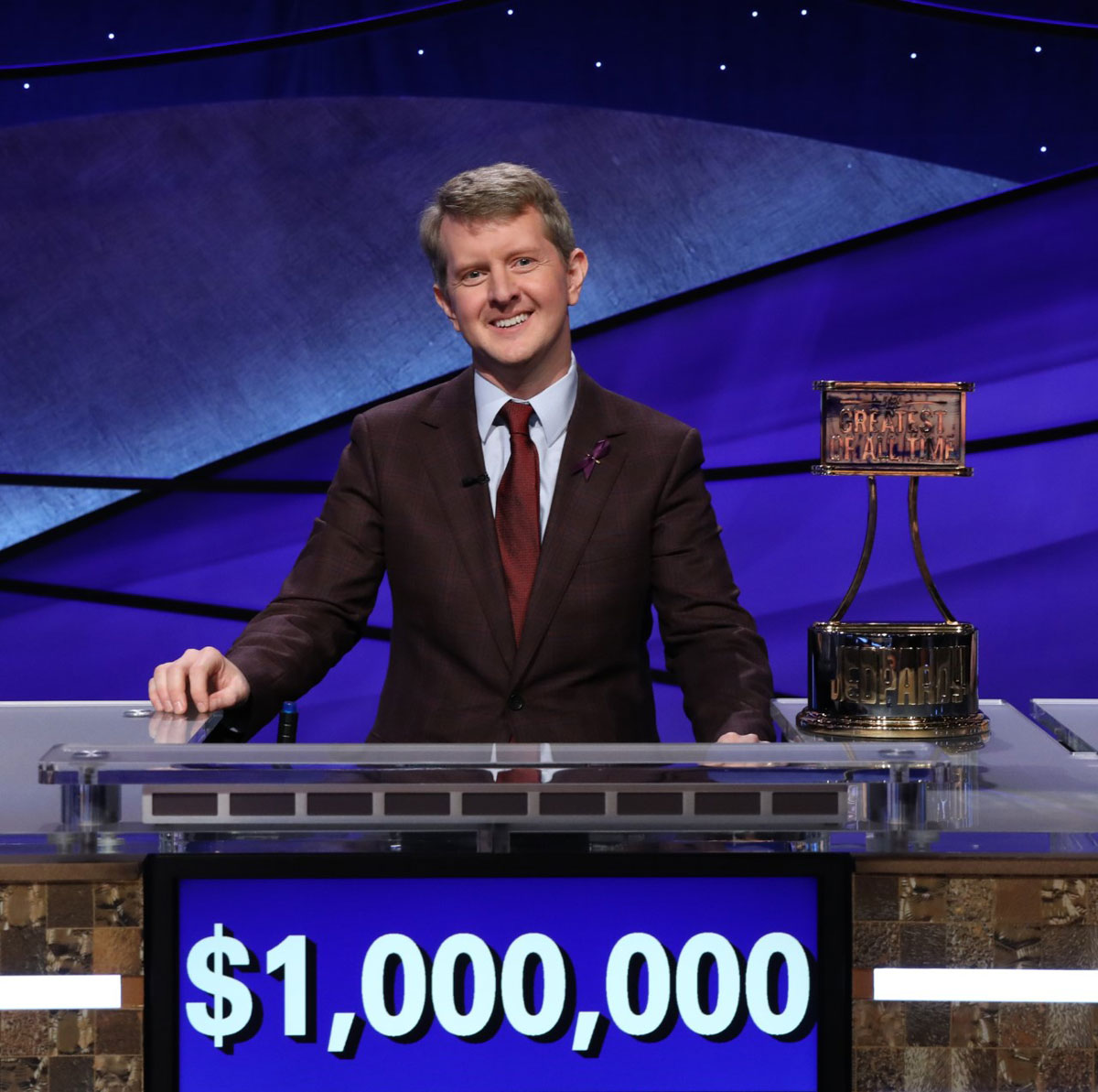
Ken Jennings has become synonymous with Jeopardy! excellence, first as the game show’s most successful contestant in history and now as its beloved host. With 74 consecutive wins under his belt and over $4.3 million in prize money, Jennings transformed from a software engineer into a trivia legend. His journey from behind the contestant podium to hosting the iconic show has given him unique insights into what separates casual viewers from serious competitors. Recently, the quiz show maestro opened up about the specific preparation methods that he believes offer the highest return on investment for anyone looking to master the art of answering in the form of a question.
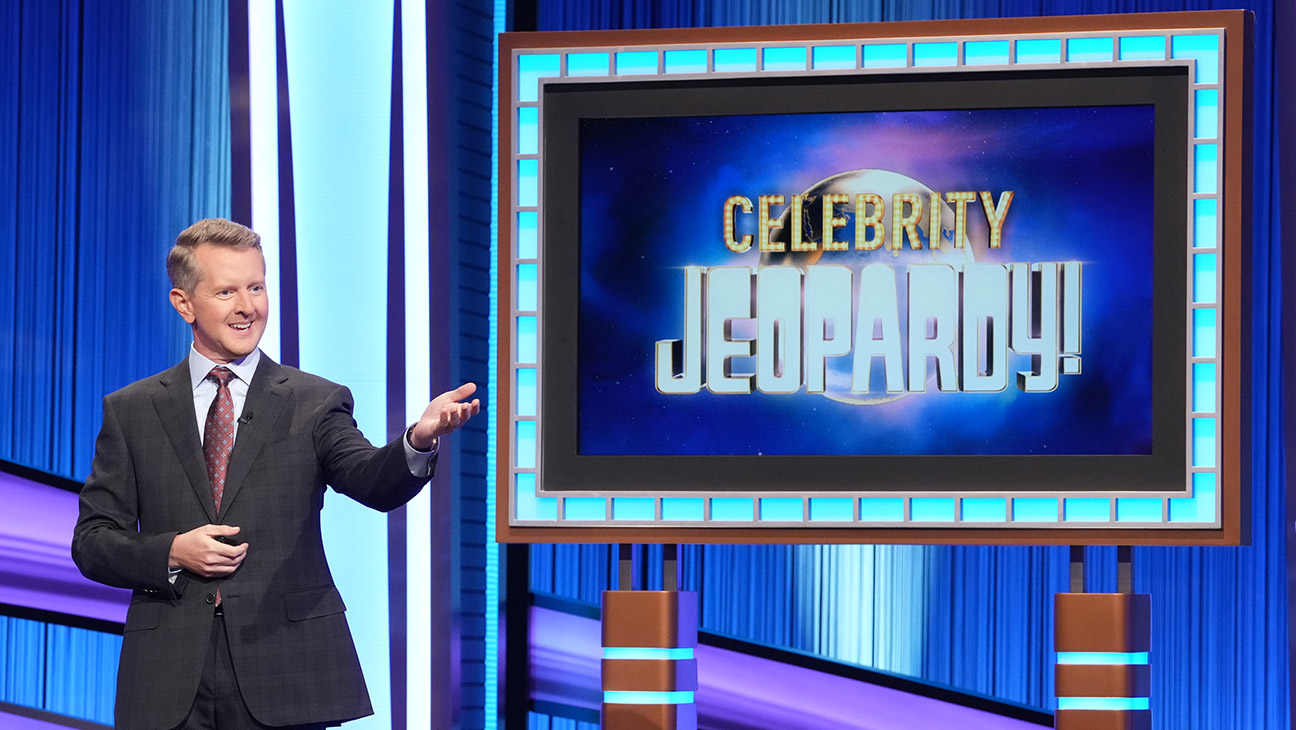
The transition from contestant to host hasn’t diminished Jennings’ competitive spirit or his analytical approach to the game. If anything, his new role has deepened his understanding of what makes contestants succeed or stumble under the bright studio lights. Watching hundreds of hopefuls tackle Daily Doubles and Final Jeopardy clues has reinforced his belief that preparation isn’t just about cramming facts - it’s about strategic studying that maximizes your mental resources. His advice comes not just from personal experience but from observing patterns among the most successful players who’ve graced the show since he took over hosting duties.
The Two-Pillar Strategy

According to Jennings, aspiring contestants should focus their energy on two specific areas that deliver maximum impact for their study time investment. The first pillar involves mastering the most frequently recurring categories and question types that appear season after season. Rather than attempting to memorize every possible fact across all human knowledge, Jennings advocates for identifying the patterns that Jeopardy! writers consistently return to when crafting clues. This approach recognizes that while the show covers an enormous breadth of topics, certain subject areas and clue structures appear with predictable regularity.

The second pillar focuses on developing rapid recall techniques specifically tailored to the show’s unique format. Jennings emphasizes that knowing information isn’t enough - contestants must be able to access that knowledge quickly while standing under pressure, often while racing against opponents who are equally well-prepared. This involves practicing not just what you know, but how quickly you can retrieve and articulate that knowledge in the proper Jeopardy! format. The combination of strategic content focus and retrieval speed training, according to Jennings, represents the most efficient path to competitive readiness for the show’s demanding pace.
Categories That Challenge Champions

Even with his legendary status, Jennings admits there are certain category types that can make any contestant break into a cold sweat. Pop culture categories, particularly those focusing on very recent trends or extremely niche fandoms, represent one of the most unpredictable challenges on the show. Unlike historical facts or scientific principles that remain constant, pop culture moves at lightning speed, making comprehensive preparation nearly impossible. Jennings has observed that even the most well-prepared contestants can find themselves stumped by categories covering the latest social media phenomena or emerging music genres.

Another category type that consistently challenges even seasoned players involves highly specialized professional jargon or technical terminology from specific industries. While contestants might have broad knowledge across many fields, the deep insider knowledge required for categories like “Legal Latin” or “Medical Terminology” can trip up even the most studious players. Jennings notes that these categories often separate the truly exceptional contestants from the merely well-prepared ones, as they require not just general knowledge but the kind of specialized expertise that comes from professional experience or incredibly focused study.