
Table of Contents
- The Passing of a Character Acting Legend
- His Memorable Role in ‘Ever After’
- A Distinguished Stage and Screen Career
- The Art of Character Acting
- Industry Remembrance and Legacy
The Passing of a Character Acting Legend
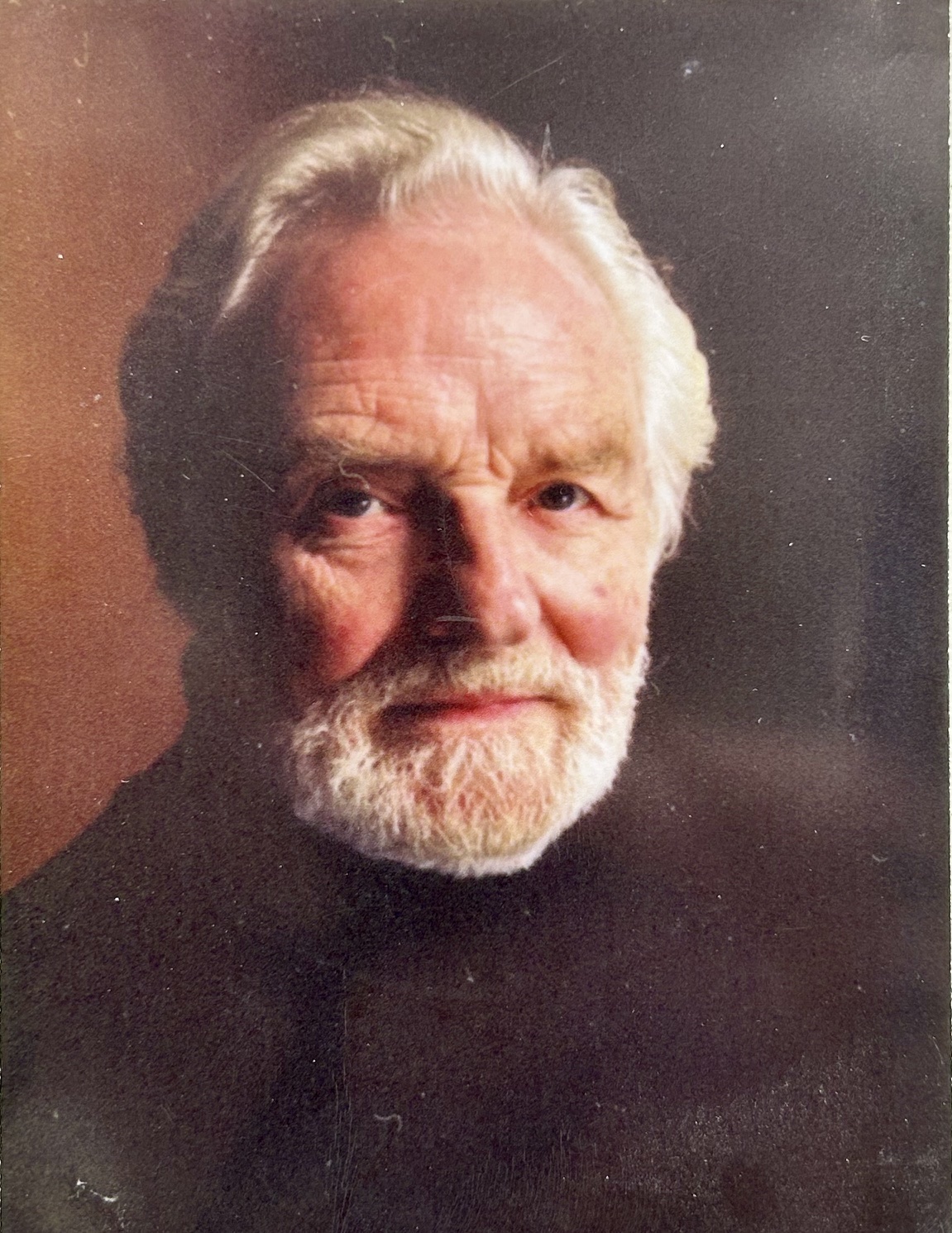
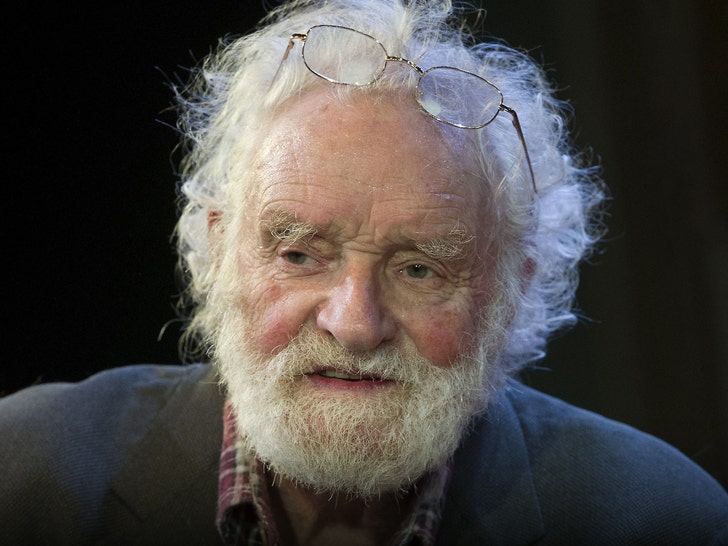
The entertainment world has lost another distinguished voice with the passing of Patrick Godfrey, the accomplished British character actor who died Thursday at the age of 93. While Godfrey may not have been a household name in the way leading men often become, his decades-long career exemplified the vital role that character actors play in bringing depth and authenticity to countless productions. His death marks the end of an era for British theater and film, where actors like Godfrey formed the backbone of the industry through their versatility, professionalism, and commitment to their craft. For many contemporary audiences, Godfrey will be best remembered for his role in the 1998 romantic fantasy film “Ever After,” where he appeared alongside Drew Barrymore in what became a beloved reimagining of the Cinderella story.
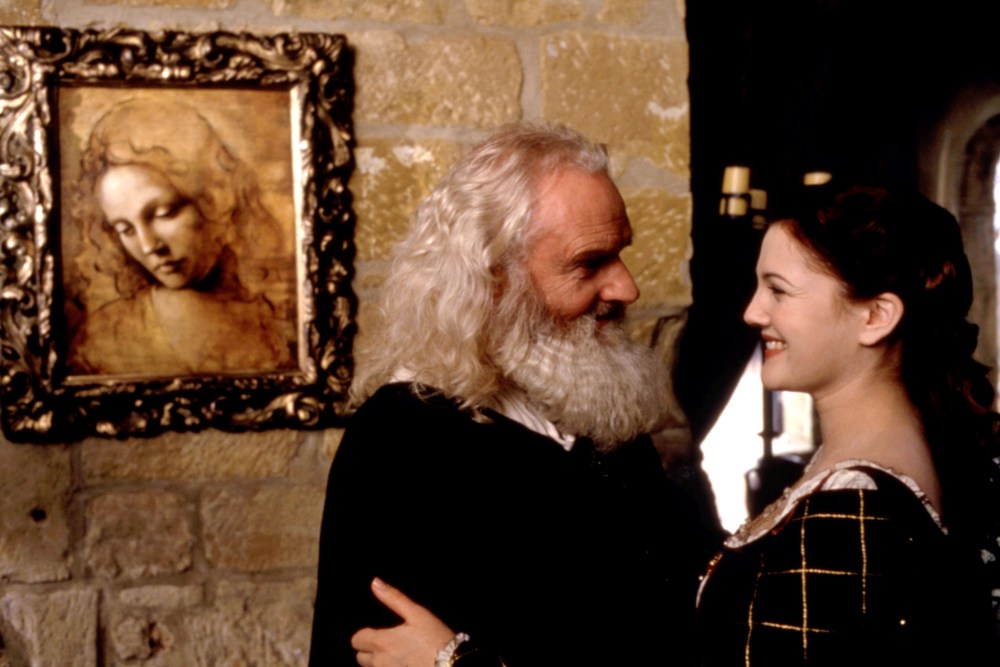
The news of Godfrey’s passing serves as a reminder of how character actors often work quietly behind the scenes, building impressive bodies of work that span generations while the spotlight typically focuses elsewhere. His career trajectory reflects the traditional path of many British actors who cut their teeth in repertory theater before transitioning to television and film work. Throughout his long career, Godfrey embodied the professionalism and dedication that has long been associated with British acting traditions, bringing the same level of commitment to smaller supporting roles as he did to more prominent parts.
His Memorable Role in ‘Ever After’
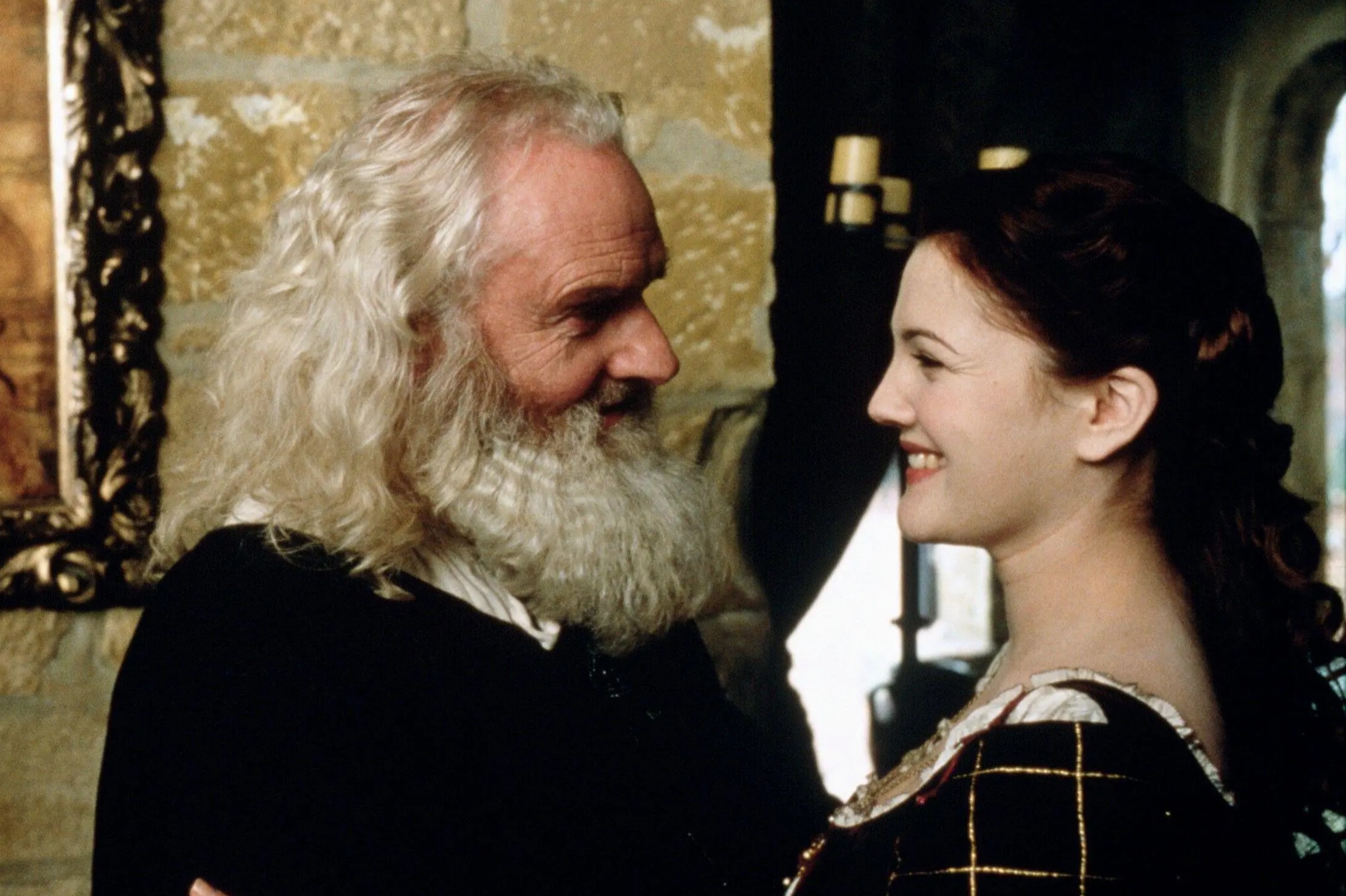
In “Ever After: A Cinderella Story,” Patrick Godfrey brought his considerable talents to bear in what would become one of his most widely seen film appearances. The movie, which starred Drew Barrymore as Danielle de Barbarac and Dougray Scott as Prince Henry, offered a fresh take on the classic fairy tale by grounding it in Renaissance-era France and removing the magical elements in favor of a more realistic approach. Godfrey’s presence in the film added the kind of gravitas and authenticity that experienced character actors bring to period pieces, helping to create the believable world that made the film resonate with audiences around the globe.
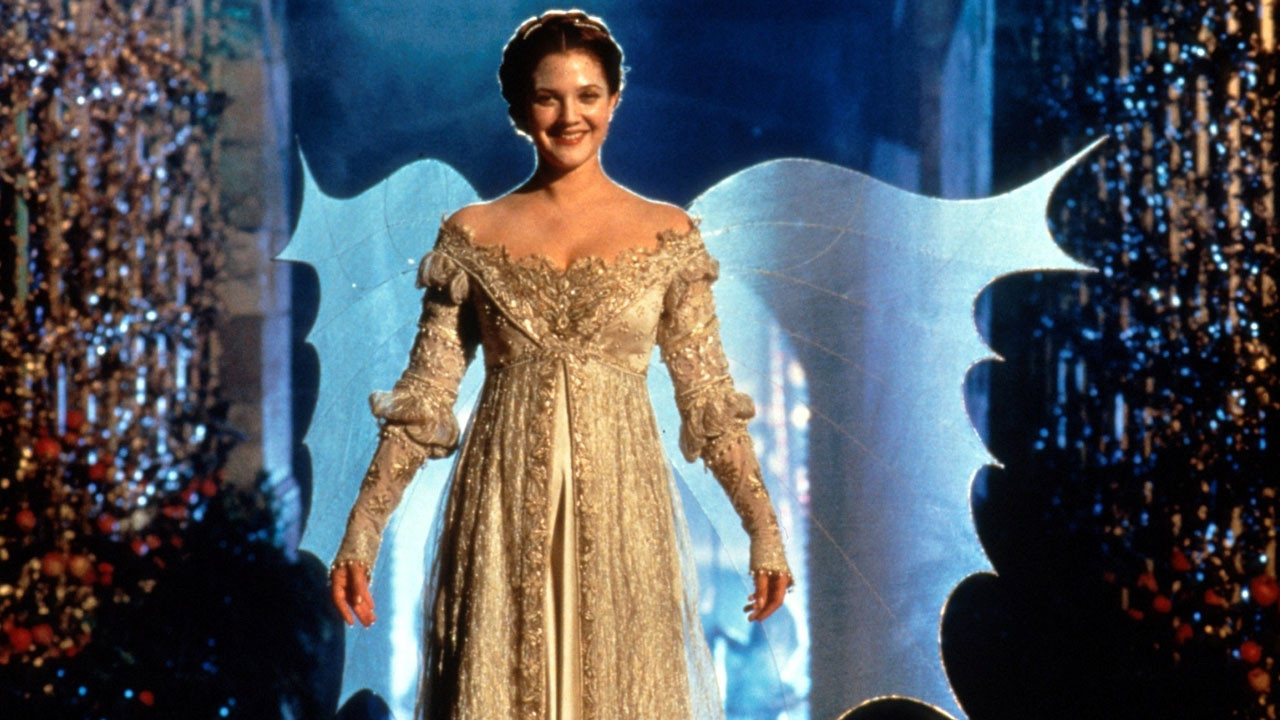
The film’s success helped introduce Godfrey to a new generation of moviegoers, particularly in America where his extensive stage work might have been less familiar to general audiences. “Ever After” became a cultural touchstone for many viewers who grew up in the late 1990s and early 2000s, representing a more empowered and independent take on the Cinderella story that reflected changing attitudes about female characters in popular entertainment. Godfrey’s contribution to this beloved film ensures that his work will continue to be discovered by new audiences for years to come, as the movie maintains its status as a family favorite and comfort viewing choice.
A Distinguished Stage and Screen Career
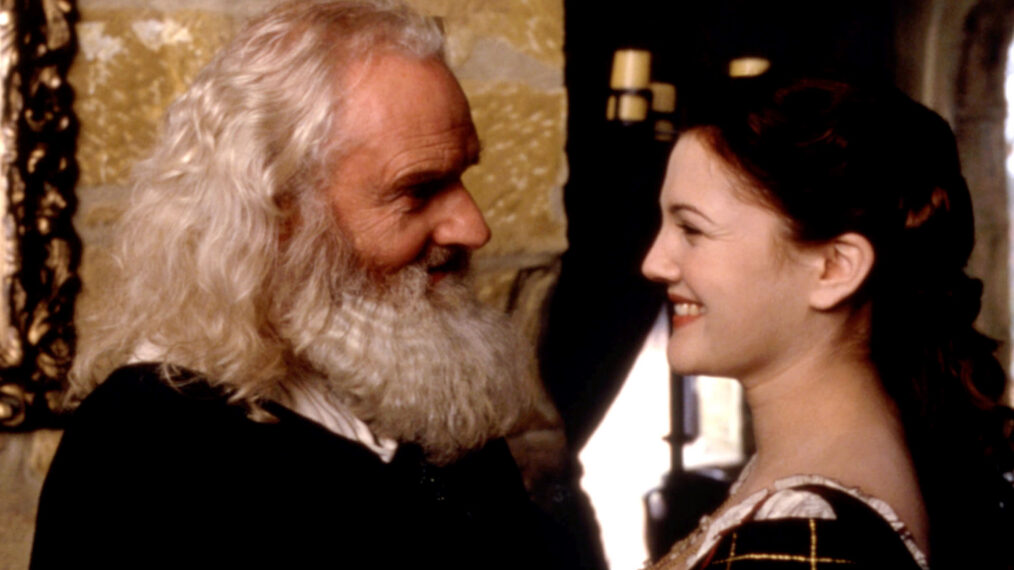
Long before his appearance in “Ever After,” Patrick Godfrey had established himself as a respected figure in British theater, where he honed the skills that would serve him throughout his career in film and television. The British theater scene has long been regarded as one of the world’s finest training grounds for actors, and Godfrey’s work in this arena provided him with the foundation of technique and versatility that character actors require. His theatrical background gave him the ability to inhabit diverse roles convincingly, switching between different character types and historical periods with the ease that comes from years of rigorous stage work.

Throughout the 1970s, 1980s, and 1990s, Godfrey appeared in numerous television productions and films, building the kind of steady, reliable career that has become increasingly rare in today’s entertainment landscape. His work spanned multiple genres and mediums, from period dramas to contemporary pieces, showcasing the range that made him a valuable addition to any production. This type of career trajectory reflects a different era in the entertainment industry, when actors could build sustainable careers through consistent work in smaller roles rather than chasing the kind of massive stardom that dominates today’s celebrity culture.