Kenny Chesney Explains to Bill Maher Why He Keeps Politics Off the Stage and Out of His Concerts
Music

Kenny Chesney Explains to Bill Maher Why He Keeps Politics Off the Stage and Out of His Concerts

Jalen RossJalen Ross··7 min read
Advertisement

Table of Contents

The Conversation That Got Everyone Talking
Kenny Chesney Explains to Bill - The Conversation That Got Everyone Talking

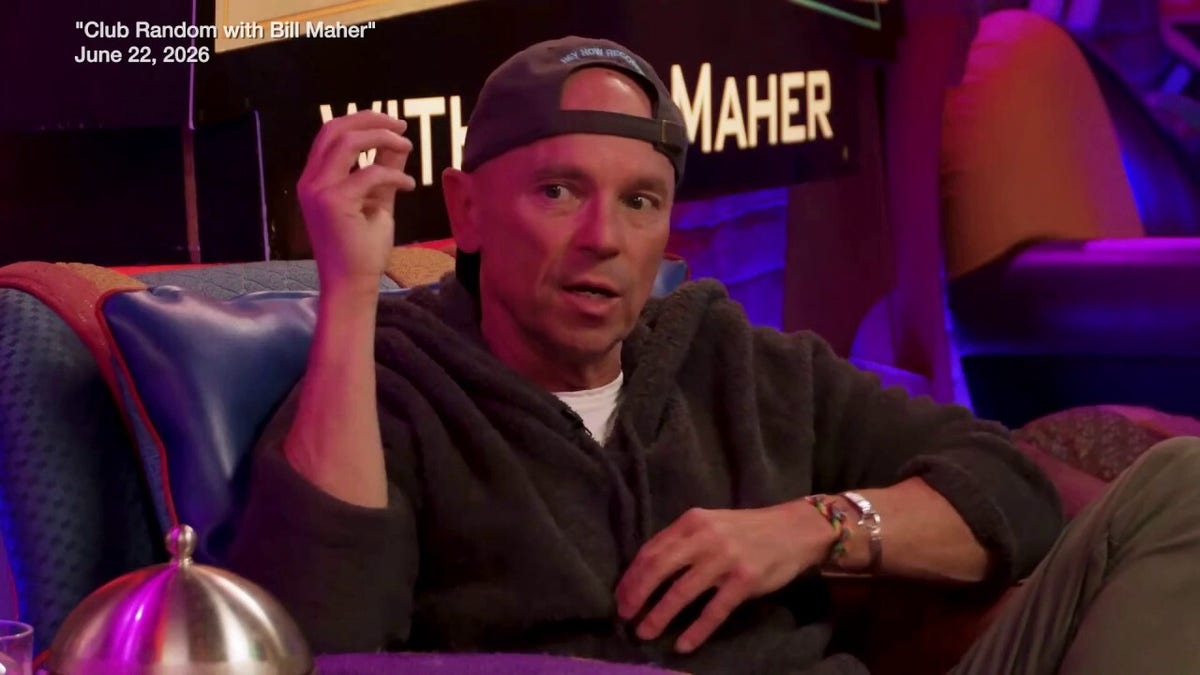
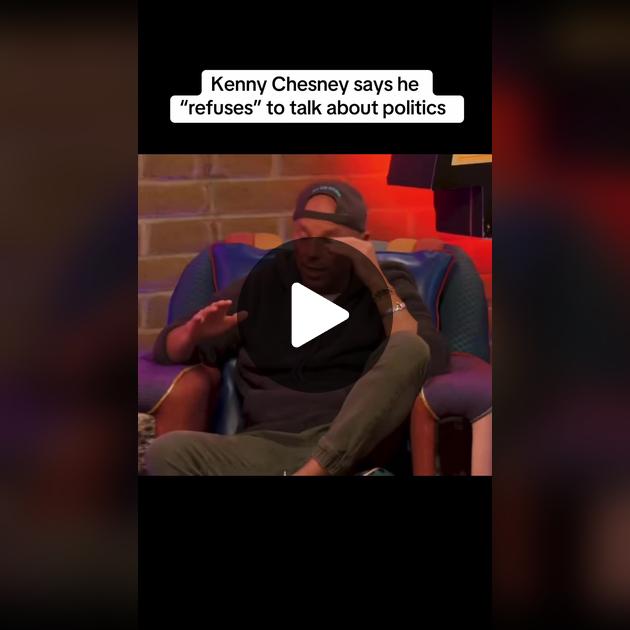
There are very few spaces in modern entertainment where nuance gets room to breathe, but a recent conversation between country music legend Kenny Chesney and HBO’s Real Time host Bill Maher managed to do exactly that. Chesney appeared on Maher’s platform and addressed one of the most debated questions in the music industry today – should artists use their influence to sway how their audiences vote? His answer was characteristically straightforward, grounded in a deep respect for his fan base rather than any partisan calculation. It was the kind of honest, unpretentious response that reminded everyone why Chesney has remained one of country music’s most enduring figures for over three decades.
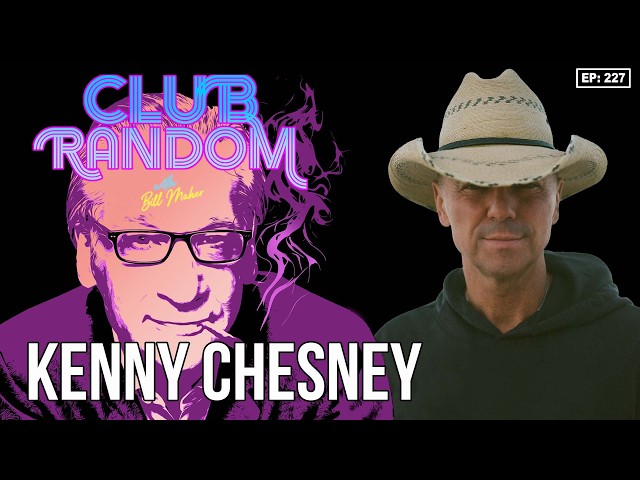
Kenny Chesney appearing on Bill Maher's Real Time on HBO
Image: YouTube

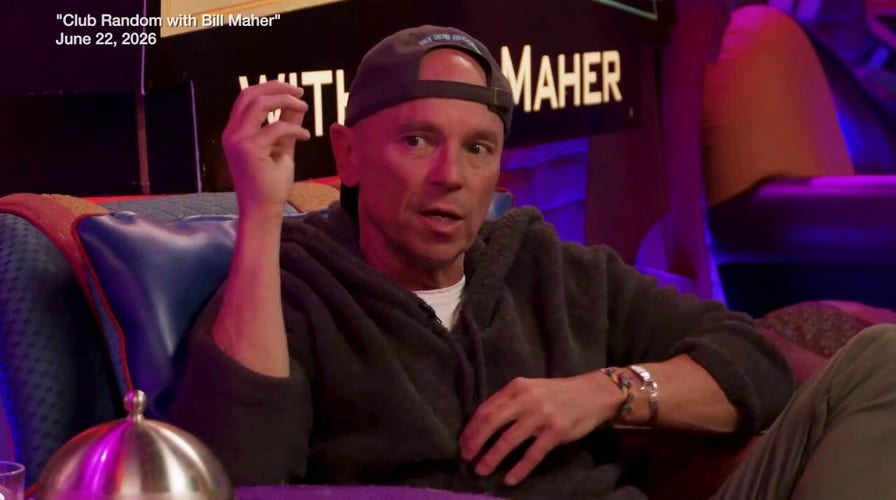
Maher, who is never one to shy away from politically charged territory, pressed Chesney on the topic in a way that only he can – direct, a little provocative, and genuinely curious. What he got back was not a dodge or a carefully rehearsed PR answer, but a sincere explanation of how Chesney views his relationship with the people who show up to his concerts. According to the country star, his fans come to his shows to get away from the noise of the world – the political arguments, the social media outrage cycles, the relentless pressure of choosing a side. The concert, in Chesney’s view, is a sanctuary. And he has no intention of turning that sanctuary into a campaign rally, regardless of where his personal beliefs may lie.

Chesney’s Philosophy: Music as Escape
Kenny Chesney Explains to Bill - Chesney's Philosophy: Music as Escape

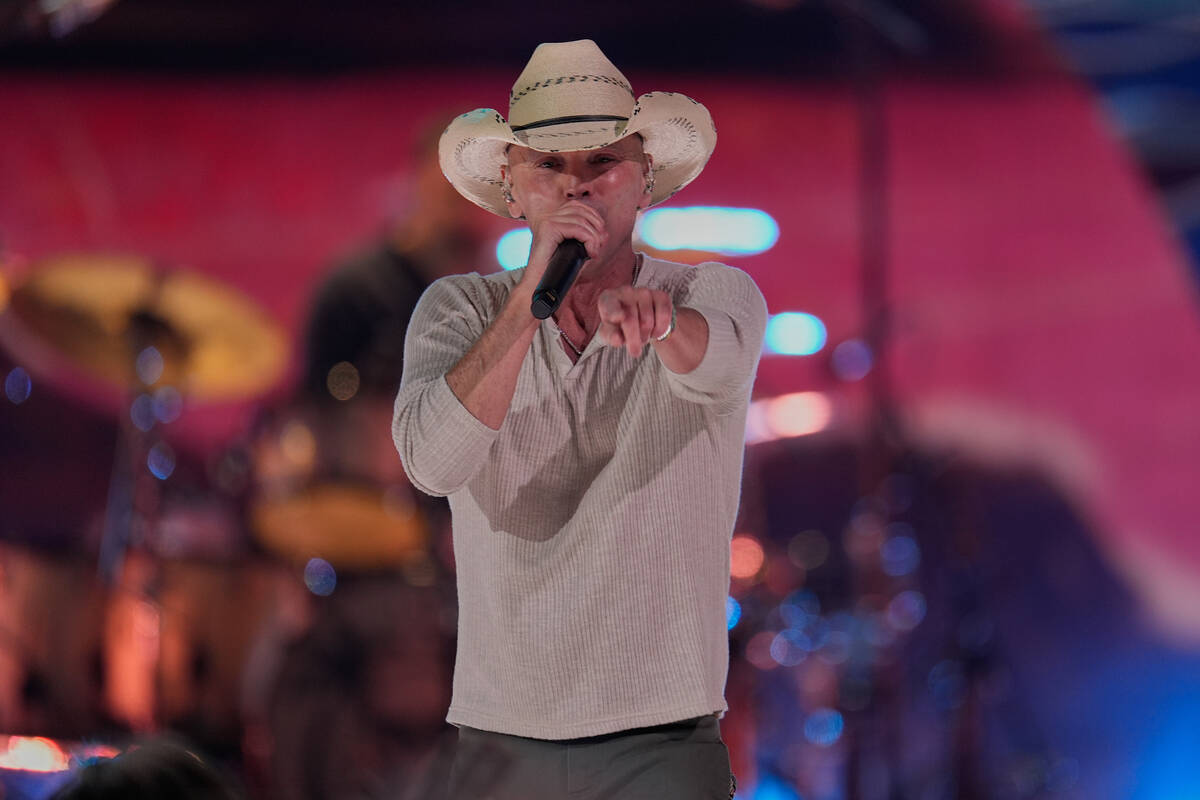
At the core of Chesney’s thinking is something refreshingly old-school about what live music is supposed to do for people. He has long positioned himself as an artist who writes about the joys and heartaches of everyday life – beach days, cold beer, summer love, loss, and resilience. His catalog is not built around political commentary or social critique; it is built around shared human experience. That has always been his lane, and he drives in it with remarkable discipline. So when he talks about protecting that space from political messaging, it does not come across as cowardice or fence-sitting. It comes across as a deeply intentional artistic and ethical choice.

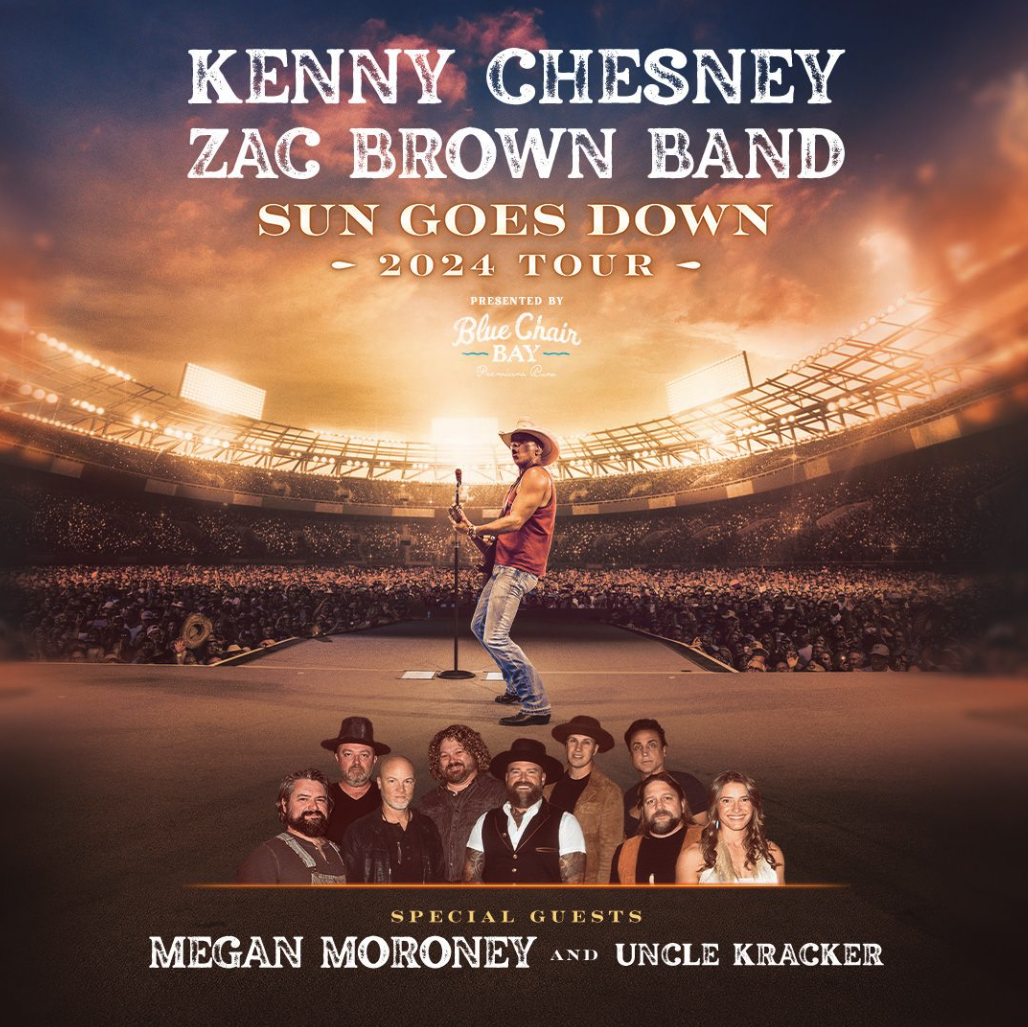
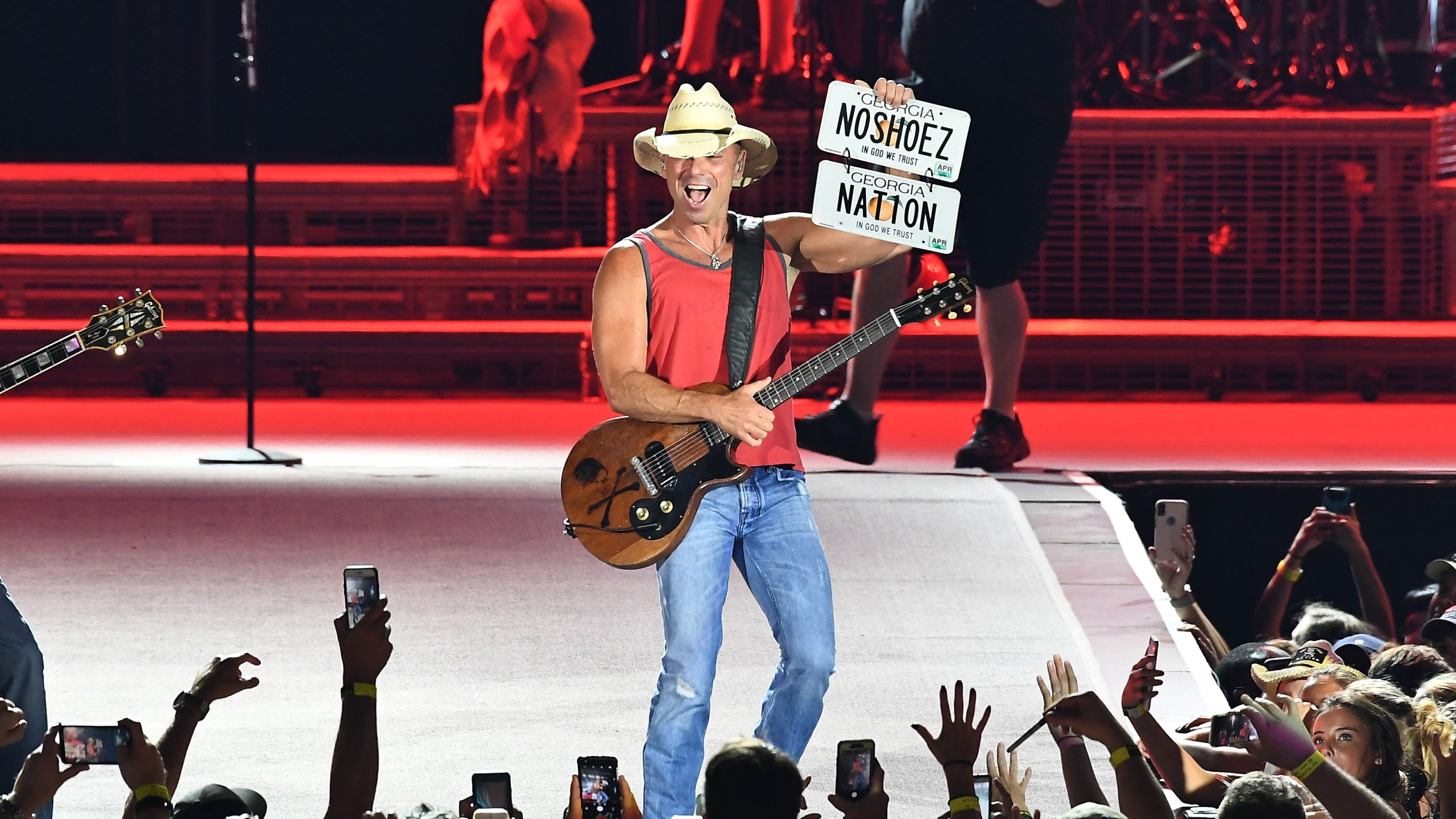
Chesney made clear during the Maher interview that he understands the enormous platform he commands. He regularly sells out NFL stadiums – which is a feat very few artists in any genre can claim – and his No Shoes Nation fan community is fiercely loyal. Telling those people how to vote, in his view, would be a misuse of the trust they have placed in him as an entertainer. The moment you step into the realm of political instruction, you stop being a musician and start being something else entirely. And for Chesney, the music has always come first. That clarity of purpose is part of what has made him so remarkably consistent over the years.

Country Music and the Politics Problem
Kenny Chesney Explains to Bill - Country Music and the Politics Problem

Country music has had a complicated, often messy relationship with politics for a very long time, and the tension has only intensified in the social media age. The most famous flashpoint in recent memory remains the Dixie Chicks controversy from 2003, when lead singer Natalie Maines made a critical comment about President George W. Bush during a London concert and the group faced a devastating industry backlash. That moment sent a chilling message through Nashville that political speech came with real professional consequences, particularly when it ran against the perceived values of the country music audience. The scars from that episode have never fully healed, and many artists have since chosen strategic silence as their default position.
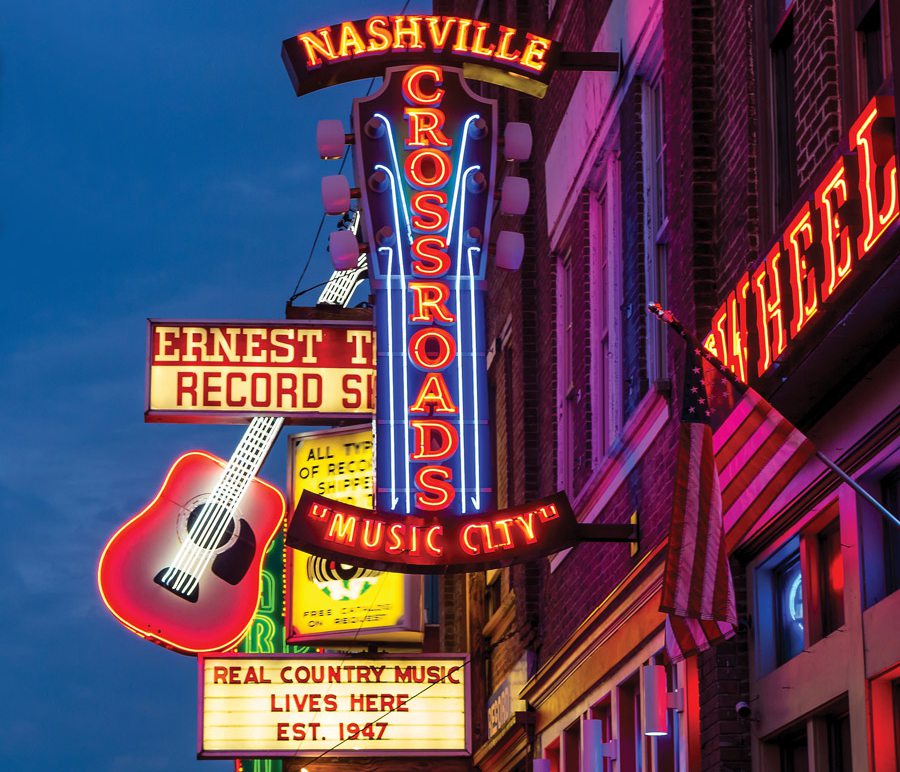
Nashville country music scene and entertainment district
Image: 417 Magazine

On the other side of the debate, artists like Taylor Swift – who famously spent years avoiding political commentary before eventually endorsing candidates and encouraging voter registration – have shown that a shift toward engagement can be done without destroying a career. But Swift’s situation was uniquely complex, and her audience is substantially different from the core country demographic that Chesney speaks to. Other artists, from Garth Brooks to Chris Stapleton, have navigated the question in their own ways, sometimes speaking broadly about values without endorsing specific candidates or parties. The industry has never settled on a clean answer, which is part of why Chesney’s candid reasoning on Maher’s show resonated so strongly.
Advertisement

A Career Built on Connection, Not Division

Kenny Chesney Explains to Bill - A Career Built on Connection, Not Division

Kenny Chesney’s rise from a small-town kid in Luttrell, Tennessee, to one of the best-selling country artists of all time is a story rooted in authenticity and hard work. He signed with BNA Records in the early 1990s and spent years grinding through the Nashville system before his 1994 debut album In My Wildest Dreams gave him a foothold in the industry. From there, his growth was steady and then explosive, with albums like No Shoes, No Shirt, No Problems, When the Sun Goes Down, and The Road and the Radio cementing him as a genuine superstar. By the mid-2000s, he was regularly topping country charts and selling out arenas, and he has barely slowed down since.

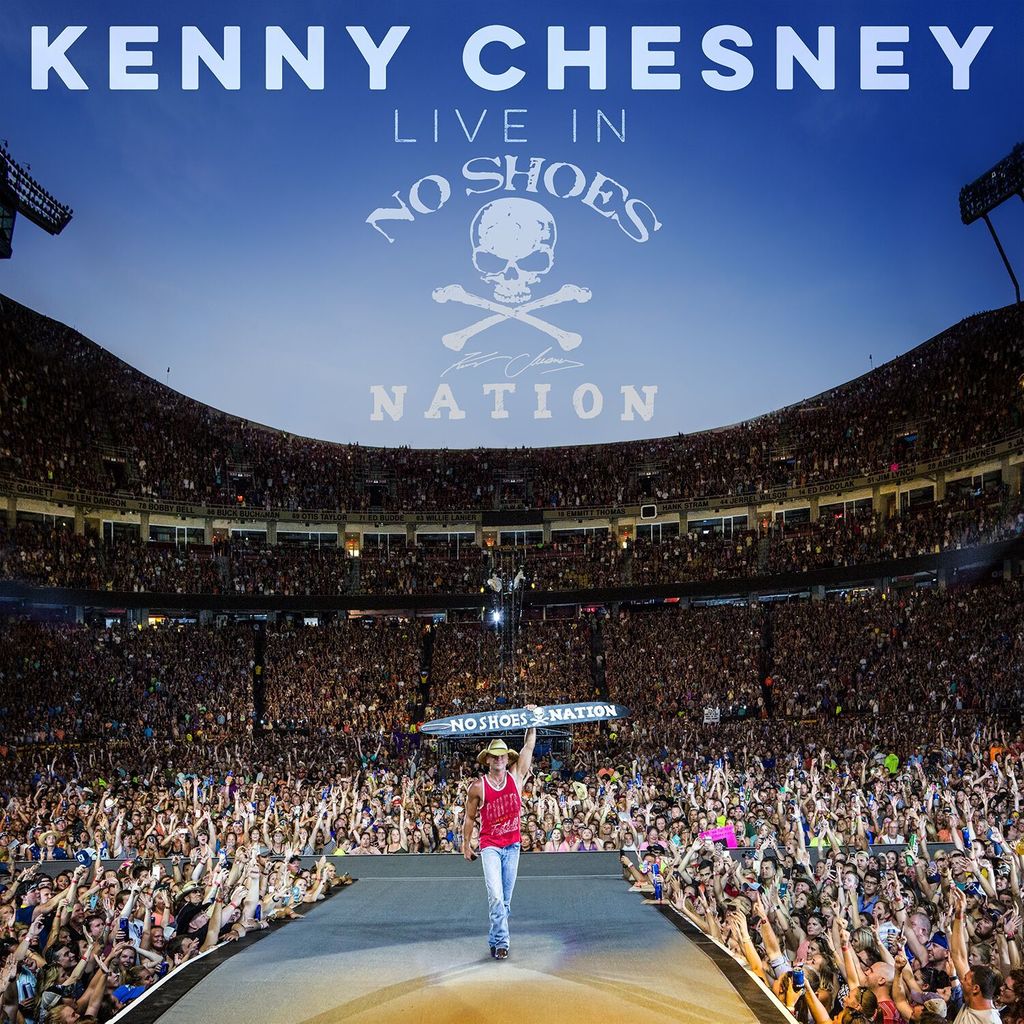
Kenny Chesney No Shoes Nation fan community at concert
Image: Kenny Chesney

What makes Chesney’s career particularly instructive in this context is that his success was never driven by controversy or cultural conflict – it was driven by the feeling his music creates. His concerts are famously celebratory events, closer to a beach party than a typical arena show. He has talked extensively in past interviews about wanting every person in that audience to feel like they belong, regardless of where they come from or what they believe. That inclusive energy is not accidental; it is the product of a deliberate artistic vision that he has maintained across his entire career. Introducing partisan political messaging into that environment would fundamentally alter what he has spent thirty-plus years building.

What Fans and Critics Are Saying

Kenny Chesney Explains to Bill - What Fans and Critics Are Saying

Reaction to Chesney’s comments has been largely positive across the board, which itself says something interesting about the current cultural moment. In an era when nearly every public figure is expected to declare allegiances and take sides, there is clearly an audience – and a significant one – for artists who choose a different path. Many of Chesney’s fans responded warmly to his explanation, expressing appreciation that he views his concerts as a shared space rather than a political podium. Comments across social media reflected a genuine sense of gratitude from listeners who said they attend his shows precisely because they want a break from the political saturation of daily life.

Even some critics who might typically push for more political engagement from high-profile artists acknowledged the internal consistency of Chesney’s reasoning. His argument is not that politics do not matter – it is that the concert hall is not the right venue for that conversation, and that his role as an entertainer is to serve his audience rather than lecture them. That distinction is worth making clearly, because it separates his position from simple apathy or willful ignorance. Chesney has never claimed the issues facing the country are unimportant; he has simply argued that his platform was not built for that purpose, and he respects his fans enough not to weaponize it.

The Bigger Picture for Artists in 2025

Chesney’s conversation with Maher arrives at a moment when the question of celebrity political influence is being examined more critically than ever. The 2024 US election cycle saw enormous amounts of discourse around whether celebrity endorsements actually move the needle with voters, and the evidence suggests the answer is more complicated than either side wants to admit. Some artists feel a moral obligation to use their reach for political purposes; others, like Chesney, believe that obligation is better discharged in other ways – through community engagement, charitable work, and simply creating art that brings people together. Neither position is inherently wrong, and the most honest answer is probably that different artists operate in different contexts with different audiences and different responsibilities.

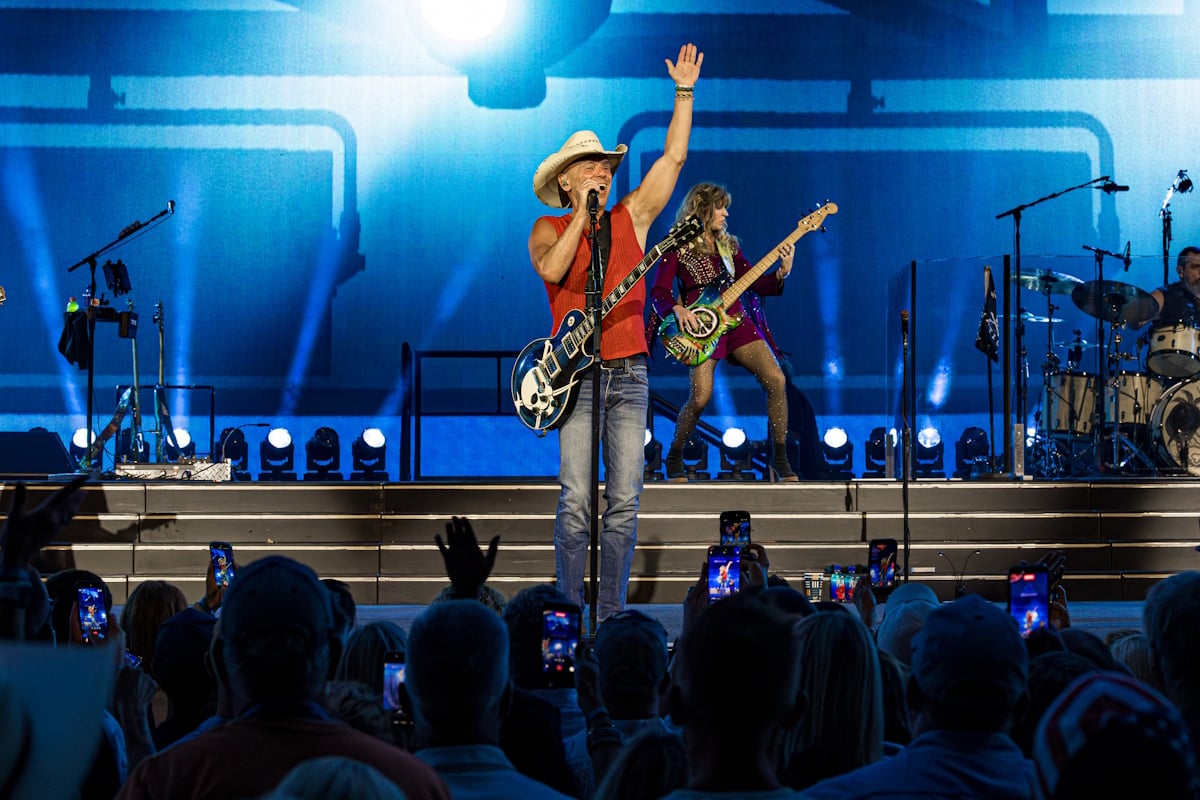
Kenny Chesney touring performing 2024 2025
Image: Kenny Chesney

What Chesney’s remarks ultimately remind us is that there is real value in preserving spaces where people do not have to choose a team. As the entertainment industry continues to grapple with questions about the responsibility of influence, his approach offers a useful counterpoint to the idea that silence equals complicity. Music, at its best, has always had the power to make strangers feel like family – and that power is not something to be traded away lightly. For Chesney, keeping politics off the stage is not about avoiding the hard conversations; it is about protecting something rare and genuinely precious in a world that is increasingly short on common ground. And honestly, it is hard to argue with the results.

Advertisement
Share
Get the recap

Loved this story? Get more like it.

Join readers who get our weekly entertainment recap - the stories worth your time, delivered every Friday.

No spam. Unsubscribe anytime. By signing up you agree to our Privacy Policy.

Kenny Chesney Explains to Bill M... | Sidomex Entertainment