
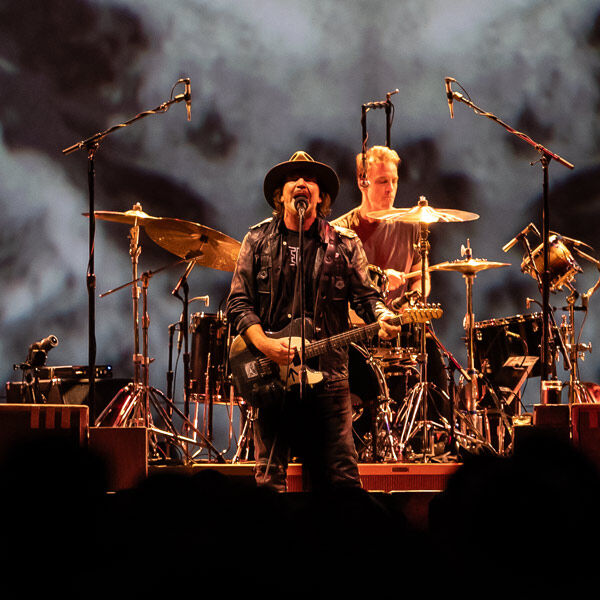
Thirteen million copies sold in the United States alone. A debut album that outlived the genre that birthed it, a band still selling out arenas in its fourth decade, and a Rock and Roll Hall of Fame induction in the first year the group was even eligible. Pearl Jam’s numbers read like the résumé of a machine built to win. Yet the man who ran the business side of that machine for three decades has barely left a fingerprint on the public imagination. Most fans could name the band’s drummers more easily than they could name its manager.
That manager is Kelly Curtis, and the quiet of his profile is not an accident. It is the whole point. In an industry that rewards loud, Curtis built a career on being the person who absorbed the chaos so the artists never had to perform it. His story is less a tale of one lucky break than a long education in a craft that rarely gets credit when it works and always gets blamed when it does not.
The Seattle Scene and a Manager’s Apprenticeship
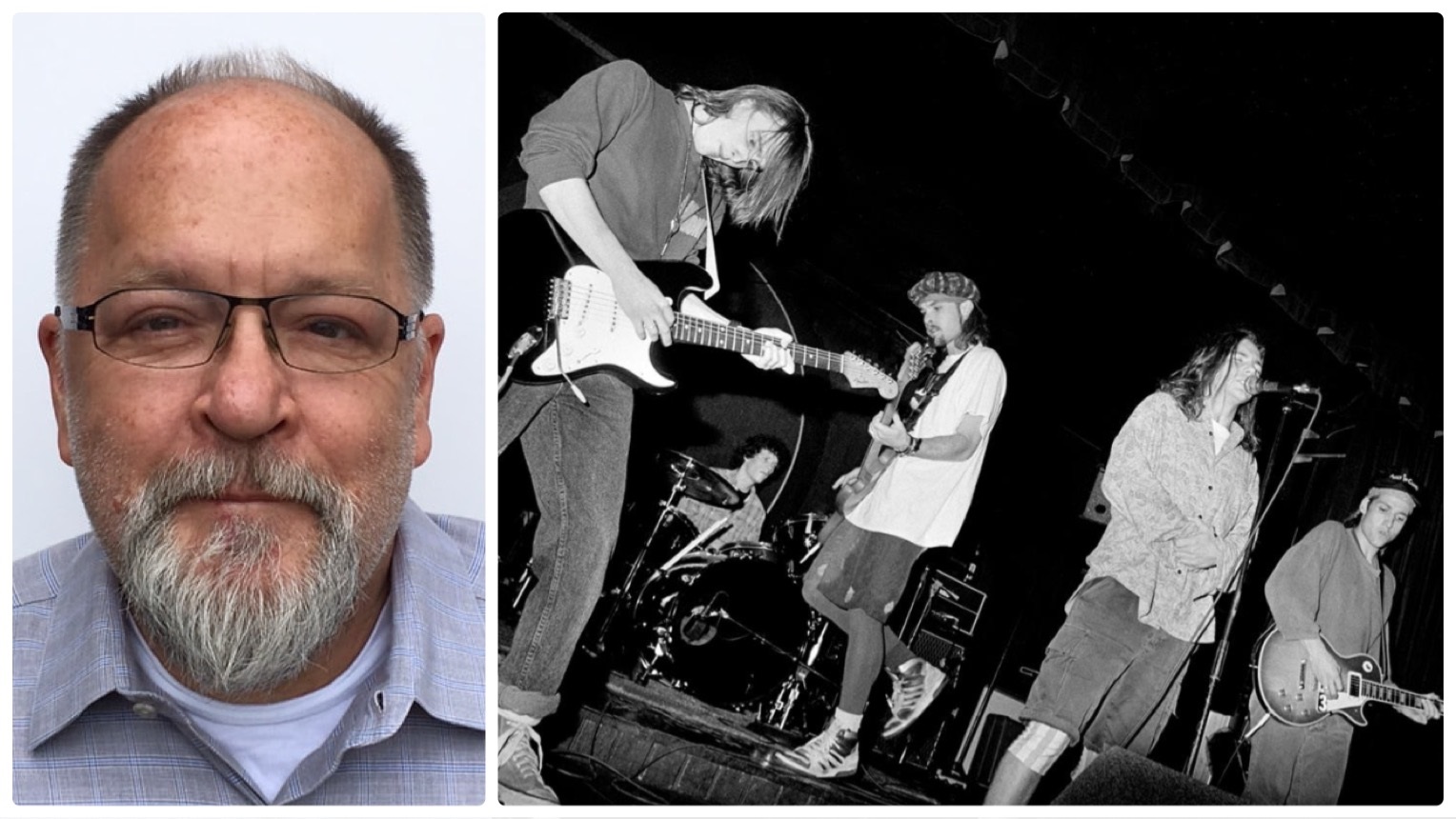
Curtis did not stumble into music. He was raised inside it. His father, Mark Curtis, was a Las Vegas entertainment publicist, and the younger Curtis grew up watching the likes of Frank Sinatra and Sammy Davis Jr. work a room. That upbringing mattered. Before he ever booked a club show, he had already absorbed how performers carry pressure and how the people around them either steady or sink them.
His real apprenticeship came through Heart. In grade school he had befriended Ann and Nancy Wilson, the sisters who would become the band’s principals, and the three of them attended the Beatles’ 1966 concert at the Seattle Center Coliseum together. By his early twenties Curtis was a roadie for Heart, then its road manager and publicist across roughly 1976 to 1983. Touring is the least glamorous schooling in the business and the most thorough. You learn logistics, you learn how to keep a crew fed and a singer rested, and you learn that the difference between a good night and a disaster is usually invisible to the audience.
He kept widening the lens. From 1983 to 1985 he tour-managed the Japanese metal band Loudness, a job that taught a man how to run a show across language barriers and unfamiliar markets. By the time he settled back into Seattle’s club world later in the decade, Curtis had done nearly every job that surrounds an artist except the one that would define him. The city he returned to was about to become the center of rock music, and he was standing in exactly the right doorway.
From Mother Love Bone Tragedy to Pearl Jam
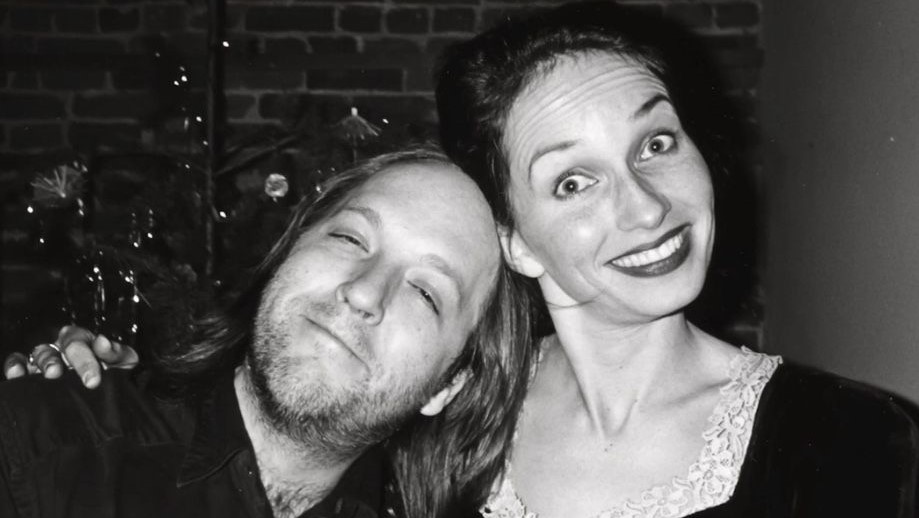
In the summer of 1988, while working at a Seattle events company, Curtis began managing a local band called Mother Love Bone. The group was fronted by Andrew Wood, a magnetic singer, and powered by two musicians whose names would soon mean a great deal: guitarist Stone Gossard and bassist Jeff Ament. Mother Love Bone was the band that was supposed to break Seattle open. It had a major-label deal and an album, “Apple,” ready for release.
Then, on March 16, 1990, Wood was found unresponsive at his home after a heroin overdose. He was twenty-four. Three days later, on March 19, he was taken off life support. The album that was meant to launch a career instead became a memorial.
For a manager, there is no manual for this. Curtis had lost an artist, a friend, and the band he had bet on, all at once. What he did next is the part worth studying. He did not vanish, and he did not push the surviving musicians to repackage their grief for a quick second act. Gossard and Ament eventually began rehearsing with a new guitarist, Mike McCready. A demo found its way to a surfer in San Diego named Eddie Vedder, who recorded vocals over the instrumentals and mailed them back. By the time the new group settled on the name Pearl Jam and Curtis had used relationships built during the Mother Love Bone years to sign them to Epic Records, a tragedy had quietly become a foundation. Before Pearl Jam’s debut, the same circle of musicians also recorded Temple of the Dog, a 1991 tribute to Wood that now reads as the emotional bridge between the band that ended and the one that began.
Building a Band That Refused the Usual Machine

Pearl Jam’s debut album, “Ten,” arrived on August 27, 1991. It did not explode immediately, but when it caught, it caught completely. The record has since sold 13 million copies in the United States and more than 17 million worldwide, making it one of the best-selling rock albums ever pressed. Singles like “Jeremy,” “Alive,” and “Even Flow” turned four relative unknowns into one of the biggest acts on the planet inside eighteen months.
Here is where most management stories become predictable. The standard play, when a band breaks this big this fast, is to flood the market. More videos, more singles, more magazine covers, more touring, more merchandise, until the audience is saturated and the band is exhausted. Curtis steered the opposite way. He helped Pearl Jam navigate its mainstream breakthrough without letting the breakthrough rewrite who the band was. The group famously pulled back from making music videos at the height of MTV’s power, declined the relentless press cycle, and kept its center of gravity in Seattle rather than relocating to the industry’s coastal capitals.
That restraint looked like commercial self-sabotage at the time. In hindsight it was the strategy that gave Pearl Jam a thirty-year career instead of a five-year flameout. A manager who chases every available dollar in year two often has no client left by year six. Curtis was playing a longer game, and the band trusted him to play it.
The Ticketmaster War and What It Cost

The most public chapter of Curtis’s tenure was a fight the band could not win, waged over a principle it would not drop. In the spring of 1994, Pearl Jam took aim at Ticketmaster, arguing that the company held what amounted to a monopoly over concert ticket distribution and used that grip to pile high service fees onto fans while locking artists out of venues that would not play along.
On May 6, 1994, the band filed a memorandum with the Antitrust Division of the U.S. Department of Justice. Bassist Jeff Ament and guitarist Stone Gossard testified before a congressional hearing on June 30, 1994, an extraordinary thing for a rock band at the peak of its fame to do. Rather than route its tours through Ticketmaster-controlled buildings, Pearl Jam tried to mount shows through alternative outlets in out-of-the-way venues, soccer fields, fairgrounds, and state parks in towns far from the usual circuit.