
A song can hold a thing that paper cannot. Long before a single law was written down or a single date entered a calendar, melody was already doing the work of memory, carrying news across distances, keeping a record of joy and grief that no archive could match. That is the quiet miracle running underneath the music most of the planet now dances to. The grooves on your favorite playlist, the call-and-response that makes a chorus feel like a conversation, the bend of a note that lands somewhere between a cry and a shout, all of it traces back to people who turned sound into a vessel for everything they were not allowed to put anywhere else.
Juneteenth sits at the heart of that story. It is, at its core, a celebration of freedom and the music that freedom set loose. To understand why the date matters to the soundtrack of the modern world, you have to follow the river backward, from the festival stages of today all the way to the field and the church, and then across the Atlantic to where the rhythms first began.
What Juneteenth Marks
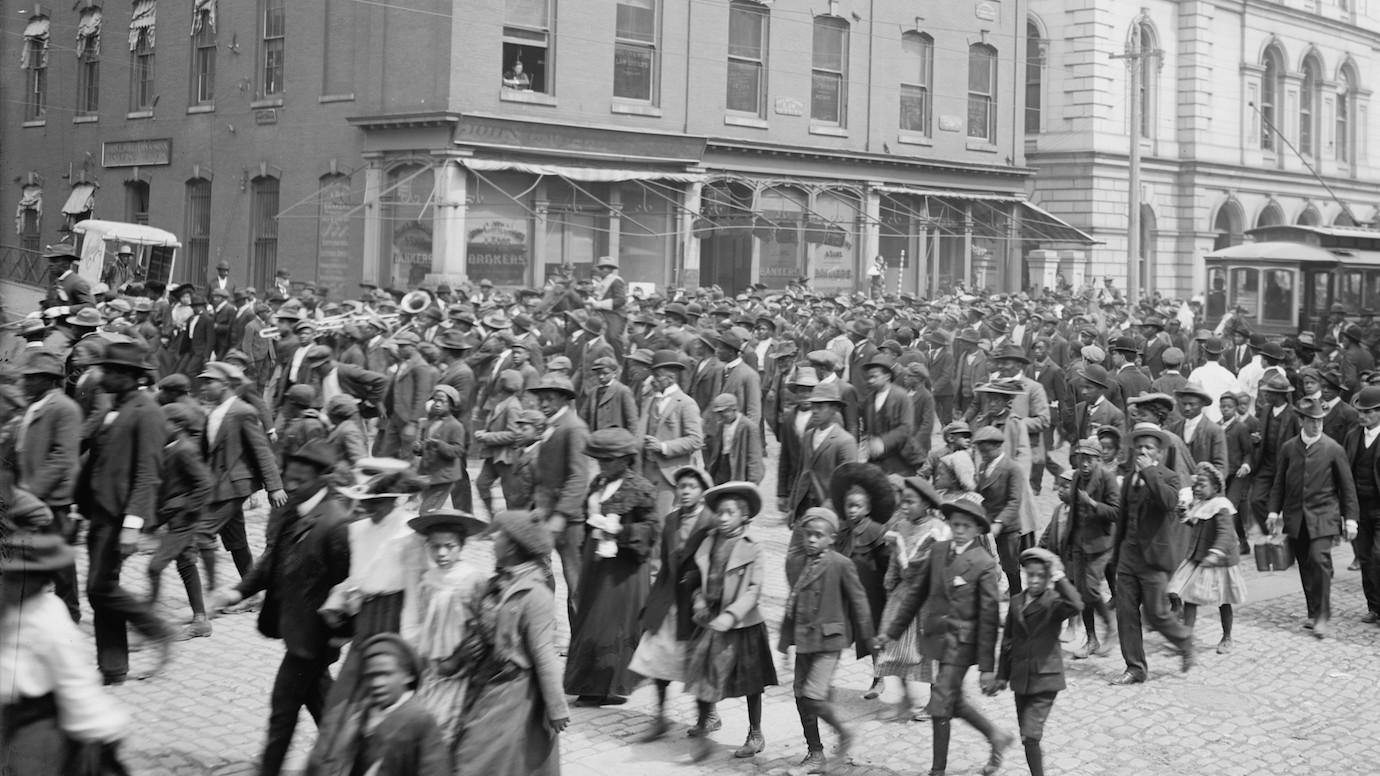
The facts are plain and worth stating clearly. On June 19, 1865, Union forces arrived in Galveston, Texas, and announced that enslaved people in the state were free. The Emancipation Proclamation had been issued two and a half years earlier, taking effect on January 1, 1863, but Texas had remained beyond the reach of its enforcement, isolated from much of the Civil War. So the news came late, and when it finally arrived in Galveston, it freed roughly a quarter of a million people in a single day.
That delayed, hard-won moment of freedom became Juneteenth. For more than a century it was observed largely in Texas and within Black communities across the country, marked with food, prayer, gatherings, and above all music. In June 2021, it was signed into law as a federal holiday in the United States, giving national recognition to a celebration that had been kept alive by generations who never waited for permission to remember. Strip away the legislation and the dates, though, and what remains is the thing that mattered most all along, the human impulse to gather and to sound out, together, the feeling of being free.
The Spirituals and the Seed
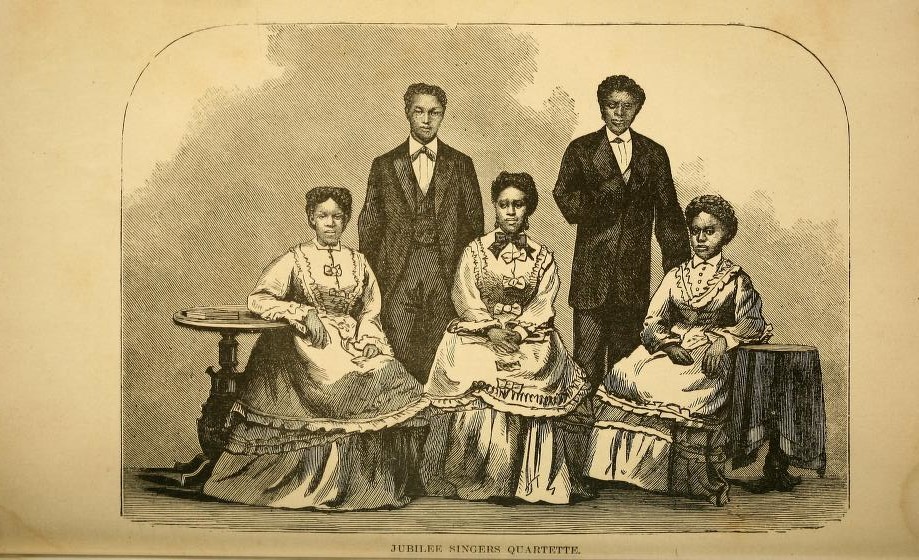
Before there was a holiday, there were the spirituals. On plantations across the American South, enslaved Africans and their descendants created a body of song that has few equals in human history. Out of the field holler, the work chant, and the religious meeting came music that could carry doubled meanings, that could comfort and signal and pray all at once. A spiritual could be a hymn on the surface and a map underneath, a melody of patience that also coded the longing for escape.
What makes these songs the seed of everything that followed is not only what they said but how they were built. The call-and-response structure, in which a lead voice throws out a line and a gathered group answers it back, was carried directly from West and Central African musical traditions. So was the layering of rhythm, the bending of pitch, the use of the voice as a percussive and emotional instrument rather than a polite one. These were not borrowed techniques. They were retained inheritances, kept alive through a system designed to erase them, and they would become the structural DNA of nearly every Black American genre to come.
The Blues and the Testimony
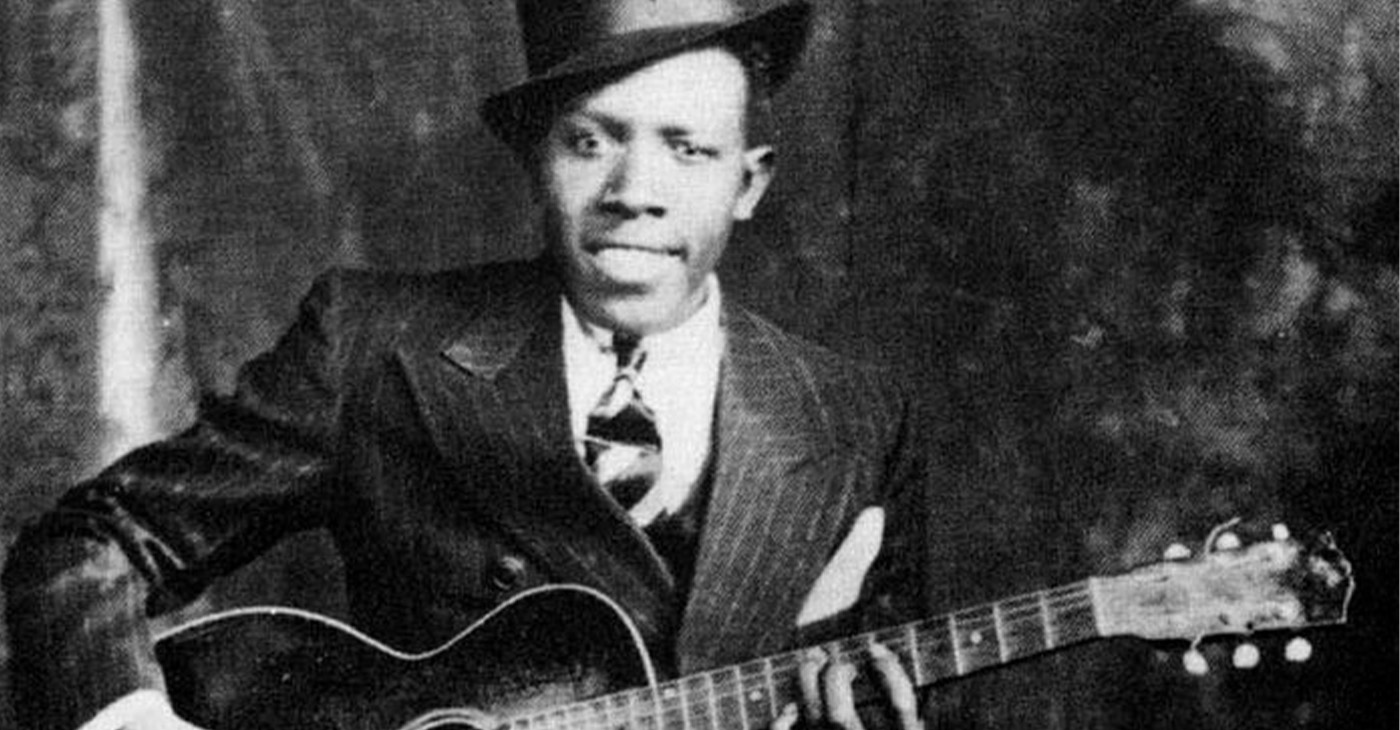
When emancipation came and the formal chains fell away, the conditions of life for many remained brutal. Sharecroppers worked the same land under crushing debt, and out of that landscape, particularly in the Mississippi Delta in the late 1800s, a new music took shape. The blues fused the spiritual, the work song, and the field holler into something startlingly personal. Where the spiritual spoke for a congregation, the blues spoke for one person standing alone, telling the truth of a single life.
The Delta became its crucible, and figures like Robert Johnson turned the form into something mythic. His recordings, made in the 1930s, captured a guitar that seemed to answer his own voice, the instrument and the singer trading lines in the same call-and-response logic the spirituals had carried out of Africa. The blues was testimony, a public accounting of private pain and stubborn endurance, and it became the foundation that rock and roll, soul, and so much else would be built directly on top of. You cannot understand the music of the twentieth century without it.
Jazz and the Freedom Principle
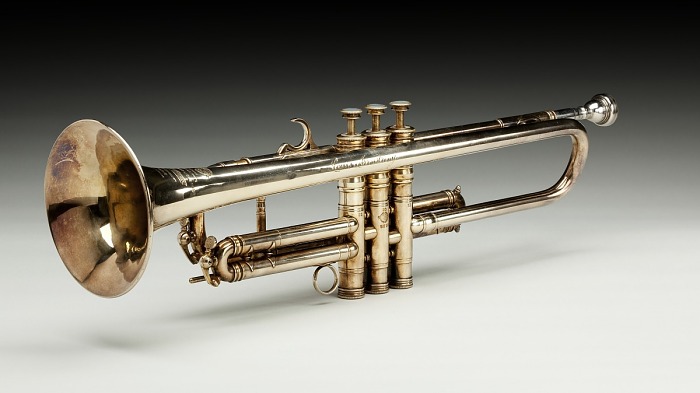
In New Orleans, a different branch of the same tree began to grow. Jazz emerged from a city where African rhythm, brass-band tradition, blues feeling, and ragtime collided, and it took the world by storm. Often described as America’s classical music, it carried something that felt like the very principle of freedom built into its form, the improvised solo, the moment when a single player steps out of the arrangement to speak in their own voice before folding back into the whole.
Louis Armstrong gave that voice its first towering individual, a trumpet and a vocal style that taught the world how a single performer could bend a song around their own personality. Duke Ellington took the music in the other direction, composing for the orchestra with the ambition of a symphonist while never losing the swing and the blues at its center. Between them they showed that this music could be both deeply personal and grandly architectural, and that the tension between the soloist and the ensemble was its own kind of liberty, the right to be an individual within a community.
Gospel and Soul
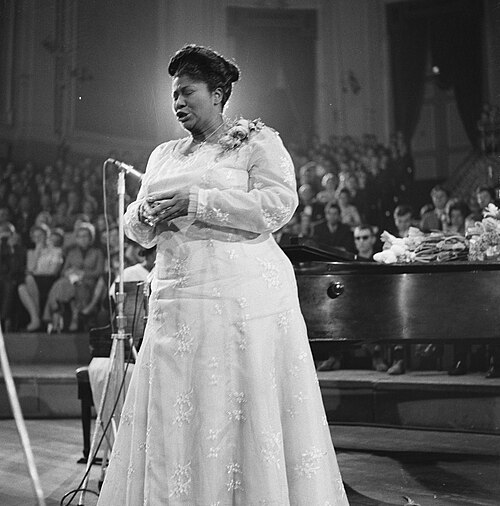
The church never left the picture. In the 1930s, a former blues musician named Thomas A. Dorsey did something quietly revolutionary, bringing the rhythm and emotional grit of the blues into sacred music and helping to birth modern gospel. He wrote thousands of songs, including the beloved “Take My Hand, Precious Lord,” and gave the gospel sound its blueprint. Mahalia Jackson became its most powerful voice, a singer of such force that she performed alongside jazz titans like Duke Ellington and Louis Armstrong while remaining rooted in the sanctuary.