
Table of Contents
- The Mountain Boy Who Took Over the Court
- How Sinner Actually Plays the Game
- The Sinner-Alcaraz Rivalry Tennis Didn’t Know It Needed
- Fame Without the Fanfare: Sinner’s Private World
- The Doping Controversy That Followed Him to the Top
- What Jannik Sinner Actually Means for the Future of Tennis
The Mountain Boy Who Took Over the Court

There is something almost cinematic about how Jannik Sinner arrived at the top of professional tennis. Born on August 16, 2001, in San Candido - a small town in the Italian Alps near the Austrian border - Sinner grew up skiing before he ever picked up a racket seriously. His parents ran a restaurant, and the mountains were his first playground. He was a talented enough skier to have pursued it professionally, but somewhere along the way, the tennis court called louder. By the time he was a teenager, he had relocated to the famous Piatti Tennis Center to train under legendary Italian coach Riccardo Piatti, a man who had previously shaped players like Ivan Ljubicic and Milos Raonic. That decision changed everything - not just for Sinner, but for Italian tennis as a whole.
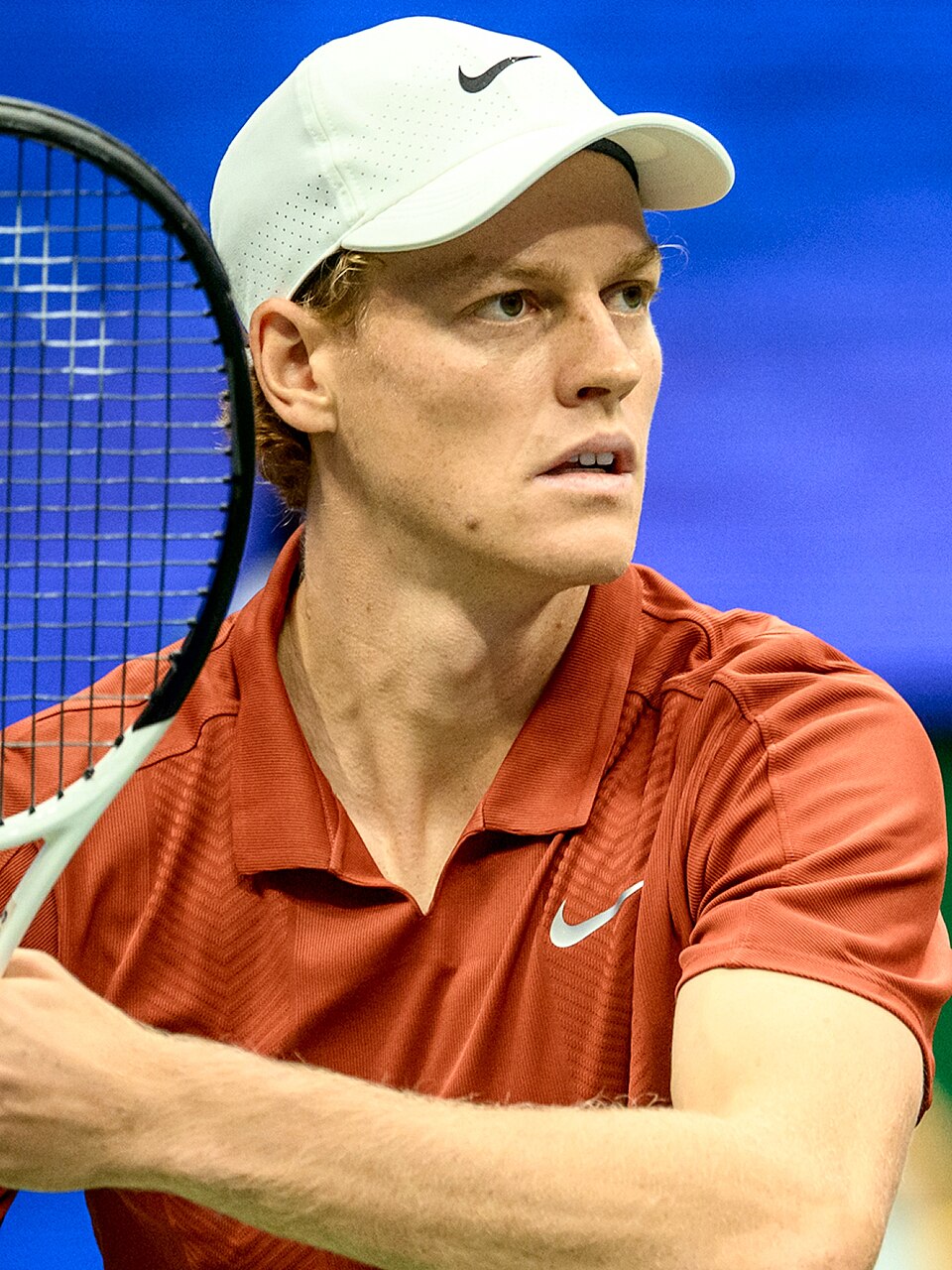
Sinner turned professional in 2018 and moved through the ATP rankings with an almost alarming steadiness. He wasn’t a flash-in-the-pan teenager making noise at one tournament and fading. He was methodical, consistent, and clearly built for the long game. By 2020, he had cracked the top 75. By 2022, he was firmly in the top 15. When he won his first Grand Slam title at the Australian Open in January 2024, defeating Daniil Medvedev in a thrilling five-set final after being two sets down, it felt less like a surprise and more like an inevitability finally arriving on schedule. He became the first Italian man to win a Grand Slam singles title - a historic moment that sent the entire country into celebration mode.
How Sinner Actually Plays the Game
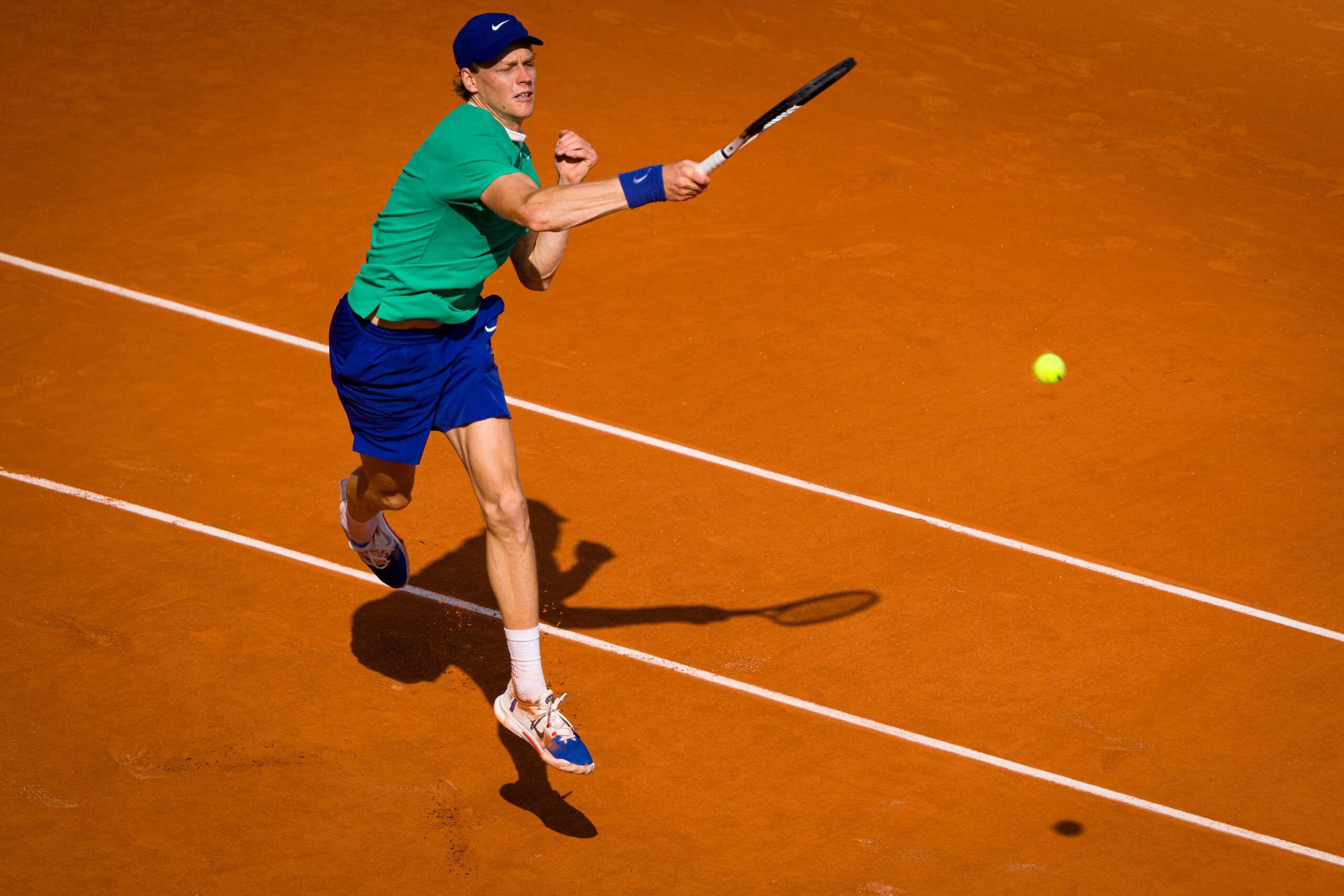
If you haven’t watched Sinner play, the best way to describe his style is controlled aggression - a combination that sounds contradictory until you see it in action. He plays from the baseline with extraordinary precision, using a two-handed backhand that is widely considered one of the most dangerous shots in the modern game. His forehand generates serious topspin, and his footwork is exceptional, allowing him to reset under pressure in ways that seem almost unfair to opponents who think they’ve won a point. What separates him from the previous generation of baseliners is his willingness to step inside the baseline and take time away from opponents, turning defense into offense faster than most players can process.
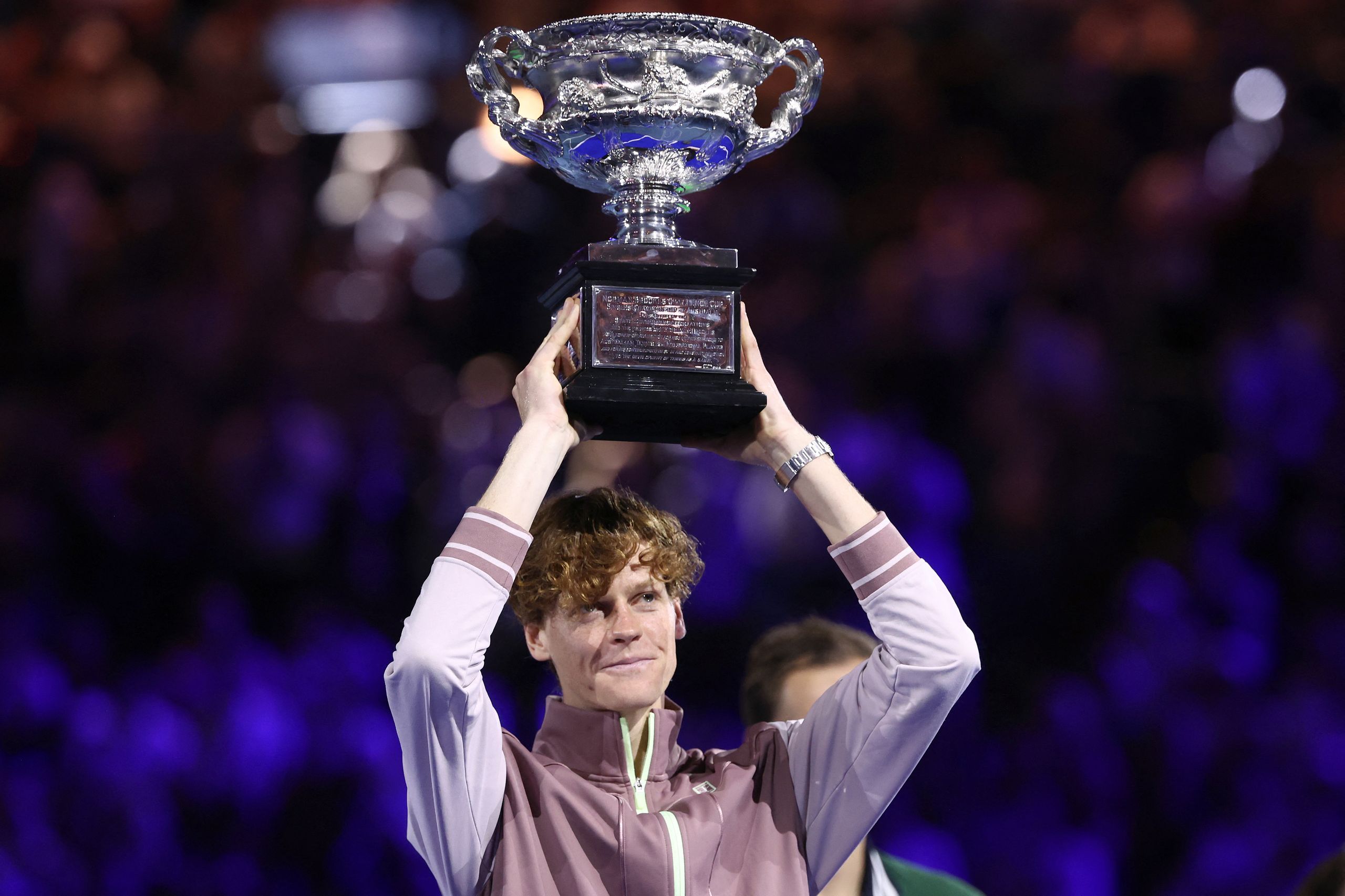
His physical conditioning is another part of the story. Sinner works obsessively on his fitness, and it shows in five-set matches where other players begin to fade around the fourth set. The comeback against Medvedev at Melbourne - clawing back from two sets down to win the title - was the clearest public demonstration of a mental and physical durability that his coaches had been talking about for years. He doesn’t celebrate wildly. He doesn’t panic visibly. He just keeps working, point after point, with an almost eerie calm that has become his signature. Tennis analysts have noted that his emotional regulation on court is exceptionally mature for someone still in his early twenties.
The Sinner-Alcaraz Rivalry Tennis Didn’t Know It Needed

Here’s the interesting problem that tennis is currently wrestling with: Jannik Sinner and Carlos Alcaraz are so good that there are genuine conversations happening about whether their dominance is healthy for the sport. Alcaraz, the Spaniard born just three months before Sinner in 2003, has already won multiple Grand Slams including Wimbledon and the French Open. Together, the two men have essentially taken over a sport that for nearly two decades was defined by the extraordinary Big Three of Roger Federer, Rafael Nadal, and Novak Djokovic. The transition was supposed to be gradual. Instead, it happened almost overnight, and now the question isn’t whether Sinner and Alcaraz are good - it’s whether their combined greatness is compressing the narrative of tennis into a two-man show.

Their rivalry is genuinely compelling because they are stylistically different. Alcaraz is the explosive showman - diving for balls, hitting improbable winners, playing to the crowd in a way that feels like pure entertainment. Sinner is the technician - quieter, more relentless, grinding opponents into submission with a precision that is almost mechanical. When the two face each other, it becomes a fascinating chess match between two completely different philosophies of how tennis should be played. Their meetings have produced some of the best tennis of the current era, and both men are still only in their early twenties, which means the tennis world is looking at potentially a decade or more of this rivalry at the very top of the game.