GTA 6 and the Music Industry: How Rockstar Turns Game Soundtracks Into Cultural Moments
Jalen Ross··10 min read
Ad SpaceArticle Top - 728x90
Advertisement
Sunset is bleeding pink over a digital coastline. A convertible takes the corner too fast, neon signs smearing across the windshield, and the radio dial lands on a song you have never heard before. Three bars in, you reach for your phone to find out what it is. By the time you reach the next checkpoint, the track is in your library, the artist is in your search history, and a piece of music you discovered while running from imaginary police has quietly become the soundtrack to your actual week. That moment, repeated across tens of millions of players, is the reason the music industry watches every Grand Theft Auto release the way the film industry watches the Oscars.
The arrival of Grand Theft Auto VI brings that moment back into focus, and this time the stakes for artists are bigger than they have ever been. A game that sells in the tens of millions does not just entertain. It curates. It decides which songs a generation hums on the school run, which dormant catalogue track gets a second life, and which rising name suddenly has a global audience that no radio programmer could have delivered. For Afrobeats and the wider wave of African music pushing onto the world stage, the question is no longer whether games matter. It is how big the door is about to swing open.
Where Grand Theft Auto VI stands now
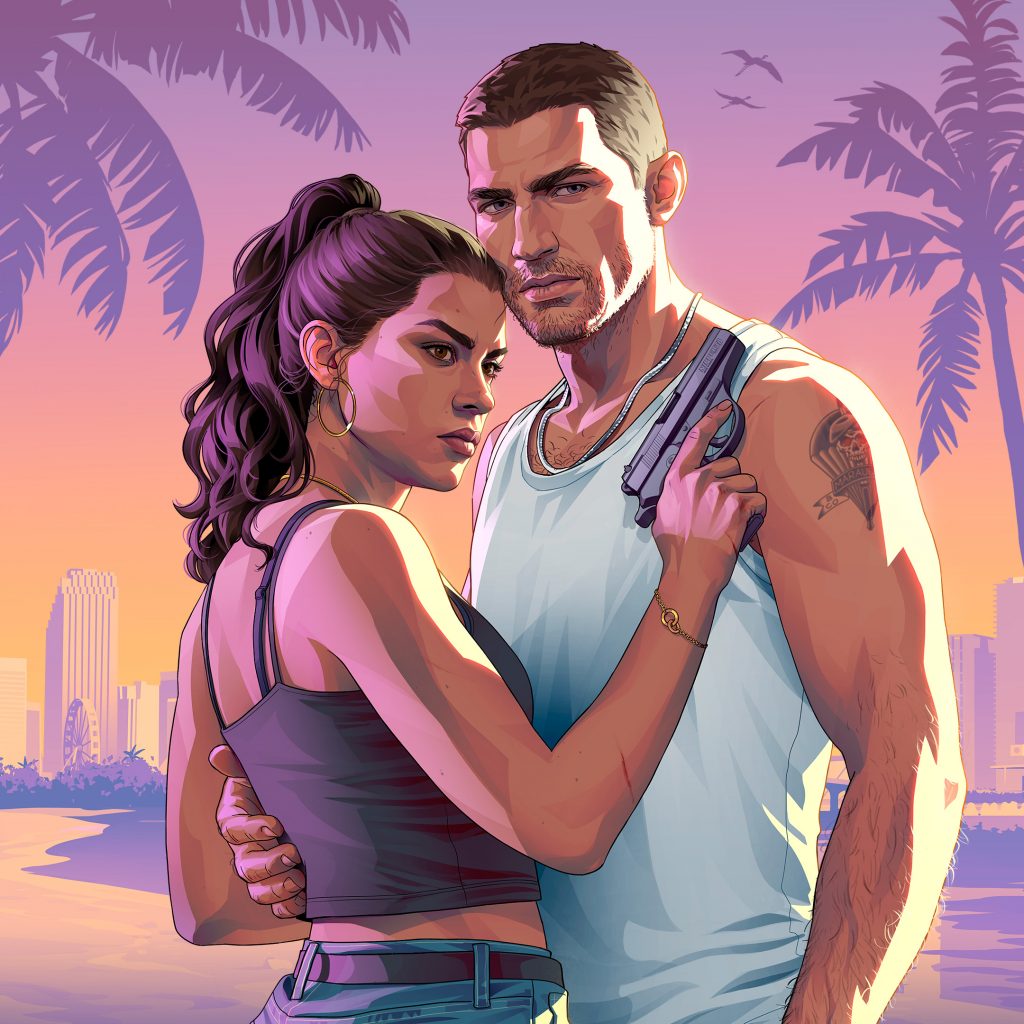
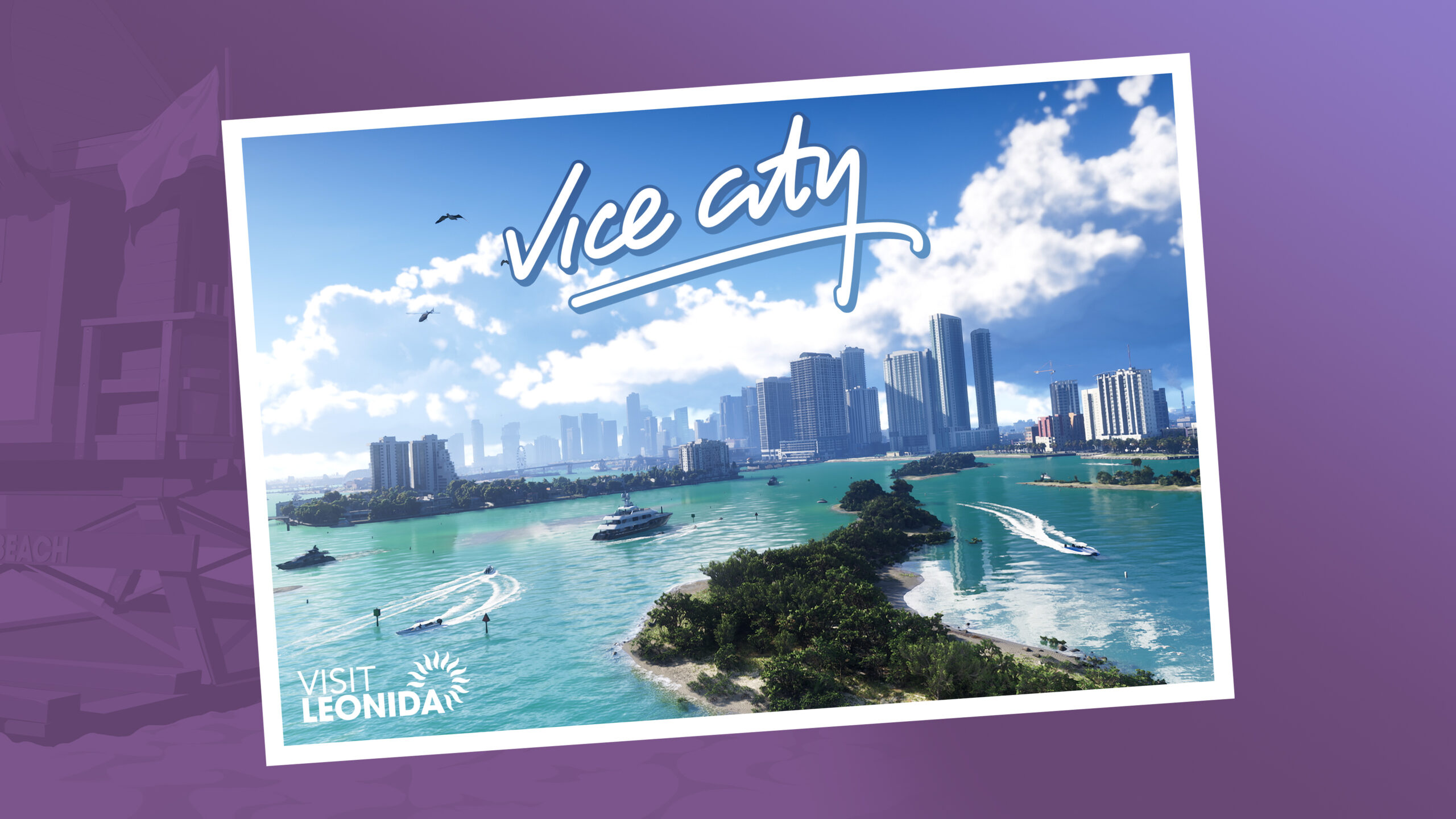
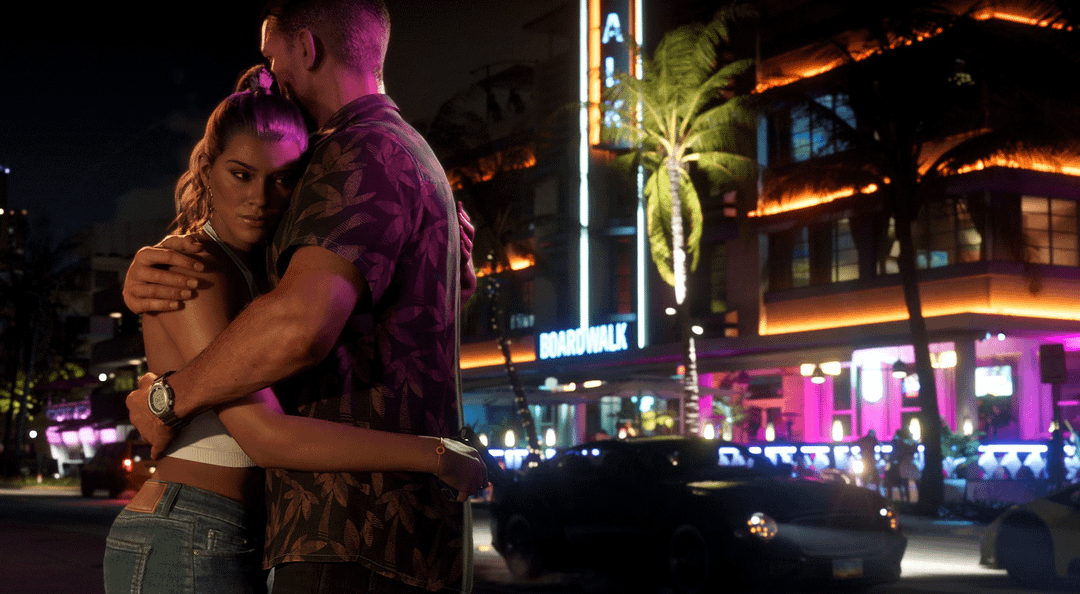
Rockstar Games first revealed Grand Theft Auto VI in December 2023, and the trailer did numbers that read more like national census figures than marketing metrics. The follow-up, a second trailer released the next year, was described by Rockstar as the biggest video launch of all time, reportedly drawing around 475 million views across platforms in its first 24 hours, comfortably ahead of the previous benchmark set by major film trailers. The game returns to Vice City, Rockstar’s neon-soaked riff on Miami and South Florida, and centres on two leads, Lucia and Jason, whose relationship anchors a story stretched across the fictional state of Leonida.
The road to release has not been smooth. The title was first expected in 2025, then pushed to a date in May 2026, and then delayed again into late 2026. As of June 2026, the reported release window is 19 November 2026 for PlayStation 5 and Xbox Series X and S, with pre-orders reported to be opening on 25 June 2026. That pre-order date matters beyond the marketing calendar, because console storefronts generally do not allow pre-orders to go live until a game is within twelve months of launch, which makes the November window look firmer than the earlier estimates ever did. A PC version has not been confirmed at the time of writing, in keeping with Rockstar’s habit of bringing its biggest titles to console first. None of these dates should be treated as carved in stone given the history of delays, but the direction of travel is clear: the most anticipated entertainment product of the decade is close, and its soundtrack is part of the reason the anticipation runs so hot.
The radio station as tastemaker
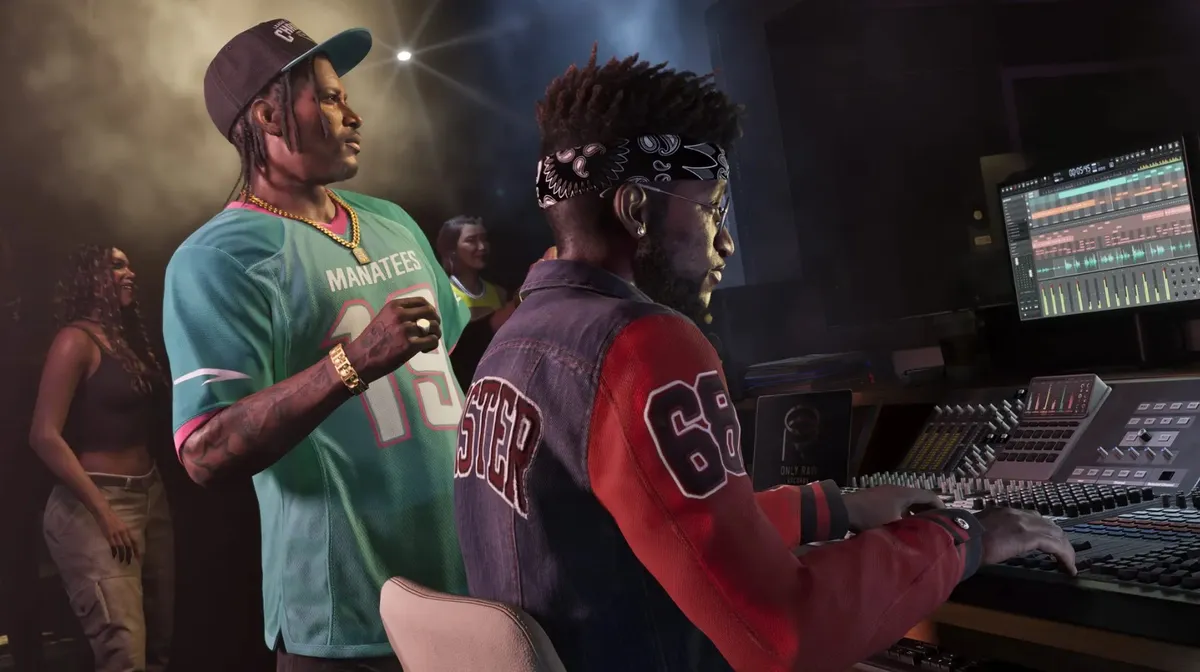
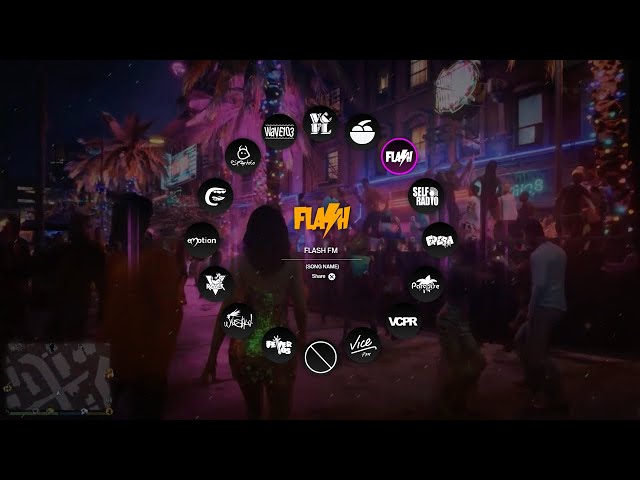
What separates Grand Theft Auto from almost every other game is the radio. Drive anywhere in a GTA world and you are listening to one of a dozen or more in-game stations, each with its own genre, its own DJ patter, its own ad breaks and weather reports. The effect is not background noise. It is a fully built radio ecosystem, and like real radio in its golden age, it functions as a tastemaker. You do not choose individual songs so much as choose a station and let it choose for you, which is exactly how musical discovery worked before algorithms and exactly the kind of serendipity streaming has spent years trying to recreate.
Rockstar leaned into this hard with Grand Theft Auto: San Andreas, where, for the first time in the series, every song on the radio was fully licensed, and the soundtrack ran to well over 150 tracks spread across stations covering everything from West Coast hip-hop to country to classic rock. The curation was so beloved that the licensing became a problem in its own right. When the rights to certain songs expired, later re-releases of San Andreas had to quietly drop tracks from artists whose music players had come to associate with the game, a reminder that these soundtracks were never just playlists but carefully negotiated cultural artefacts. Grand Theft Auto V pushed the idea further still, with stations curated by named hosts and a soundtrack that became a reference point in its own right. The lesson Rockstar absorbed across two decades is simple: get the radio right, and players will treat your fictional stations as real ones.
How GTA soundtracks made hits
The commercial side of this is where the music industry pays attention. A placement on a GTA station is not a fee-and-forget licensing deal. It is exposure to an audience measured in the tens of millions, sustained over years, because people keep playing these games long after launch. A song that catches on inside the game gets searched, streamed, added to playlists and shared, and the discovery loop that started with a player hearing it while driving ends with real numbers on real streaming services.
Rockstar has also used soundtracks as live, evolving products rather than fixed ones. Grand Theft Auto Online kept adding new stations and refreshing tracklists years after the original release, including a station hosted by rapper Danny Brown that mixed UK rap, contemporary hip-hop and afro-fusion. That willingness to update is part of why a GTA placement holds value: the audience does not shrink the way a film’s does after opening weekend. It compounds. For a developing artist, being on the right station at the right moment is the kind of break that used to require a major-label radio push and a healthy budget, delivered instead by a video game that millions of people choose to spend hundreds of hours inside.
The FIFA and EA Sports FC parallel, and why it matters in Africa
If GTA is the prestige tastemaker, the football game now known as EA Sports FC, for decades called FIFA, is the volume machine, and nowhere is its influence felt more sharply than in Africa. For more than 25 years the series has functioned as a global music discovery platform, and a generation of players will tell you they first heard a song not on the radio but while navigating menus before a match. Tracks like Avicii’s “The Nights,” Imagine Dragons’ “On Top of the World,” John Newman’s “Love Me Again” and K’naan’s “Wavin’ Flag” became fixtures partly because the game put them in front of a worldwide audience year after year, and each now counts views and streams in the hundreds of millions.
Ad SpaceIn-Article - 300x250
Advertisement
For Nigerian and African artists, this pipeline has become genuinely career-shaping. Davido made history in 2022 as the first Nigerian artist to prominently feature on an official FIFA World Cup soundtrack, placing Afrobeats at the centre of one of the most-watched sporting events on earth. The trend accelerated from there. EA Sports FC 25 featured Afrobeats stars Rema, Shallipopi and Omah Lay, with Rema returning after an earlier appearance in the series, Shallipopi making his soundtrack debut, and Omah Lay landing a placement with his track “Moving.” For young listeners in Lagos, London or Los Angeles, the game became a place where African music sat naturally alongside global pop, not as a novelty but as part of the standard rotation. That normalisation, more than any single placement, is the real prize.
Games as the new radio
Step back and the bigger pattern comes into view. For a generation that did not grow up with terrestrial radio as the default source of new music, games have quietly taken over the role radio once played. The structure is almost identical: a curated stream of music, chosen by someone with taste, delivered in a context where you are doing something else and open to discovery rather than actively hunting. The difference is reach and dwell time. A player can spend hundreds of hours inside a single game, and across those hours the soundtrack becomes as familiar as a favourite station, the songs welded to specific memories of specific moments in play.
This is why the music industry has stopped treating game placements as a side channel and started treating them as primary. A spot in a blockbuster game can outperform traditional radio in raw exposure, and unlike a radio spin it keeps working for years. Labels now pitch songs for games the way they once pitched them for film trailers and television adverts, and artists increasingly see a game soundtrack as a tentpole moment rather than a footnote in the credits. The console has become the radio dial, and the developer has become the programmer with the most powerful chair in the building.
What Grand Theft Auto VI could mean for artists
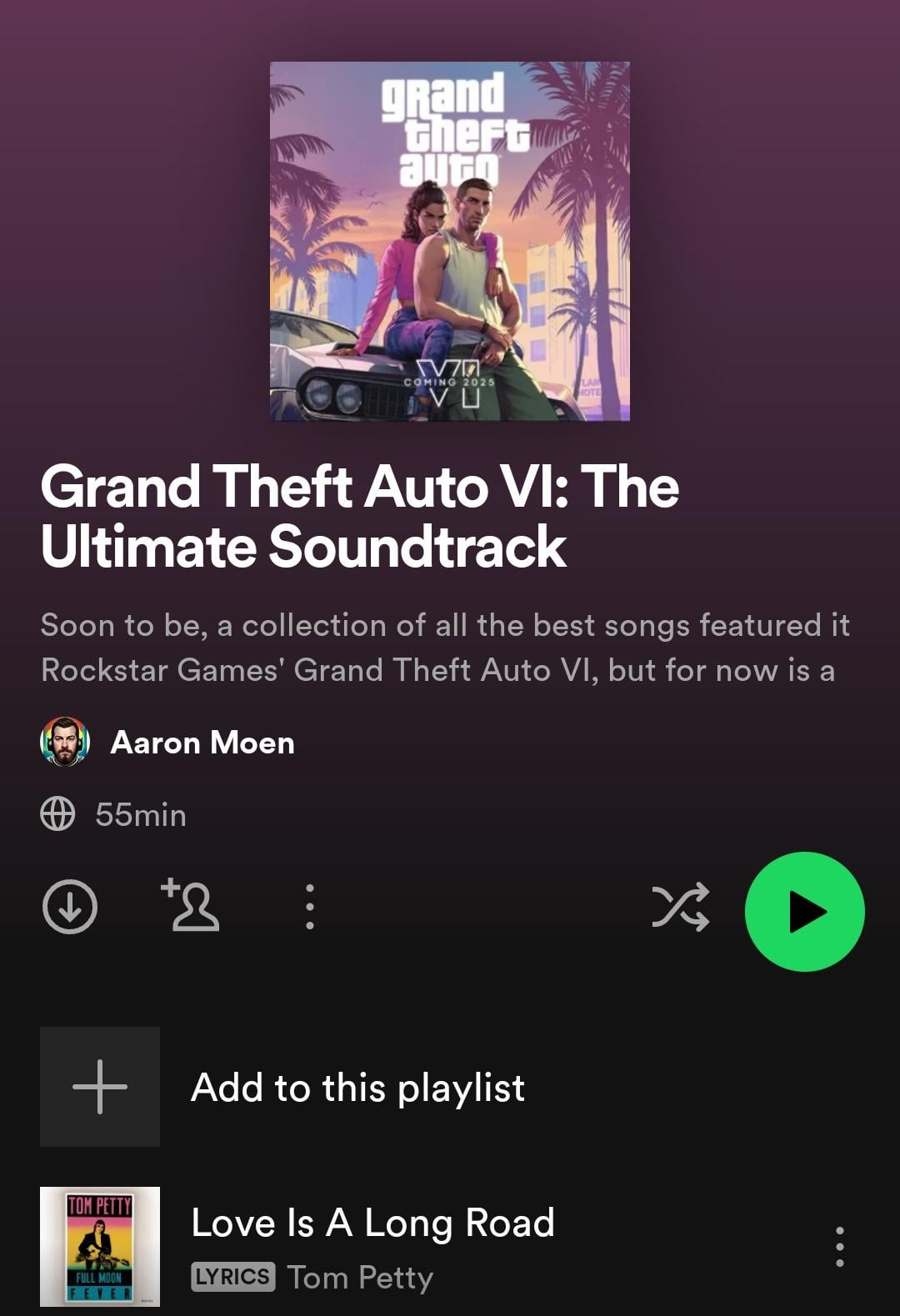
A new Grand Theft Auto is a once-in-a-decade event, and its soundtrack inherits all of that gravity. Reporting and speculation around Grand Theft Auto VI’s music has already pointed to a Vice City setting that would naturally support a wide spread of genres, with talk of returning stations, modern hip-hop, Latin and Caribbean sounds, electronic music, country and the possibility of artist-curated stations. Some of the specific names and stations circulating remain rumour rather than confirmation, and should be treated that way until Rockstar says otherwise, but the broad shape is consistent with how the series has always built its radio: as a snapshot of a place and a moment in music.
What is not speculative is the scale. A game expected to sell in the tens of millions, played by people who keep returning to it for years, hands every artist on its soundtrack a platform that very little else in entertainment can match. For an established act, it is a stamp of cultural relevance. For a rising one, it is the kind of exposure that can reset a career overnight. And because GTA soundtracks have a habit of being remembered long after release, a single placement can keep paying out in streams and discovery for the better part of a decade.
The Afrobeats opportunity
Here is where the African angle sharpens into something concrete. The idea of Afrobeats on a Grand Theft Auto soundtrack is not hypothetical, because it has already happened. Burna Boy’s “Killin Dem,” his collaboration with Zlatan, has featured on the afro-fusion-leaning iFruit Radio station inside Grand Theft Auto V and Grand Theft Auto Online, which means an Afrobeats track has already lived on one of gaming’s most influential radio dials. That precedent reframes the conversation. The question for Grand Theft Auto VI is not whether African music can break through, but how much further the door can open now that the genre’s global stock has risen so dramatically since GTA V’s day.
The case for a deeper Afrobeats presence almost writes itself. The setting is Vice City, a fictional Miami, and Miami’s real-world sound is built on Caribbean and Latin influence, with Afrobeats now woven through the global club and pop landscape that any modern Vice City station would plausibly reflect. The genre’s biggest names already command worldwide audiences, sell out arenas across continents and collaborate freely with American and Latin artists. A station that captures the actual sound of a contemporary South Florida summer would struggle to be authentic without African music in the mix. Whether Rockstar leans into that remains to be seen, and it would be wrong to assert any specific placement before the game arrives. But the opportunity is real, the precedent exists, and the upside for any African artist who lands a spot is enormous: a single track on the right station of the best-selling entertainment product of the decade would reach more new ears in a year than most radio campaigns manage in a lifetime.
The business of game music
Underneath the cultural story sits a business that has quietly become serious money. Licensing music for a game of this scale is a complex, expensive negotiation, which is precisely why San Andreas tracks fell off later editions when rights lapsed, and why developers think hard about which songs are worth the long-term commitment. For artists and rights holders, the appeal is a blend of upfront licensing income and the longer tail of streaming and discovery that follows exposure to a massive, engaged audience. For developers, an iconic soundtrack is a competitive asset, a reason players bond with a world and return to it, and a marketing engine in its own right when a trailer’s needle-drop becomes a talking point.
That alignment of interests is what keeps the whole machine running. The artist wants reach, the label wants streams, the developer wants a world that feels alive, and the player wants the small electric thrill of hearing the right song at the right moment while the city blurs past. Grand Theft Auto VI sits at the centre of all of it, a single release with the power to turn unknown tracks into anthems and to hand a global stage to artists who, a decade ago, would have had no realistic path to that audience. When the radio dial finally lands on its first new station and a song nobody has heard yet starts to play, somewhere a career will quietly begin to change. For African artists especially, that is a door worth standing close to.
Ad SpaceIn-Article - 300x250
Advertisement
Share
Get the recap
Loved this story? Get more like it.
Join readers who get our weekly entertainment recap - the stories worth your time, delivered every Friday.
No spam. Unsubscribe anytime. By signing up you agree to our Privacy Policy.