
The thriller genre has given us some of cinema’s most unforgettable moments - from shower scenes that changed horror forever to psychological cat-and-mouse games that still give audiences chills decades later. Over the past 80 years, filmmakers have pushed the boundaries of suspense, creating masterpieces that continue to influence modern cinema.
These ten films represent the absolute pinnacle of thriller moviemaking, each one a testament to the power of expert storytelling, brilliant performances, and masterful direction. From classic Hollywood to groundbreaking modern cinema, this ranking celebrates the movies that made audiences grip their seats and question everything they thought they knew.
The Master of Suspense Sets the Standard
No discussion of thriller cinema can begin without acknowledging Alfred Hitchcock’s revolutionary contributions to the genre. His 1960 masterpiece “Psycho” fundamentally changed what audiences expected from movies, proving that even the biggest stars weren’t safe from a filmmaker’s knife.
The film’s infamous shower scene remains one of cinema’s most analyzed sequences, with its rapid cuts and Bernard Herrmann’s shrieking violins creating pure cinematic terror. Janet Leigh’s shocking early exit from the narrative broke every Hollywood rule and established Hitchcock as the undisputed master of audience manipulation.
When Bank Robberies Become Social Commentary
Sidney Lumet’s “Dog Day Afternoon” transformed a simple bank heist into a complex exploration of media manipulation and social outcasts. Al Pacino’s desperate performance as Sonny Wortzik elevated what could have been a straightforward crime thriller into something far more profound and unsettling.
The film’s real-time approach and claustrophobic atmosphere created an entirely new template for hostage dramas. Its influence can be seen in countless subsequent thrillers that use confined spaces to explore larger societal issues.
Psychological Horror Reaches New Heights
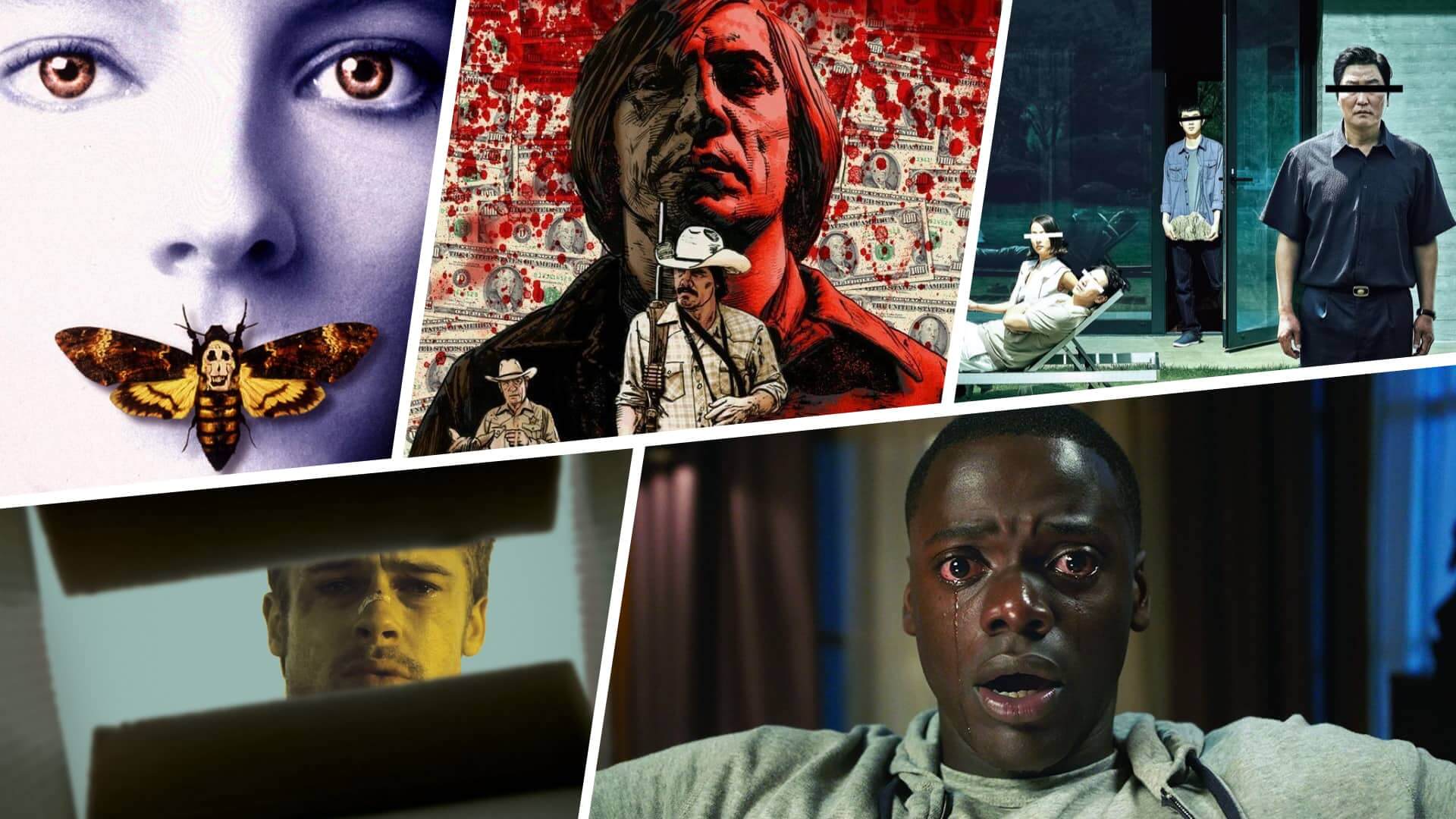
“The Silence of the Lambs” didn’t just win the Big Five Academy Awards - it fundamentally changed how audiences viewed both serial killer movies and strong female protagonists. Jodie Foster’s Clarice Starling became a new archetype for thriller heroes, while Anthony Hopkins’ Hannibal Lecter redefined screen villainy with just 16 minutes of screen time.
Director Jonathan Demme’s intimate close-ups created an uncomfortable intimacy between viewers and characters, making every conversation feel like a psychological examination. The film proved that intelligent, character-driven thrillers could achieve both critical acclaim and massive commercial success.
Modern Masterpieces Push New Boundaries
David Fincher’s “Se7en” brought thriller cinema into the gritty, nihilistic 1990s with its unflinching examination of evil and moral decay. The film’s shocking finale - delivered through Kevin Spacey’s chilling performance as John Doe - remains one of cinema’s most devastating climaxes.