How Much Golf's Biggest Stars Really Earn - Prize Money, Endorsements and Net Worth Explained
Miki Anderson··10 min read
Ad SpaceArticle Top - 728x90
Advertisement
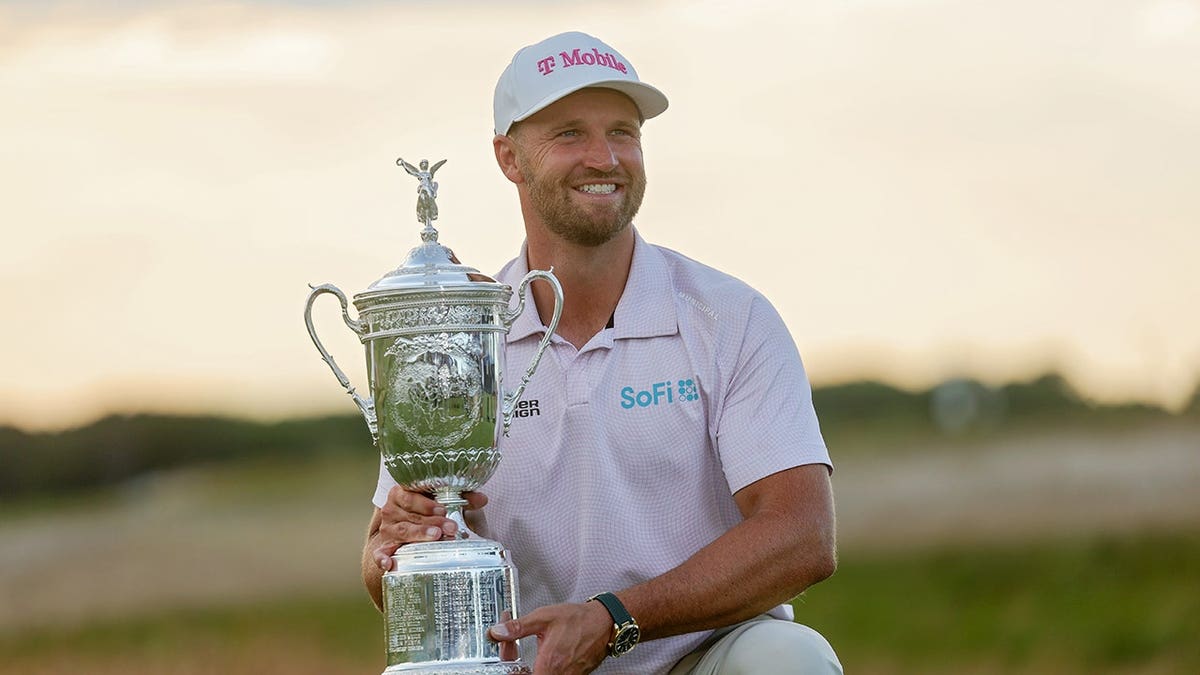
$4.3 million landed in J.J. Spaun’s account for four days of work at Oakmont in June 2025, the winner’s cut of the richest purse in major championship golf. It was, at the time, the biggest first-place cheque any major had ever paid. And here is the strange part: for the men at the very top of this sport, that life-changing sum barely registers. Tiger Woods has earned roughly that much from a single afternoon of appearance fees and brand activations. The money in professional golf flows from two very different taps, and the bigger one almost never comes from sinking putts.
That gap between what golfers win and what golfers are actually worth is the most misunderstood thing about the sport’s economics. Fans see the leaderboard and the cheque presentation and assume the prize money is the fortune. It rarely is. To understand how Scottie Scheffler, Rory McIlroy, Jon Rahm and the rest built their wealth, you have to separate the on-course engine from the off-course one, then watch how a Saudi-backed startup blew up the whole model in 2022.
The two ways a golfer gets paid
Every professional golfer’s income splits into two buckets. The first is prize money, also called purse money or on-course earnings. You play a tournament, you finish in a certain position, you collect a slice of the prize pool. Miss the cut on most traditional tours and you go home with nothing. This is the visible money, the figure that flashes on screen when a putt drops.
The second bucket is everything else: endorsements, equipment deals, apparel contracts, appearance fees, course design, ownership stakes and business ventures. This is the invisible money, and for elite players it dwarfs the first bucket by a factor of five, ten, sometimes more. A top-20 player in the world might earn a few million in prize money in a strong year. The same player can earn that again, or several times over, simply by wearing a logo on his shirt and a watch on his wrist.
The reason is simple. Prize money is capped by the size of the purse and how well you happen to play that week. Endorsement income is tied to fame, marketability and longevity, which compound over a career and keep paying long after the trophies stop. That is why a 50-year-old who no longer contends can still out-earn a 25-year-old who is dominating the world rankings.
The majors and their purses - inside the US Open payout
Golf’s four majors - the Masters, the PGA Championship, the US Open and the Open Championship - sit at the top of the prize-money pyramid, and the US Open is the most lucrative of them. At the 2025 US Open at Oakmont, the total purse was $21.5 million, with $4.3 million going to champion J.J. Spaun. That winner’s share was tied for the largest first-place cheque ever paid at a major. The runner-up collected roughly $2.32 million, and the top four finishers each banked at least a million dollars.
The number keeps climbing. The 2026 US Open carried a reported record purse of around $22.5 million, the richest in the championship’s history. For context on how fast this has moved, a US Open winner two decades ago took home a fraction of today’s figure. The majors have become a money arms race, partly in response to the competitive pressure described later in this piece.
Still, even $4.3 million for a major is, by the standards of the top players’ total wealth, a rounding error. A single major title is worth far more for what it unlocks, the endorsement bumps, the appearance-fee leverage, the legacy, than for the cheque itself.
The FedEx Cup bonus - playing for a separate fortune
On the US-based PGA Tour, regular prize money is only half the story of a season. Layered on top is the FedEx Cup, a season-long points race that ends in playoffs and pays out from an enormous bonus pool entirely separate from tournament purses.
For the 2025 season, that bonus pool totaled a reported $100 million, distributed across several stages for the first time. Tommy Fleetwood won the 2025 Tour Championship and the FedEx Cup title, banking a reported $10 million bonus on top of his official prize money. Scottie Scheffler, who topped the regular-season standings, collected a reported $10 million from a separate regular-season bonus pool. Even players who never sniffed the playoffs received deferred bonus money paid into retirement accounts.
This is the piece casual fans miss most often. When you read that a golfer “earned $50 million this season,” the bulk of that is frequently not tournament winnings at all but FedEx Cup bonuses, end-of-season awards and program payouts that reward consistency over a calendar.
How LIV Golf rewrote the money rules
For decades, the deal in professional golf was clear: no guaranteed salary, eat what you kill. Then in 2022 came LIV Golf, bankrolled by Saudi Arabia’s Public Investment Fund, and it tore that contract up.
LIV did two things no traditional tour had done. First, it dangled colossal guaranteed signing fees, money paid just for joining, separate from and on top of any prize money. Phil Mickelson reportedly received a signing fee of around $200 million. Dustin Johnson’s was reported in the region of $125 million, Bryson DeChambeau’s at $100 million-plus. These were sums no amount of tournament play could match.
Second, LIV changed the competition itself. Its events run a no-cut, 54-hole format, meaning every player who tees off gets paid, even the man who finishes dead last. Early LIV events carried a reported $25 million purse per tournament, roughly $20 million for individual finishes and $5 million for the team competition, with around $4 million to the winner and a reported $120,000 floor for last place. Guaranteed money for showing up was the entire pitch.
Ad SpaceIn-Article - 300x250
Advertisement
The single loudest example is Jon Rahm. The Spaniard, a former world number one and major champion, was reportedly lured from the PGA Tour in late 2023 on a deal valued at $300 million or more, with some outlets reporting figures running far higher when team-ownership stakes and bonuses are folded in. By 2025 Rahm himself acknowledged the contract was long and tightly drafted, telling reporters he did not “see many ways out,” even as reports circulated that the Saudi fund was reconsidering its spending. LIV’s disruption forced the PGA Tour to pour money into bigger purses and bonus pools, which is a large part of why those US Open and FedEx Cup numbers have ballooned.
The biggest fortunes - all of them estimates
A hard rule before the names: every net worth and lifetime-earnings figure below is an estimate compiled by outlets such as Forbes, Spotrac and Celebrity Net Worth. Players do not publish audited statements. Treat these as informed reported ranges, not documented fact.
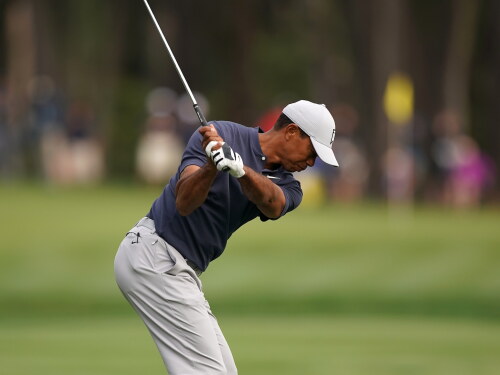
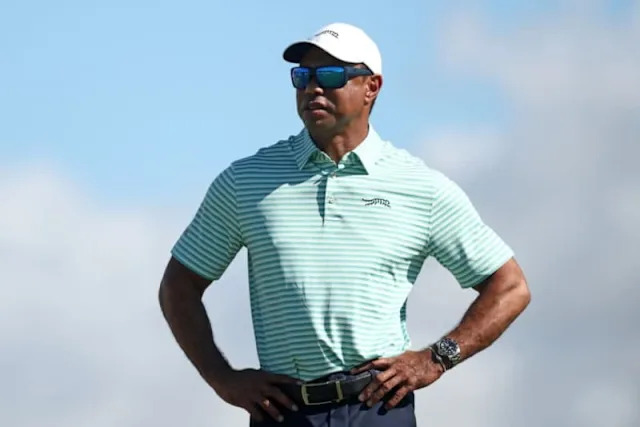
Tiger Woods sits in a category of one. Forbes has reported Woods as golf’s first billionaire athlete, with his net worth estimated at around $1.3 billion in 2025 and reported figures climbing toward $1.5 billion into 2026. His lifetime earnings before tax have been estimated at roughly $1.8 billion since he turned professional in 1997. The telling detail: his PGA Tour prize money, a record of around $121 million, makes up less than 10 percent of that fortune. The rest came from endorsements, with Nike alone reportedly worth $200 million to $250 million over two decades, plus course design and other ventures.
Scottie Scheffler is the on-course money machine of this era. He has topped the PGA Tour money list four years running. In 2025 he reportedly earned around $27.7 million in on-course prize money alone, and once FedEx Cup and program bonuses are added, his total season earnings were reported above $50 million. In 2024 he banked a reported $29.2 million in tournament winnings plus a $25 million FedEx Cup bonus. Forbes estimated his net worth at around $97 million in 2025, the bulk from winnings, with roughly $30 million from endorsements with the likes of Nike and TaylorMade. Unlike Tiger, Scheffler’s wealth so far is built mostly on the leaderboard, which is exactly what makes him the rare modern star whose prize money outweighs his sponsorships.
Rory McIlroy is the bridge between the two models. The Northern Irishman became only the second player in PGA Tour history, after Woods, to pass $100 million in career prize money, and he completed the career Grand Slam by winning the 2025 Masters. His net worth has been reported at around $250 million by Celebrity Net Worth, with the Sunday Times Rich List placing him higher, around £260 million, roughly $320 million. In 2024 Forbes reported he earned about $83 million, split roughly $38 million on the course and $45 million from endorsements with Nike, TaylorMade, Omega and others. That split, more from logos than from golf, is the norm at the very top.
Phil Mickelson rounds out the picture as the veteran whose fortune long ago detached from his results. His net worth has been reported around $300 million, with career endorsements alone reported above $800 million over the decades. His LIV signing fee, reported near $200 million, arrived when his competitive best was behind him, proof that marketability and name value pay out long after the wins dry up.
Endorsements - where the real wealth lives
Run those numbers together and the lesson is unmistakable. Tiger Woods earned a record $121 million in prize money and is reportedly worth more than ten times that. Rory McIlroy out-earns his own tournament winnings through sponsorship in a typical year. Phil Mickelson’s reported $800 million in career endorsement money makes his actual prize money look like pocket change.
The reason endorsements dominate is structural. A swoosh on a cap is seen by hundreds of millions of viewers across a four-day broadcast, then again in every highlight reel and photograph for years. Brands pay for that exposure whether the player wins or misses the cut. Equipment companies pay for credibility, apparel firms for image, watchmakers and banks and airlines for association with a clean, global, aspirational sport. The fame compounds, the contracts renew, and the income arrives regardless of form. Prize money rewards the best week. Endorsements reward the biggest name. In golf, the biggest name almost always wins.
The African angle - a small footprint with deep roots
Golf’s money map is dominated by the United States and Europe, but Africa has a real and historically heavy presence, concentrated overwhelmingly in South Africa. By one count South African men have won 22 major championships, placing the country fourth on the all-time list behind only the United States, Scotland and England, a staggering tally for a nation of its size.
The roll call is legendary. Gary Player completed the career Grand Slam and remains one of the most successful golfers the game has produced. Ernie Els won four majors, beginning with the 1994 US Open. Retief Goosen captured two US Open titles in 2001 and 2004. Louis Oosthuizen demolished the field to win the 2010 Open Championship at St Andrews by seven shots. Charl Schwartzel won the 2011 Masters with a closing charge in Augusta. Trevor Immelman added a Masters of his own in 2008.
The continent also hosts elite professional golf. The DP World Tour, the main European-based circuit, stages a cluster of events in South Africa, the most prestigious being the Nedbank Golf Challenge at the Gary Player Country Club in Sun City. The 2025 edition carried a $6 million purse, with winner Kristoffer Reitan taking home a reported $1,025,000, numbers that put a South African event firmly in the global conversation. Beyond the professional ranks, golf is slowly widening its base across the continent, with growing junior programs and tournaments in countries including Nigeria, Kenya and Morocco, even if the wealth and infrastructure remain a fraction of what the United States and Europe command.
For Africa, the story is less about chasing the billion-dollar fortunes of Woods and more about a proud, established legacy in the majors and a tour presence that keeps the world’s best coming to play on the continent each season.
The leaderboard versus the logos
Strip away the spectacle and golf’s money runs on a clear logic. The leaderboard pays the rent. The logos build the empire. J.J. Spaun’s $4.3 million at the 2025 US Open was a fortune by any normal measure and a footnote in the ledger of the men whose faces sell the watches and the clubs. Scottie Scheffler is the exception who proves the rule, a player whose winning is so relentless that, for now, his prize money keeps pace with his fame. For everyone above him on the net-worth list, the swing stopped being the main source of wealth a long time ago. The cheque clears on Sunday. The endorsement money never stops arriving.
Ad SpaceIn-Article - 300x250
Advertisement
Share
Get the recap
Loved this story? Get more like it.
Join readers who get our weekly entertainment recap - the stories worth your time, delivered every Friday.
No spam. Unsubscribe anytime. By signing up you agree to our Privacy Policy.