Table of Contents
- What Is Film Theory and Why Does It Matter?
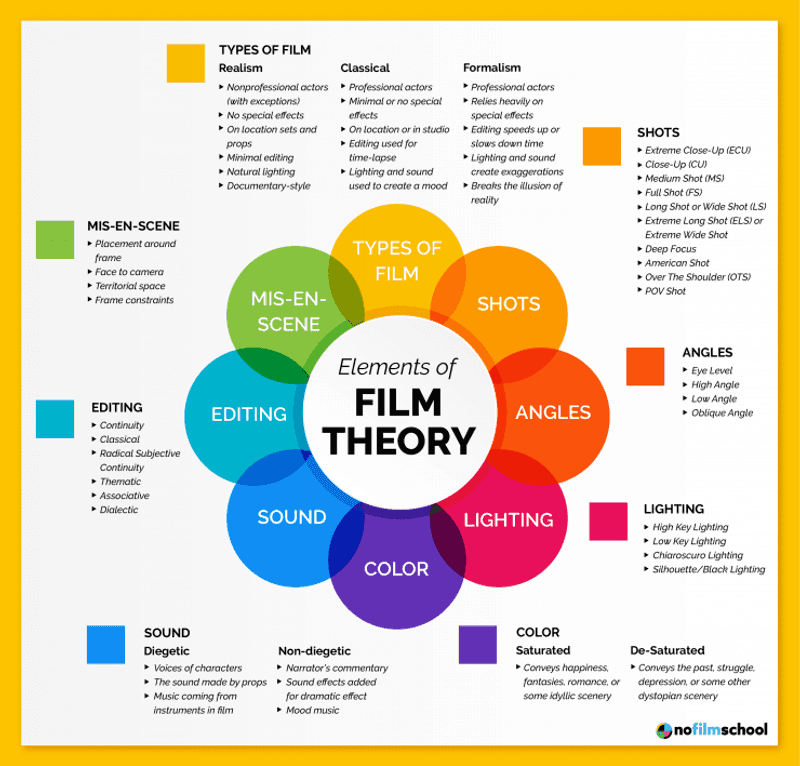
- Mise-en-Scene: Reading Everything in the Frame
- Cinematography: How Camera Choices Shape Meaning
- Editing and Montage Theory
- Sound Design and Its Hidden Influence
- Narrative Theory: How Stories Are Structured
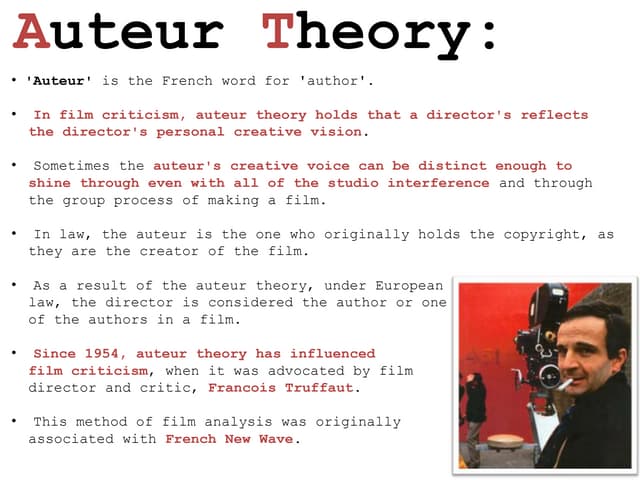
- Auteur Theory: The Director as Author
- Major Film Movements and Schools of Thought
- How to Write a Film Analysis
- Key Takeaways
- Frequently Asked Questions
What Is Film Theory and Why Does It Matter?
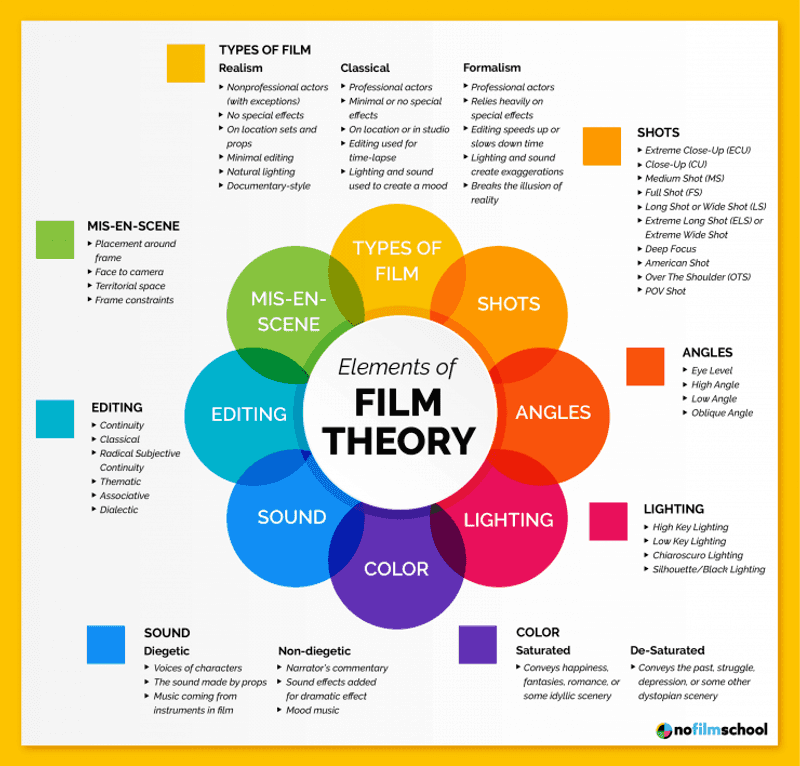
Film theory explained at its most basic is the study of how movies create meaning. It is the toolkit that allows you to understand not just what a film is about, but how it communicates its ideas through visual, auditory, and structural choices. Every decision a filmmaker makes - where to place the camera, how to light a scene, when to cut, what music to play - carries meaning. Film theory teaches you to decode those decisions.
You do not need a film degree to benefit from film theory. Anyone who watches movies can deepen their appreciation and understanding by learning the fundamental concepts. After studying film theory, you will never watch a movie the same way again - you will notice the color palette shifts that signal a character’s emotional state, the editing rhythms that build tension, the composition choices that direct your attention, and the sound design that shapes your emotional response without you even realizing it.
Film theory explained as a discipline draws from aesthetics, psychology, semiotics (the study of signs and symbols), cultural studies, philosophy, and art history. It has evolved over more than a century, with theorists from Russia, France, Germany, the United States, and beyond contributing frameworks for understanding cinema’s unique power as an art form.
Whether you are a casual moviegoer who wants to understand why certain films affect you deeply, a budding filmmaker who wants to use cinematic tools more intentionally, or a student preparing for film school, understanding film theory transforms your relationship with cinema.
Mise-en-Scene: Reading Everything in the Frame
Mise-en-scene (French for “placing on stage”) is one of the most fundamental concepts in film theory explained for analysis purposes. It refers to everything visible within the frame: set design, props, costumes, actor positioning, lighting, and color. Every element within the frame is a deliberate choice that contributes to meaning.
Set Design and Props
The environment in which a scene takes place communicates volumes before a single word of dialogue is spoken. In “Parasite” (2019), director Bong Joon-ho uses the architecture of two homes - the cramped, semi-basement apartment of the Kim family and the sleek, modernist mansion of the Parks - as visual metaphors for class division. The vertical geography of the film (basement to penthouse) physically represents the social hierarchy. This is mise-en-scene at work: the set itself tells the story.
Lighting
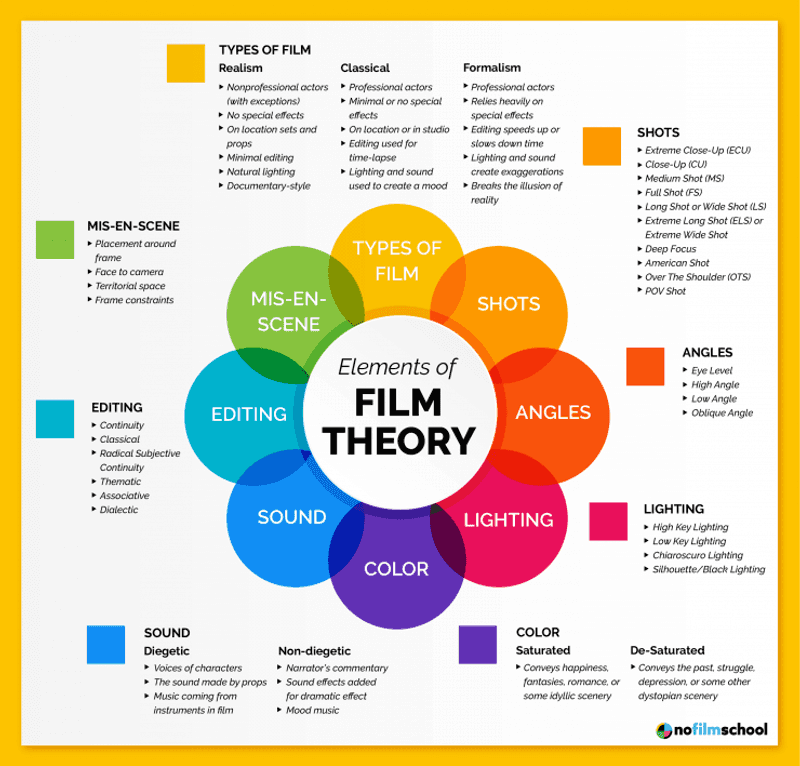
Lighting shapes mood, reveals character, and guides the viewer’s attention. High-key lighting (bright, even illumination with minimal shadows) creates an upbeat, open atmosphere - think of the brightly lit worlds of Wes Anderson’s films. Low-key lighting (dramatic contrasts between light and shadow) creates tension, mystery, and psychological depth - the hallmark of film noir and horror. Chiaroscuro lighting, with its sharp contrast between light and darkness, was mastered by cinematographers like Gordon Willis, whose deeply shadowed interiors in “The Godfather” (1972) visually represent the moral darkness of the Corleone family.
Color
Color palettes are rarely accidental in well-made films. In “The Grand Budapest Hotel” (2014), Wes Anderson uses distinct color palettes for each time period - warm pinks and purples for the 1930s, muted oranges for the 1960s, and cold grays for the 1980s. In “Schindler’s List” (1993), Steven Spielberg shot the film in black and white with a single element of color - a girl in a red coat - to devastating emotional effect. Color theory in film analysis examines how warm colors (red, orange, yellow) evoke energy, passion, and danger, while cool colors (blue, green, purple) suggest calm, sadness, or alienation.
Costume and Makeup
What characters wear reveals their identity, status, and emotional state. In “The Devil Wears Prada” (2006), Andy Sachs’ transformation from frumpy newcomer to fashionable insider is tracked entirely through her wardrobe changes. In “Mad Max: Fury Road” (2015), the bleached, warlike costumes of the War Boys contrast with the flowing, earthy garments of the Vuvalini, visually encoding each group’s values and relationship to the natural world.
Cinematography: How Camera Choices Shape Meaning
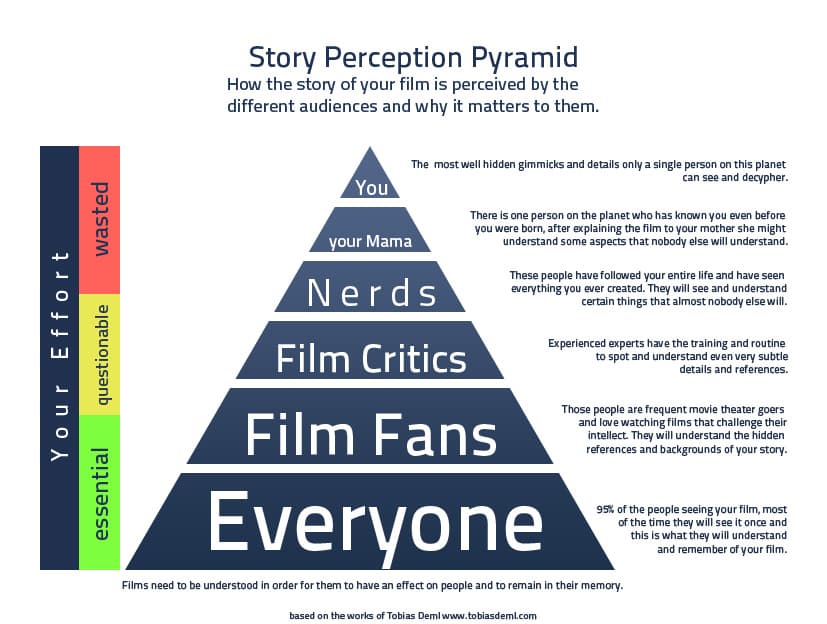
Cinematography - the art of visual storytelling through camera work - is where film theory explained becomes especially powerful for practical analysis.
Shot Types and Framing
The distance between camera and subject fundamentally affects how we relate to what we see. Extreme close-ups of a face create intimacy and force us to engage with a character’s emotions - think of the unforgettable close-ups in Sergio Leone’s spaghetti westerns, where eyes fill the entire screen. Wide shots establish geography and can make characters feel small within their environment, creating a sense of isolation or wonder. Medium shots - the most common framing in cinema - balance character and environment, mimicking the natural distance of human conversation.
Camera Angles
A low-angle shot (looking up at a character) makes them appear powerful, dominant, or threatening. Orson Welles used this extensively in “Citizen Kane” (1941) to convey Charles Foster Kane’s growing power and ego. A high-angle shot (looking down) makes characters appear vulnerable, small, or trapped. A Dutch angle (tilted camera) creates visual unease and disorientation - it is a staple of horror and thriller genres. These are not arbitrary choices; they are tools for visual storytelling.
Camera Movement
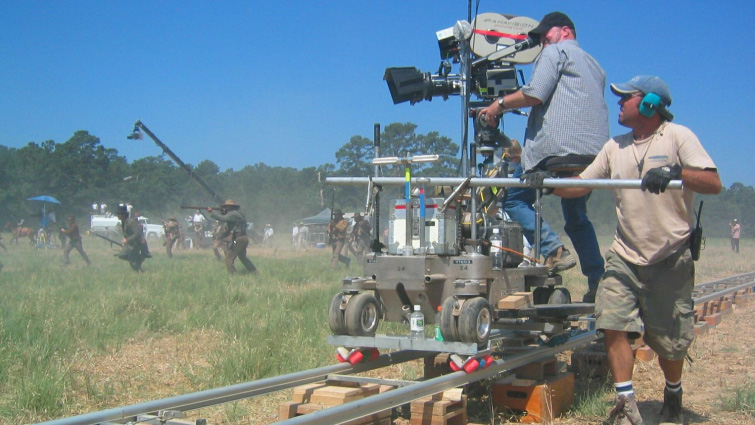
How the camera moves (or does not move) carries enormous expressive weight. A static camera creates a sense of observation and objectivity - documentaries and social realist films often favor static shots. Tracking shots that follow characters create immersion and empathy. Steadicam shots (smooth, floating movement) can feel dreamlike or menacing depending on context - Stanley Kubrick’s use of Steadicam in “The Shining” (1980) to follow Danny tricycling through the Overlook Hotel corridors is cinema’s most famous example of menacing smooth movement.
Handheld camera work introduces energy, urgency, and rawness. The Dardenne brothers use handheld cameras extensively to create visceral realism in their social dramas. Paul Greengrass employed aggressive handheld work in the “Bourne” films to generate kinetic action energy. Crane and drone shots create a sense of scale and omniscience, often used to establish a setting or to suggest a character’s insignificance within a larger world.
Editing and Montage Theory
Editing is often called the “invisible art” because when it is done well, audiences do not notice it. Yet film theory explained through editing principles reveals perhaps the most powerful tool in cinema’s arsenal.
The Kuleshov Effect
Russian filmmaker Lev Kuleshov conducted a famous experiment in the 1920s: he showed the same neutral shot of an actor’s face intercut with different images - a bowl of soup, a child in a coffin, and an attractive woman. Audiences perceived different emotions in the actor’s face based on what it was juxtaposed with: hunger, grief, and desire. The face never changed. This demonstrated that meaning in film is created not within individual shots but in the relationship between shots - a foundational insight of film theory.
Soviet Montage Theory
Building on Kuleshov’s work, Sergei Eisenstein developed montage theory - the idea that meaning is created by the collision of images. In his masterpiece “Battleship Potemkin” (1925), Eisenstein cross-cut between images of fleeing civilians and advancing soldiers on the Odessa Steps to create an overwhelming sense of brutality and chaos. His theory of “intellectual montage” proposed that editing could create abstract ideas - juxtaposing shots of a factory slaughter with images of workers could communicate the concept of exploitation without stating it explicitly.
Continuity Editing
Hollywood developed a different approach: continuity editing, designed to make cuts invisible by maintaining spatial and temporal coherence. Techniques like the 180-degree rule (keeping the camera on one side of an imaginary line between characters), shot-reverse-shot (alternating between speakers in a conversation), and eyeline matching (cutting to what a character is looking at) create seamless, natural-feeling sequences. These techniques are so deeply embedded in mainstream cinema that most viewers never notice them.
Rhythm and Pacing
The timing of cuts shapes the emotional rhythm of a film. Rapid cutting creates tension, excitement, and urgency - action sequences in films like “Mad Max: Fury Road” use cuts measured in fractions of a second. Long takes (extended shots without cuts) create contemplation, tension through anticipation, or immersive realism. Alfonso Cuaron’s “Children of Men” (2006) features long takes in combat sequences that create a visceral, documentary-like intensity because the viewer feels trapped in the action without the “escape” of a cut.
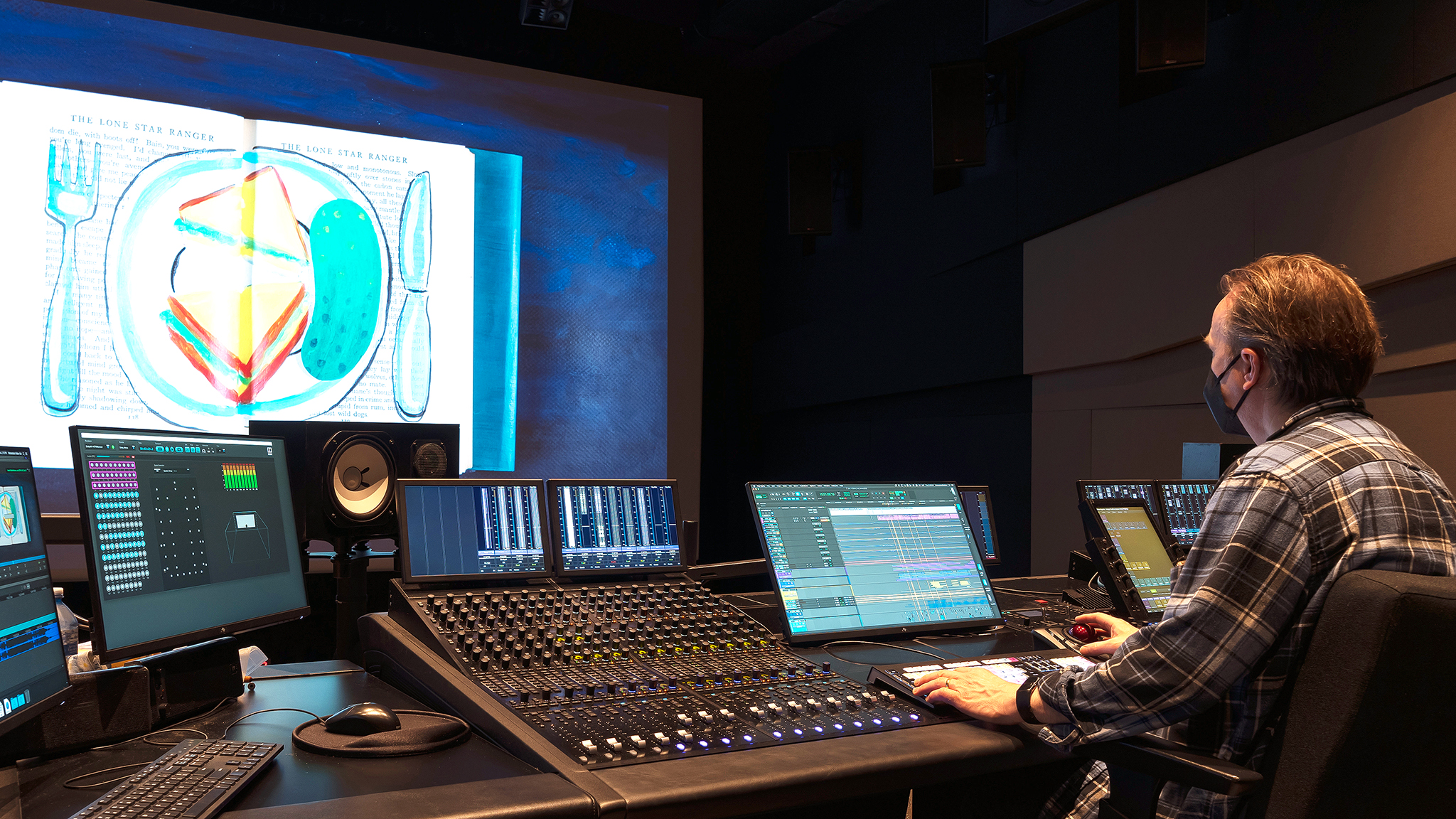
Sound Design and Its Hidden Influence
Film theory explained often focuses heavily on the visual, but sound may be cinema’s most manipulative tool. Studies have shown that the emotional impact of a film scene changes dramatically when the same visuals are paired with different sound design or music.