
Table of Contents
- What Is Africa Creative Market and Why Does It Matter?
- Who Are Collette and Esther?
- Why Zambia Is the Right Stage for This Conversation
- The African Creative Economy Is No Longer a Side Note
- Collette, Esther, and the Bigger Picture This Trip Represents
What Is Africa Creative Market and Why Does It Matter?

There is a particular kind of excitement that comes with watching African creatives pack their bags not for a Western stage, but for one built entirely on African soil, by Africans, for Africans. That is exactly the energy surrounding the upcoming Africa Creative Market 2026, which is set to take place in Zambia and is already generating serious buzz across the continent’s creative communities. At its core, ACM is a gathering designed around a single, powerful premise: that Africa’s creative economy is not only worth investing in, it is capable of sustaining itself, scaling globally, and producing world-class output on its own terms. The event draws together a wide cross-section of talent including artists, designers, filmmakers, entrepreneurs, industry executives, and cultural innovators who converge to share knowledge, build connections, and open doors that might otherwise remain closed.
ACM is not a typical conference where suits sit on panels and speak in vague corporate language. It is deliberately designed as a capacity-building platform where real conversations happen, real deals get made, and real skills get transferred. Workshops, masterclasses, pitching sessions, and networking events all form part of the programming, making it a genuinely practical experience for creatives at various stages of their careers. For many attendees, ACM has functioned as a launchpad - a place where a conversation in a hallway turned into a collaboration, or where a pitch in front of the right audience became a funded project. As the 2026 edition draws closer, the announcement that Nigerian creatives Collette and Esther will be attending has added another layer of anticipation to what is already a highly anticipated gathering.
Who Are Collette and Esther?

If you have been paying attention to the Nigerian creative space over the past few years, then Collette and Esther are not names you encounter for the first time here. Both women have carved out visible, respected presences within Nigeria’s creative and lifestyle ecosystem, each bringing her own distinct perspective and expertise to a generation of African talent that is rewriting the rules about what success in the industry looks like. Their individual journeys reflect the broader story of an African creative class that is increasingly confident, globally connected, and unapologetically rooted in its own culture and identity. Whether through content creation, brand work, community building, or advocacy for creative industries, these two represent exactly the kind of voices that ACM was built to amplify.
What makes their participation at ACM particularly compelling is the combination they represent. Both Collette and Esther are not simply creatives who produce great work in isolation - they are also communicators and connectors, people who understand that the value of a platform like ACM extends well beyond the individual. When someone like them walks into a room full of African innovators and industry players, the conversations that follow tend to ripple outward. Their presence at ACM 2026 signals something meaningful: that the event continues to attract participants who are not just looking to receive, but to contribute, collaborate, and help build the infrastructure that the African creative economy still needs.
Why Zambia Is the Right Stage for This Conversation
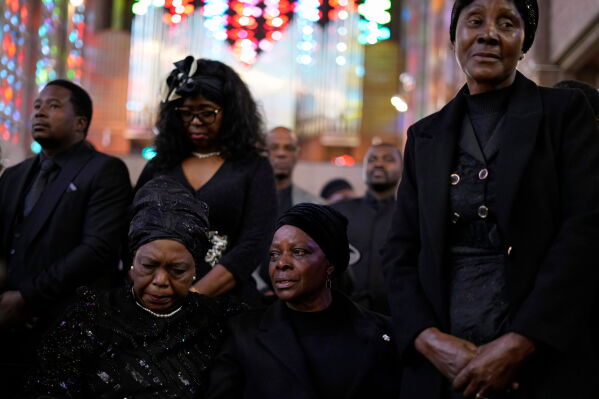
Lusaka may not be the first city that comes to mind when people think about Africa’s creative hubs, but hosting ACM 2026 in Zambia is a deliberate and intelligent choice that speaks to what the event is really trying to do. For too long, conversations about Africa’s creative economy have been concentrated in a handful of cities - Lagos, Nairobi, Johannesburg, Accra - leaving enormous swaths of the continent underrepresented in the broader narrative about where African culture is going. By planting its 2026 edition in Zambia, ACM is expanding that conversation geographically and making a statement that no single city holds a monopoly on African creative energy. Zambia has its own thriving arts and music scene, its own emerging entrepreneurial culture, and its own generation of young creatives who deserve access to the kind of networks and resources that ACM brings with it.