Celebrity Security in Nigeria: How Afrobeats Stars Navigate Fame and Safety in Lagos
Afrobeats

Celebrity Security in Nigeria: How Afrobeats Stars Navigate Fame and Safety in Lagos

Tristan MeloTristan Melo··11 min read
Advertisement

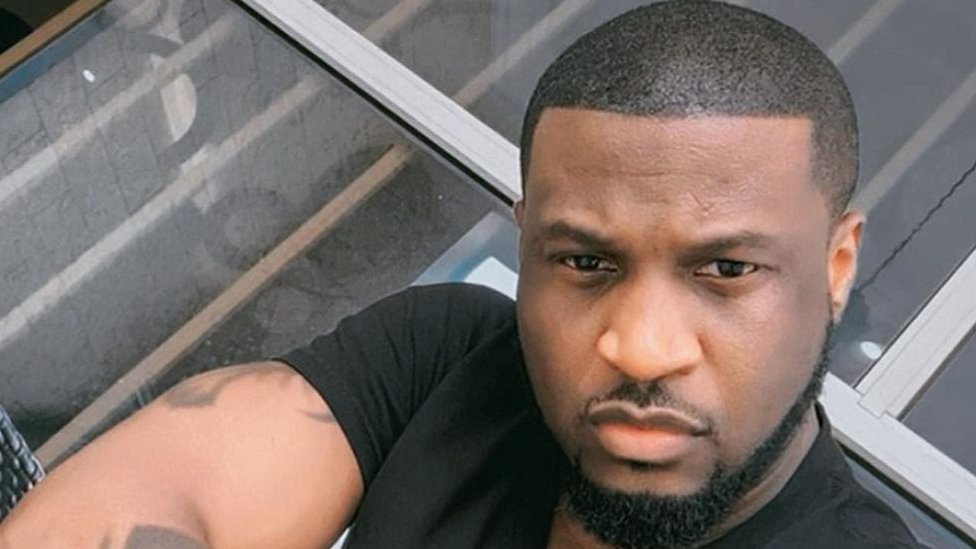
A video shoot wraps somewhere in Lekki. One of the most recognizable faces in Nigerian music gets into his car, heads home, and runs into a crowd gathered by the roadside. That was Peter Okoye’s Tuesday. On June 2, 2026, the P-Square star, known to fans as Mr P, posted on X that he had just left a shoot in the Lekki area when he came across a gathering where, in his words, he heard that a suspected bandit had been caught. “Omo, dem don enter Lagos o!” he wrote, capturing in one line of pidgin the unease swirling on social media since the previous day, when unverified rumours of criminal activity around Ibeju-Lekki spread online. Authorities described the circulating claims as unfounded, and no official confirmation of the suspect’s identity or the allegations has been published. But the post travelled fast, and Okoye later made clear he would keep speaking up about safety, telling critics he had every right to voice concern.

Strip away the specifics and what remains is a question every successful Nigerian entertainer eventually answers: when your face is your business, how do you move through a city of more than 20 million people without becoming a target? The answer is a shadow industry that has quietly professionalized alongside Afrobeats itself, and it costs far more than most fans realize.

Fame’s Double Edge in Lagos
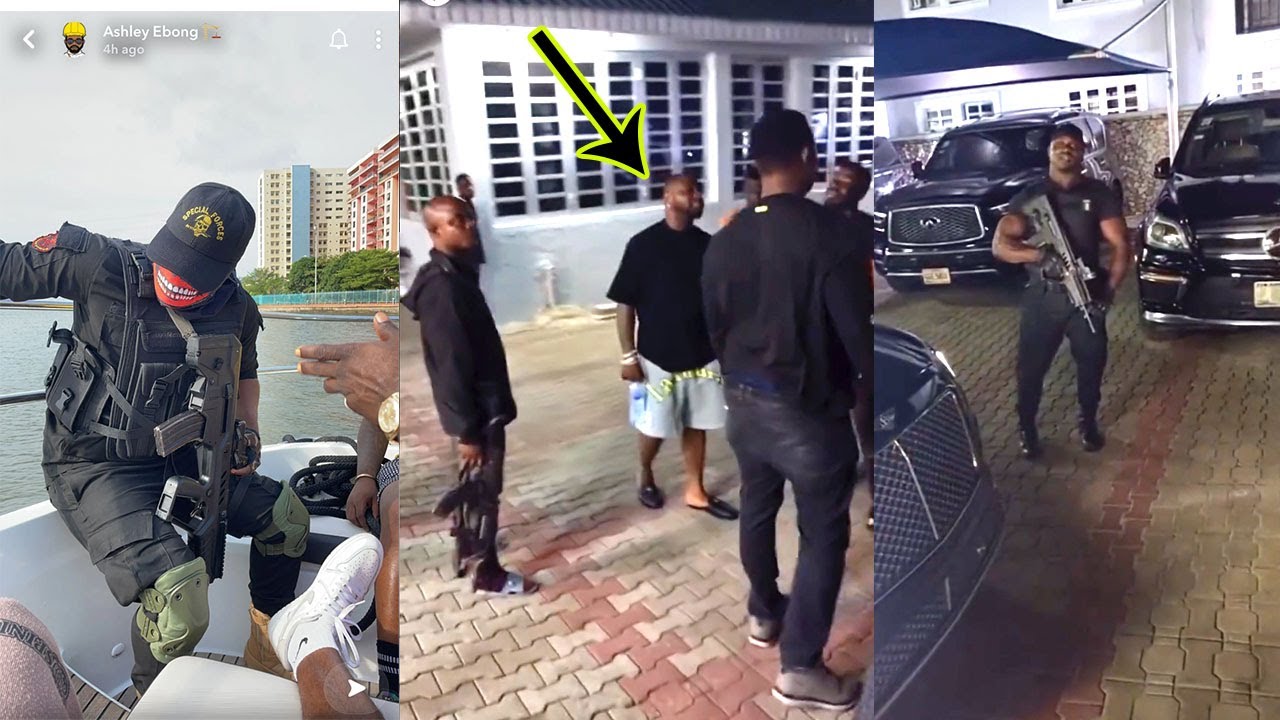
Celebrity Security in Nigeria - Fame's Double Edge in Lagos

Lagos made Afrobeats, and Afrobeats made its stars wealthy in a way that is impossible to hide. The genre’s whole aesthetic runs on visibility. The cars are filmed. The watches are zoomed in on. The mansion tours rack up millions of views. A Wizkid or a Davido does not have the option of anonymity that a similarly wealthy Lagos banker might enjoy, because recognition is literally the product.

That visibility cuts both ways. Security consultancies that operate in Nigeria are blunt about the risk profile for high-net-worth individuals in Lagos: the primary threats are not random street crime but targeted ones, including kidnap-for-ransom and surveillance-led robbery along predictable routes. ETS Risk Management, an international firm active in Nigeria, notes that exposure tends to concentrate on the corridors between the airport, the office and the home, exactly the routes a touring musician travels constantly. Nigerian police statistics give a sense of the wider backdrop without needing embellishment: in 2024 alone, the force reported rescuing 1,581 kidnap victims nationwide.

Nigerian celebrities have learned this the hard way, sometimes far from home. Davido was robbed of cash and two Rolex watches in South Africa in 2015. Yemi Alade was robbed in Abidjan in November 2023. Niniola was attacked by robbers at a restaurant in South Africa in 2018. The lesson the industry drew from a decade of these incidents was simple: fame travels, and so does risk. The stars who could afford it stopped treating security as an occasional hire and started treating it as fixed overhead.

The Economics of an Entourage
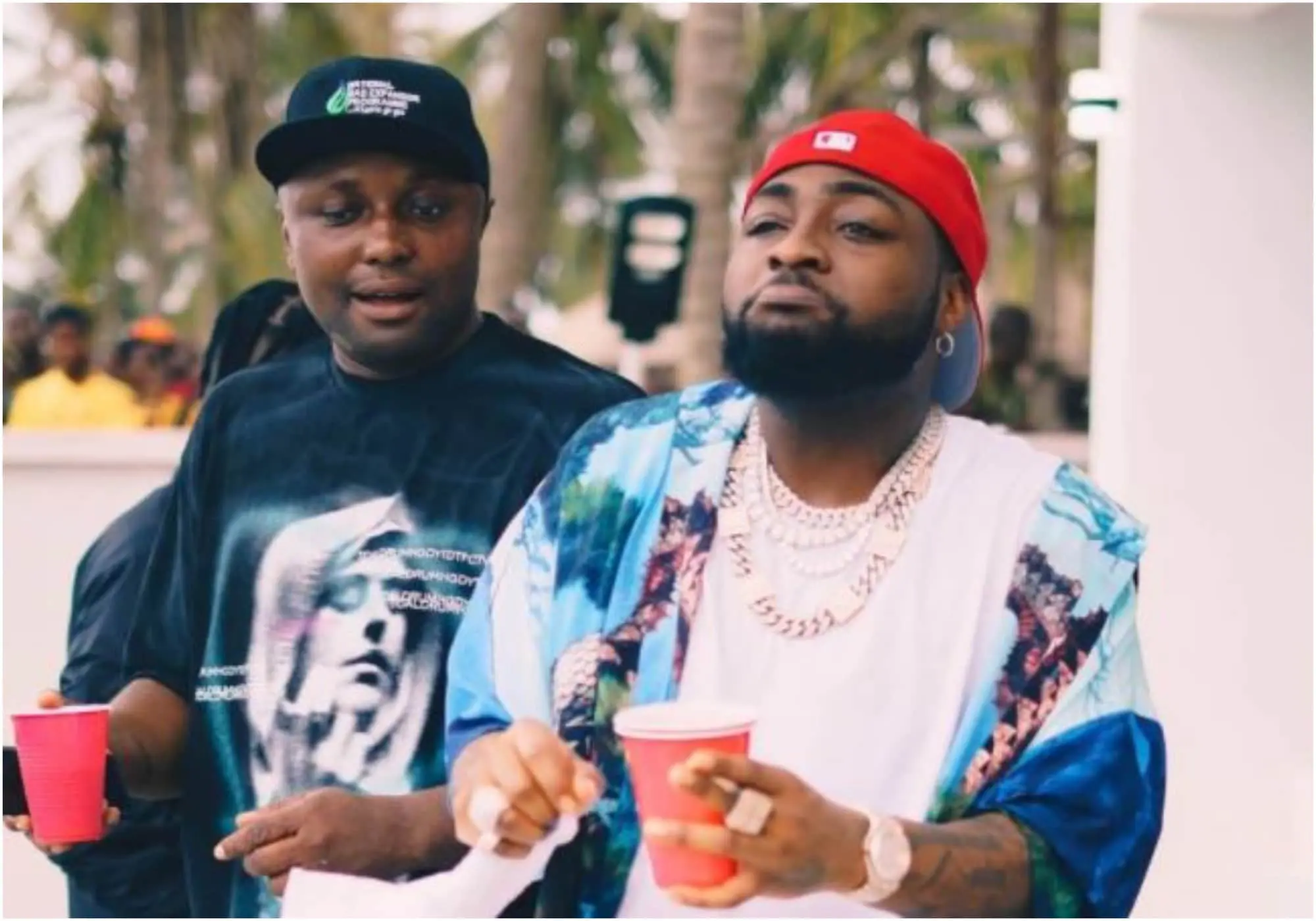
Celebrity Security in Nigeria - The Economics of an Entourage

So what does it actually cost to move like an A-list Afrobeats star? The honest answer is that nobody publishes an invoice, but the security industry’s own public pricing sketches the picture.

Start with personnel. Under Nigerian law, private security companies cannot carry firearms. Lawful armed protection comes only through the Nigeria Police Force, specifically units like the Police Mobile Force, widely known as MOPOL, and the Special Protection Unit. This is why the armed men you see flanking a Nigerian star at the airport are usually serving police officers on official attachment, not private contractors. Reporting by The Guardian Nigeria on the VIP protection economy cites figures in the range of 3 million to 5 million naira for high-profile clients, depending on personnel numbers and duration, while day-rate estimates for a single escort officer have been put at roughly 20,000 naira and up. Treat all of these as reported estimates rather than fixed tariffs.

Layer on the unarmed private side: close-protection officers, drivers trained in evasive techniques, advance men who check venues before the artist arrives. International firms operating in Lagos quote experienced protection specialists at rates that can reach 60 to 100 dollars per hour for top-tier personnel, which compounds quickly across a touring schedule.

Then come the vehicles, the single biggest line item. Armored SUVs have become a status-and-safety hybrid in Lagos and Abuja, and the prices are eye-watering. A brand new bulletproof Toyota Land Cruiser Prado with BR6-level protection has been listed in Nigeria at around 310 million naira. At the top of the market, an Abuja dealer made headlines in 2025 offering a fully armored new Land Cruiser at 585 million naira, with import duty and end-user certificate costs alone reported at roughly 230 million naira. Armoring specialists like INKAS market directly to the Nigerian elite, and dealers say private buyers from business and entertainment are an increasing share of the market.

Add residential security, CCTV, dogs, generators to keep it all running, and the picture becomes clear: serious protection in Nigeria is a multi-hundred-million-naira lifestyle commitment per year for those at the very top. It is one of the least discussed reasons the gap between Afrobeats’ superstar tier and its middle class feels so wide. The hits pay for the lifestyle; the lifestyle then demands the protection; the protection demands more hits.

The most famous illustration of how visible this machinery has become came in 2023, when videos of the convoy that picked Davido up from the airport in Asaba went viral, a line of exotic vehicles with visibly armed security that prompted fans to joke it surpassed a governor’s escort. Davido’s circle is itself a case study in the modern Afrobeats entourage: his longtime aide Isreal DMW is a celebrity in his own right, and his bodyguards have become recurring characters in fan content, filmed shielding him, lighting his path, clearing his way through crowds. The entourage is no longer backstage. It is part of the show.

The Estate Life: Celebrity Geography in Lagos
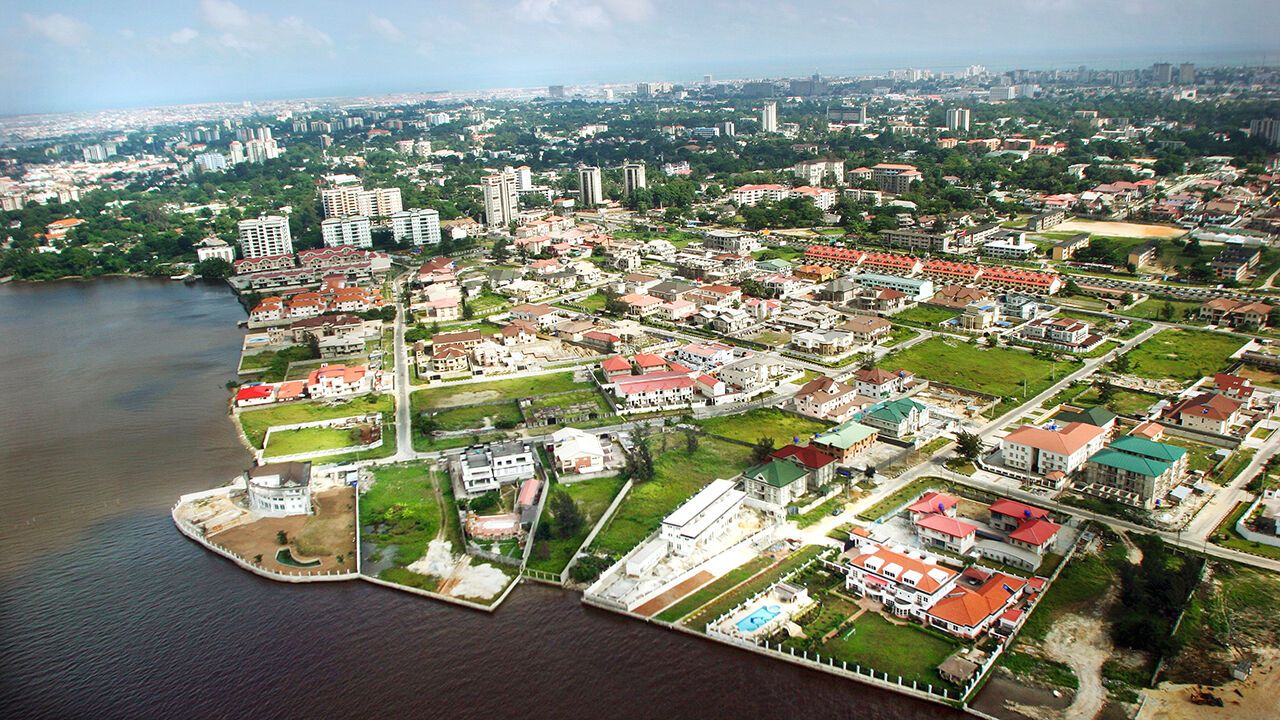
Celebrity Security in Nigeria - The Estate Life: Celebrity Geography in Lagos

If you map where Afrobeats lives, you are really mapping where security already exists. Banana Island in Ikoyi, the man-made island with a single controlled entry gate, 24-hour patrols and lagoon on all sides, has become the default address for the genre’s elite. Davido owns a Banana Island mansion reportedly purchased for over 1.5 billion naira. Don Jazzy holds property there and in Lekki. Both Okoye twins, Peter and Paul of P-Square, have long been associated with Banana Island homes. Wizkid’s Ikoyi residences have been the subject of breathless house-tour coverage, with valuations in the billions of naira.

The appeal is not just prestige. An island with one gate is a security product. The perimeter is the lagoon. Every vehicle entering is logged. For a celebrity, that buys something money struggles to purchase elsewhere in Lagos: the ability to relax at home.

One rung down the ladder sits Lekki, particularly Phase 1, where much of the Afrobeats creative class has clustered: artists, producers, video directors, label staff. Lekki offers gated estates rather than a gated island, which is precisely why Okoye’s post resonated the way it did. Lekki is where the industry actually works, where the studios and shoot locations are, and the idea that its sense of relative safety could be questioned, even by rumour, touched a nerve. The geography of Nigerian celebrity is, at bottom, a series of concentric security perimeters, and everyone in the industry knows exactly which ring they currently live in and which ring they are working toward.

Tour Buses, Venues and the December Crush
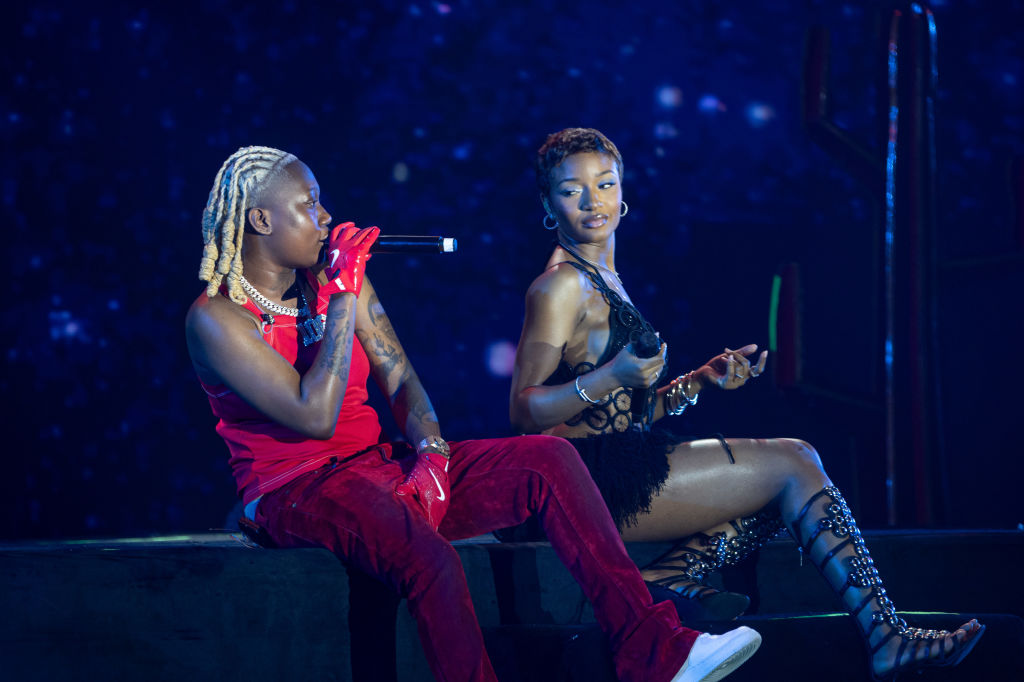
Celebrity Security in Nigeria - Tour Buses, Venues and the December Crush

Home is the easy part. The job is the hard part. An Afrobeats star at peak demand might do dozens of shows in a Nigerian December alone, and every one of them means leaving the perimeter.
Advertisement

December, the famed Detty December season, is the annual stress test. Major promoters have responded by professionalizing fast. Flytime Fest, which stages its multi-night runs at Eko Convention Centre in Victoria Island with headliners like Burna Boy, Asake, Davido, Rema and Ayra Starr, operates in a controlled, indoor, ticketed environment for exactly this reason. Livespot, which built its own purpose-designed venue in Lekki, publicly emphasizes professional security, crowd control, on-site medical support and surveillance as part of its standard production package. At the top end, the loosely managed open-field megashow is giving way to venues designed around control.

Artist-side protocols have hardened too. The standard playbook now involves advance teams scouting venues, dedicated stage-side security, planned arrival and departure windows, and rapid extraction the moment a set ends. Fans sometimes complain that stars no longer linger. The security logic is unsentimental: the most dangerous minutes of any show are the ones immediately after the last song, when the artist’s location is known to thousands of people simultaneously.

The risks of getting venue security wrong are not theoretical, and they do not always come from outside. In June 2021, an altercation at Cubana nightclub in Victoria Island involving Burna Boy’s entourage ended with two clubgoers shot, and the Lagos police detained five officers who had been attached to the singer while investigating members of his crew over the shooting. The episode became a reference point across the industry, a reminder that an armed entourage is a liability as well as a shield, and that the people protecting a star can generate the very headlines the star fears most.

Social Media: The Risk Multiplier

Celebrity Security in Nigeria - Social Media: The Risk Multiplier

Every security professional working with Nigerian talent will, if asked, point at the same problem: the phone in the client’s own hand.

Afrobeats flexing culture is a targeting gift. Real-time location tags tell anyone watching exactly where a star is right now. Jewellery close-ups establish what is worth taking. Mansion tours map interiors. Car content catalogues the fleet. The same posts that build a fanbase build a surveillance file, free of charge, updated daily by the subject himself.

The savvier stars have adjusted. Watch closely and you will notice the quiet tactics: posting from a location only after leaving it, scrubbing identifying backgrounds, keeping children off the feed, going dark while travelling and flooding the timeline afterwards. None of this is announced. It is simply visible in the pattern, an operational discipline learned from incidents that happened to peers. The irony is sharp: an industry built on radical visibility now teaches its biggest names the art of strategic invisibility.

How It Compares Globally

Celebrity Security in Nigeria - How It Compares Globally

Nigerian stars are not unusual in spending heavily on protection. They are unusual in the environment they spend it in. In the United States, celebrity security is a mature, expensive industry: estimates compiled by security firms put Taylor Swift’s protection spending around 400,000 dollars, Jennifer Aniston’s around 240,000 dollars, and a full 24-hour residential detail with multiple guards at as much as 2.5 to 3 million dollars per year. Beyonce and Jay-Z’s combined security apparatus has been estimated in the tens of millions.

The structural differences matter more than the totals. An American star’s protection is almost entirely private, built on licensed armed contractors. A Nigerian star’s armed layer must, by law, run through the police, which makes protection partly a relationship with the state rather than a pure market purchase. American celebrity risk skews toward stalkers and crowd incidents; the Nigerian threat model, per the security firms that publish assessments, is weighted toward financially motivated, planned crime. And purchasing power cuts brutally: an armored vehicle that is a luxury in Los Angeles can cost more in Lagos once import duty enters the equation, in an economy where the artist’s core streaming income is denominated in weaker currency. Pound for pound, a Nigerian superstar likely pays a higher share of earnings for a comparable sense of safety than almost any peer in the West.

Before You Can Afford the Wall

All of this describes the top one percent of the industry. The average rising act in Surulere or Yaba has none of it. What do they do?

Mostly, they do what young Lagosians have always done: move smart. They roll in groups. They lean on the unofficial protection of community, the area knowing and claiming them. They keep the jewellery modest until the money is real, or wear pieces that look the part without carrying the price. They let the label or promoter’s venue security cover show nights and accept exposure the rest of the time. Some attach themselves to bigger artists’ camps partly for the slipstream of an existing security apparatus, one of the unspoken perks of signing to a major Nigerian label or joining a superstar’s crew.

There is also a discernible career milestone hiding in plain sight: the first bodyguard. In Afrobeats, hiring visible protection is a status signal as legible as a first Range Rover. It announces that an artist now has something worth protecting, which is precisely the paradox of the whole system. The protection advertises the wealth that creates the need for protection.

The Quiet Professionalization

Step back and the trend line is unmistakable. Ten years ago, Nigerian celebrity security was largely improvised: a strong friend, an off-duty officer, a driver who knew the back routes. Today there is a genuine ecosystem. Nigerian firms market executive protection and escort services as packaged products. International risk-management companies maintain Lagos operations with secure transport fleets. Armored vehicle manufacturers run Nigerian sales channels. Estate developers sell security as the headline amenity. Promoters bake crowd-control budgets into festival economics. Even the bodyguards themselves are becoming brands, with Davido’s protection detail generating its own fan content and follower counts.

That professionalization tracks the money. Afrobeats is now a global export with global revenues, and global revenue attracts the same protective infrastructure that surrounds wealth everywhere. The difference is that in Nigeria the industry had to build much of that infrastructure from scratch, in real time, while the genre exploded around it.

Which brings it back to Peter Okoye, easing through Lekki traffic after a video shoot, phone in hand, posting what he saw. Two decades into one of the most successful careers in African music history, with the gated address and every resource fame can buy, his instinct in that moment was the same as any other Lagosian behind that crowd: omo. The walls, the convoys and the trained men at the door can manage risk, but they cannot quite retire it, and every star in Lagos knows it. That knowledge, as much as the money, is what keeps the quiet machinery of celebrity protection growing year after year.

Advertisement
Share
Get the recap

Loved this story? Get more like it.

Join readers who get our weekly entertainment recap - the stories worth your time, delivered every Friday.

No spam. Unsubscribe anytime. By signing up you agree to our Privacy Policy.

Celebrity Security in Nigeria: H... | Sidomex Entertainment