
Table of Contents
- The Night Itself
- A Career Built on Realness
- The Charcot-Marie-Tooth Factor
- What Made the Farewell Set List So Special
- The Fans Who Showed Up
- The Stetson Stays on the Shelf Now
The Night Itself

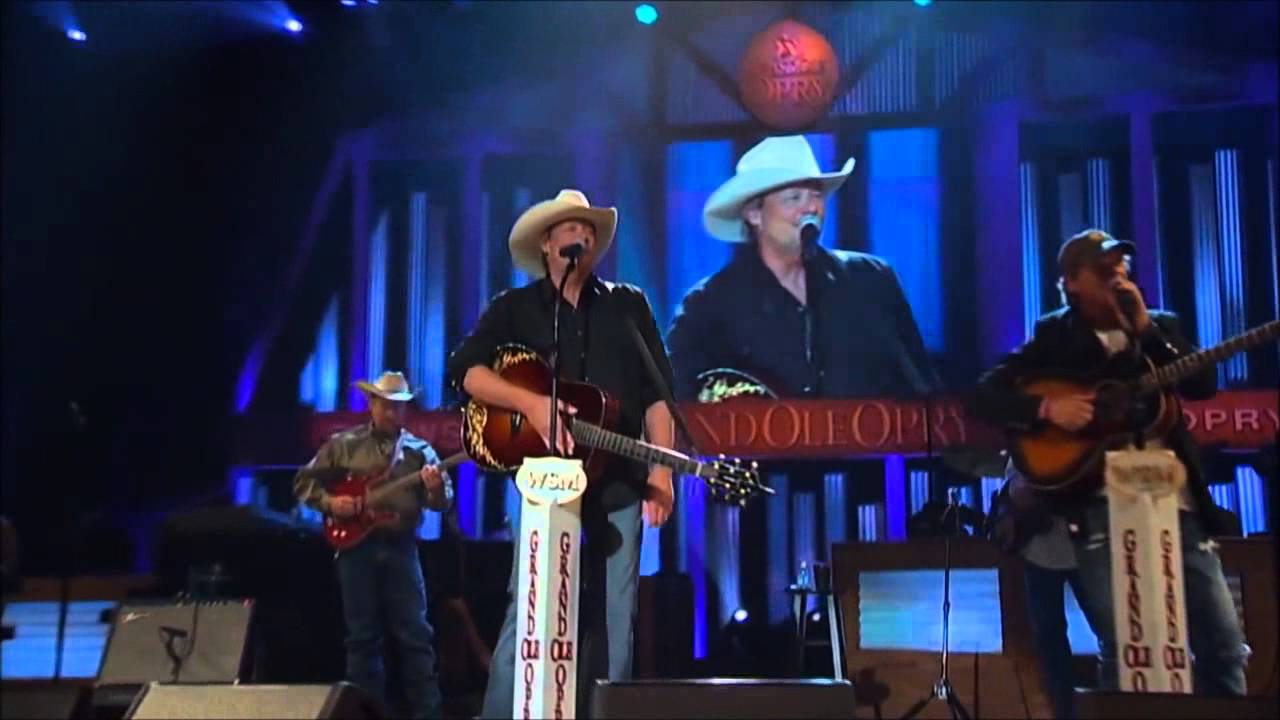
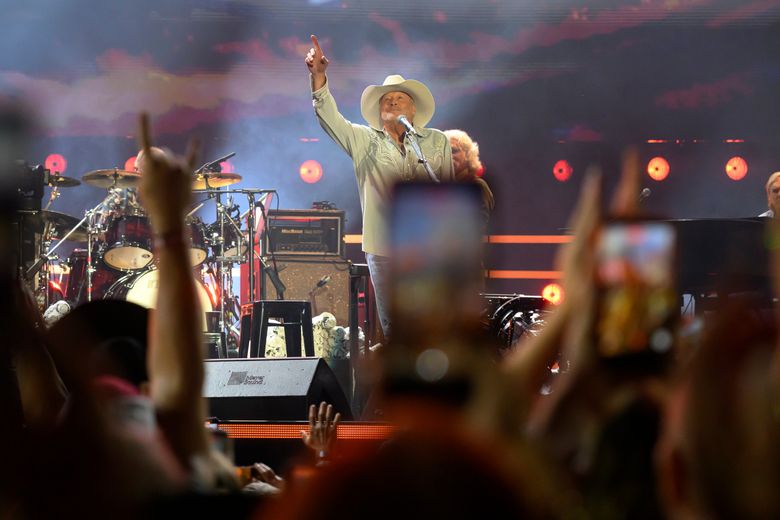
There are concerts, and then there are concerts that feel like the closing of a door that will never reopen. Alan Jackson’s farewell finale landed squarely in the second category. Fans who packed into the arena knew they were not simply watching another show - they were witnessing the deliberate, graceful conclusion of one of the longest and most respected careers in country music history. The energy was less about spectacle and more about something far more powerful: genuine love between an artist and the people who kept him on the charts for over three decades. It was the kind of night that country music does better than almost any other genre - raw, communal, and deeply felt.

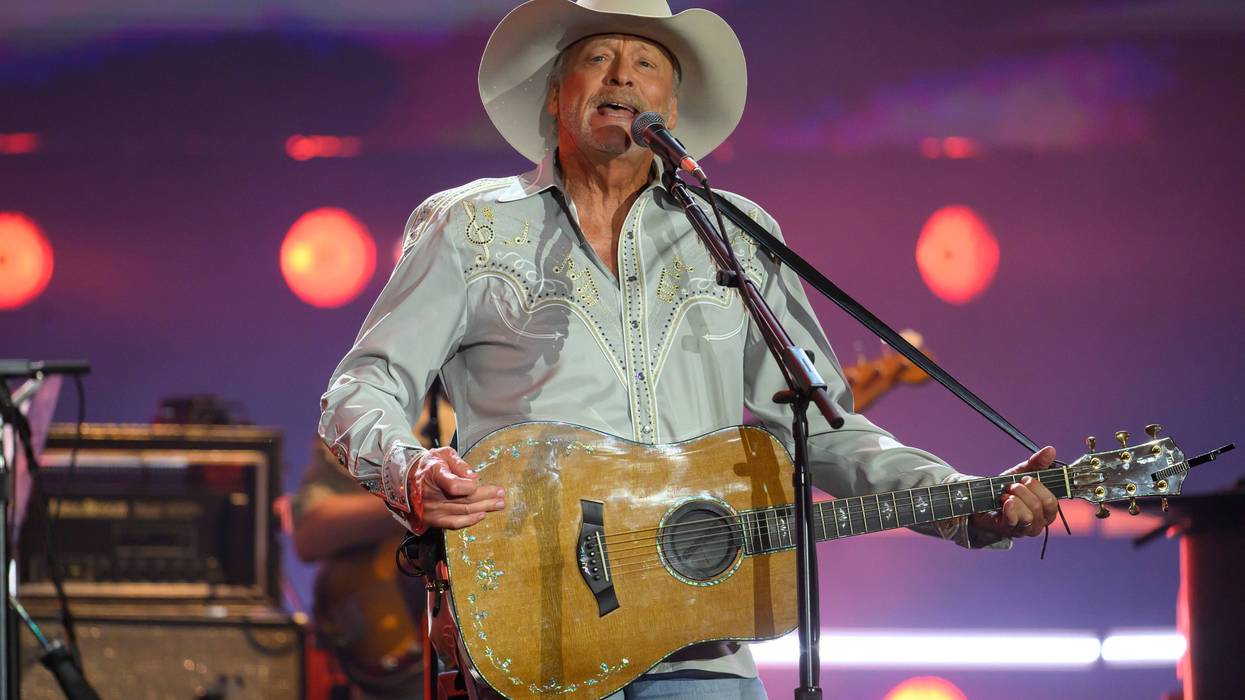
From the moment Jackson walked out in his trademark Stetson hat, the crowd made clear this was no ordinary send-off. The atmosphere was part celebration and part something heavier - the bittersweet recognition that certain things, once finished, simply do not come back. Jackson, true to form, did not play into theatrics or manufacture emotion. He let the songs do the work, which has always been his greatest gift. That understated confidence, the sense that the music speaks loudly enough on its own, is exactly what built the legend in the first place.
A Career Built on Realness
To understand why this farewell carries such weight, you have to understand where Alan Jackson came from and what he represented at a time when country music was pulling in multiple directions at once. Jackson burst onto the scene in 1989 with a debut album that immediately signaled he was not interested in chasing crossover trends or softening country’s edges for mainstream radio. He had grown up in Newnan, Georgia, listening to the classic sounds of Hank Williams and Merle Haggard, and he wore those influences openly. His early hits like “Here in the Real World” and “Wanted” positioned him as a keeper of traditional country values at a moment when many of his peers were flirting with pop-country hybrids.

Over the following decades, he racked up statistics that most artists only dream about - more than 50 number-one singles on the Billboard Hot Country Songs chart, over 80 million records sold worldwide, induction into the Country Music Hall of Fame in 2017, and a trophy cabinet stacked with CMA and ACM awards. But the numbers, impressive as they are, have always felt secondary to the cultural position Jackson carved out. Songs like “Chattahoochee,” “Remember When,” and the post-September 11 reflection “Where Were You (When the World Stopped Turning)” did not just chart - they became part of the American emotional fabric. That last song in particular, written and recorded just weeks after the 9/11 attacks, demonstrated a songwriter who could translate collective grief into something healing without ever being manipulative about it.
The Charcot-Marie-Tooth Factor

The farewell tour has an additional layer of meaning that goes beyond career milestones and nostalgia. In 2021, Jackson publicly revealed that he had been diagnosed with Charcot-Marie-Tooth disease, a progressive neurological condition that affects the peripheral nerves, causing muscle weakness and coordination difficulties over time. The disclosure was characteristically straightforward - Jackson told NBC’s “Today” show about the diagnosis in an interview that made headlines precisely because it was so honest and unguarded. He acknowledged that the condition was affecting his stability on stage and that he wanted fans to understand why they might notice physical changes in his performances.

The decision to continue touring after that revelation - and ultimately to close out his career on his own terms with a proper farewell - speaks to the determination that has defined Jackson’s entire professional life. He did not quietly fade from view or cancel shows without explanation. He showed up, kept performing, and gave his audience the closure that genuine fans deserve. There is something quietly profound about an artist choosing to be transparent with the people who made his career possible, and then honoring them with one last full commitment before stepping back. It reframes the farewell not as a defeat but as an act of integrity.