

Embracing mathematics is important if you’re a Singapore citizen, and it can be seen in the various maths levels being taught at all education levels in the country. This is because maths is important in daily life and many career opportunities are based on maths and numbers.
Maths is Used in Daily Life
Aside from reading, writing, and comprehension, children are exposed early to maths - learning simple addition and subtraction and how to count. From there, the learning progresses to more maths exposure such as advanced maths concepts, leading eventually to other mathematical branches like fractions, algebra, and calculus. Maths is important because it has a lot of applications in daily life.
As children grow up, they learn to calculate the travel time needed to reach a destination or calculate the distance and time between school and home. They learn to compare the best prices between items when buying something. They even learn to measure the right proportions when cooking. No matter where you turn, you can find maths in daily life.

In adult life, people learn to manage their finances, the optimal amount of salary to save and spend, calculate compound interest rates on bank accounts for the best returns, manage credit cards, and manage investment returns for better profits in the long term. Looking at all of the above, this is why it is important to start children early with maths tuition in Singapore.
This is to build up their maths foundation, reinforce what is taught in school, and equip them to overcome weaknesses and difficulties so they are not left behind in class while achieving academic excellence for a better future.
Importance of Problem-solving and Critical Thinking
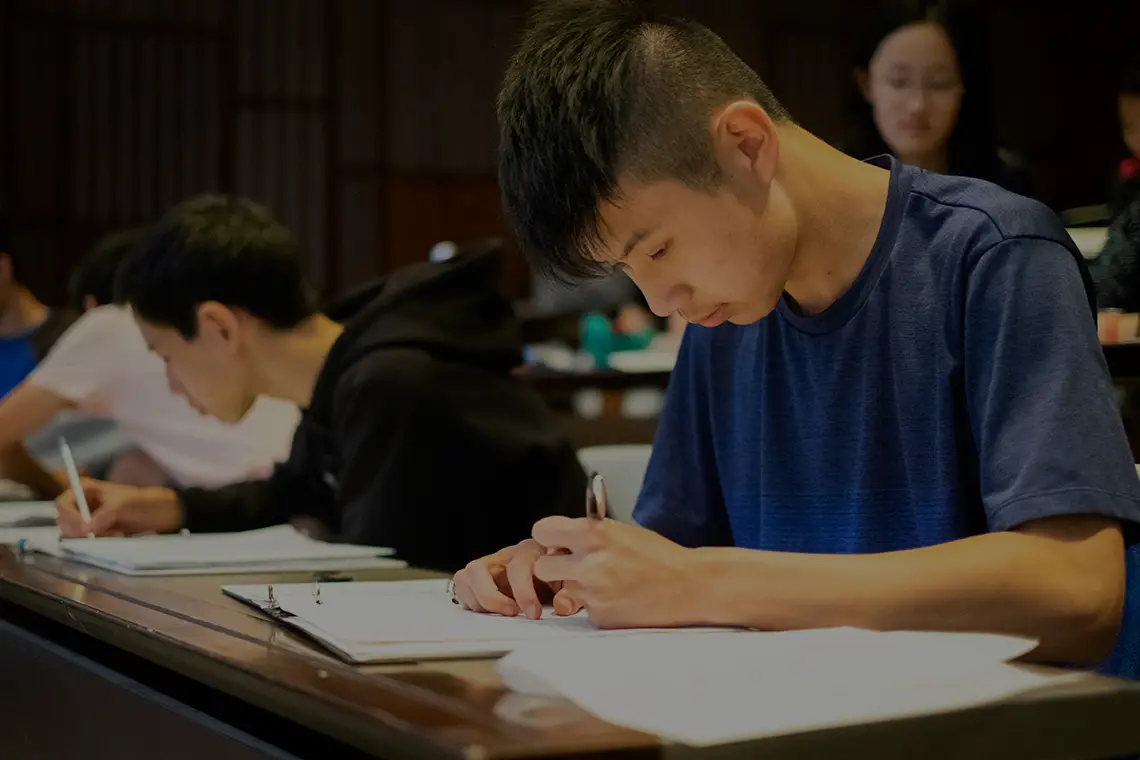
Problem-solving and critical thinking are important maths skills instilled in Singapore students because of the ever-shifting global economy and digitalized technology. All this requires novel and often unorthodox solutions to ever-changing problems. Thus, students, today find themselves thrust into a demanding and competitive world that requires a lot of critical thinking and problem-solving at almost every turn.
Beyond this, even maths plays a role in art such as music. Maths and music complement each other. Music often activates the same areas in the brain that are involved in solving maths problems. Musical arranging and progression utilize some maths elements like time signatures.