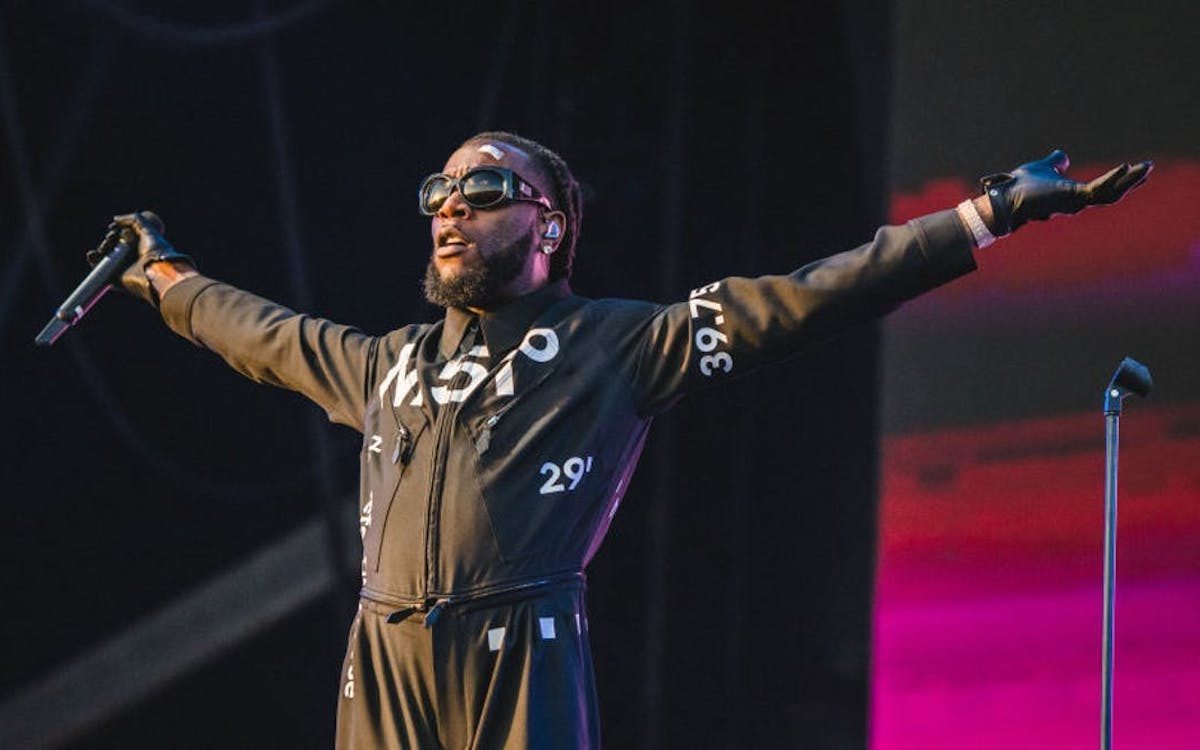
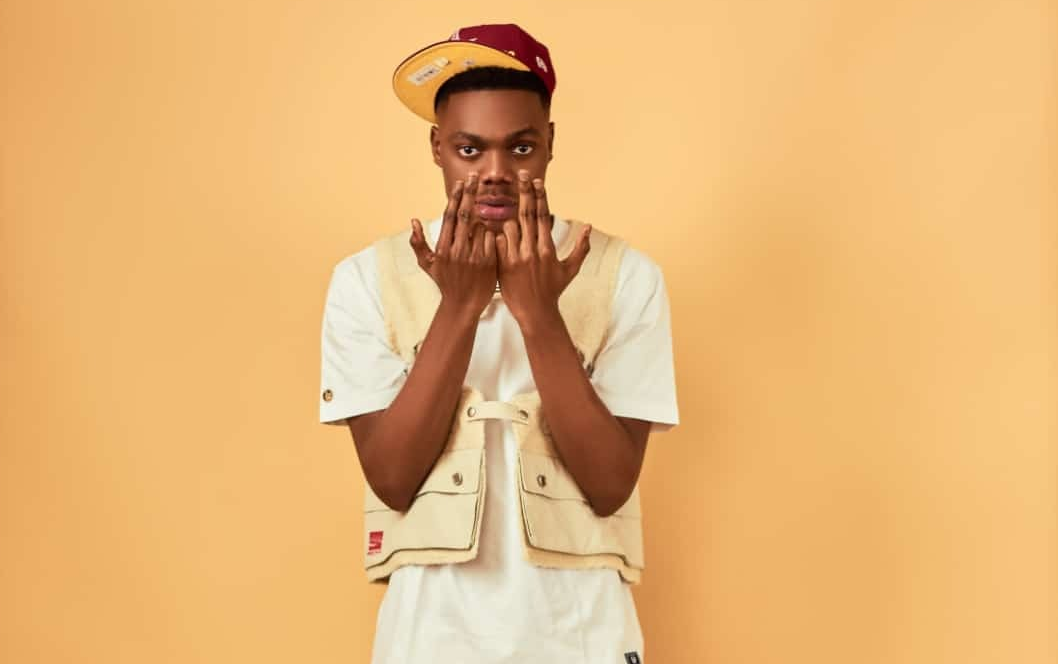

Burna Boy spent the back half of the 2010s refusing a label. Critics kept calling him Afrobeats. He kept correcting them. He was Afrofusion, he said: an artist pulling dancehall, reggae, R&B, soul, jazz and hip-hop into an African rhythmic base, and refusing a single genre tag built for streaming algorithms.
That act of self-naming has aged into one of the most important genre arguments in contemporary Nigerian music. It now explains a great deal of what is happening at the top of the country’s charts, from Asake’s Yoruba and amapiano hybrids to Tems’ soul-soaked balladry to Rema’s hip-hop pivot. Afro-fusion stopped being one man’s preferred description and became a working label for a generation of Nigerian artists who never wanted to be boxed in.
The Burna Boy Origin Story
Before Afrofusion was a playlist tag or a marketing line, it was an argument. Burna Boy began using the word publicly around the rollout of his 2018 album Outside, and he doubled down on it through the press cycle for 2019’s African Giant. His logic was simple. The Afrobeats umbrella, as the global music industry was using it, flattened too many different sounds into one marketable export. His catalogue had reggae bones, dancehall swagger, Fela-style horn arrangements and rap cadences sitting next to one another, sometimes on the same track. Calling all of that Afrobeats felt, by his reasoning, like calling jazz, blues and gospel the same thing because they all came out of Black America.
African Giant became the textbook Afrofusion record. “Anybody” leaned on a soul vocal over a polyrhythmic groove. “Gum Body” with Jorja Smith was almost a downtempo R&B duet with African percussion underneath. The album was nominated for Best World Music Album at the 2020 Grammys and lost.
The follow-up, Twice as Tall, arrived in 2020 with Diddy among its executive producers and won the Grammy the year after. The album leaned harder into the Afrofusion thesis. “Way Too Big” sounded like a stadium anthem stitched together from gospel, hip-hop and Afrobeat. “Real Life” with Stormzy showed the sound could absorb UK rap without losing its African centre. Inside Nigerian music circles the win was read as vindication of the entire argument: you could insist on being something other than Afrobeats and still take the global prize that the Afrobeats box was supposed to qualify you for.
What Burna Actually Means by Afrofusion
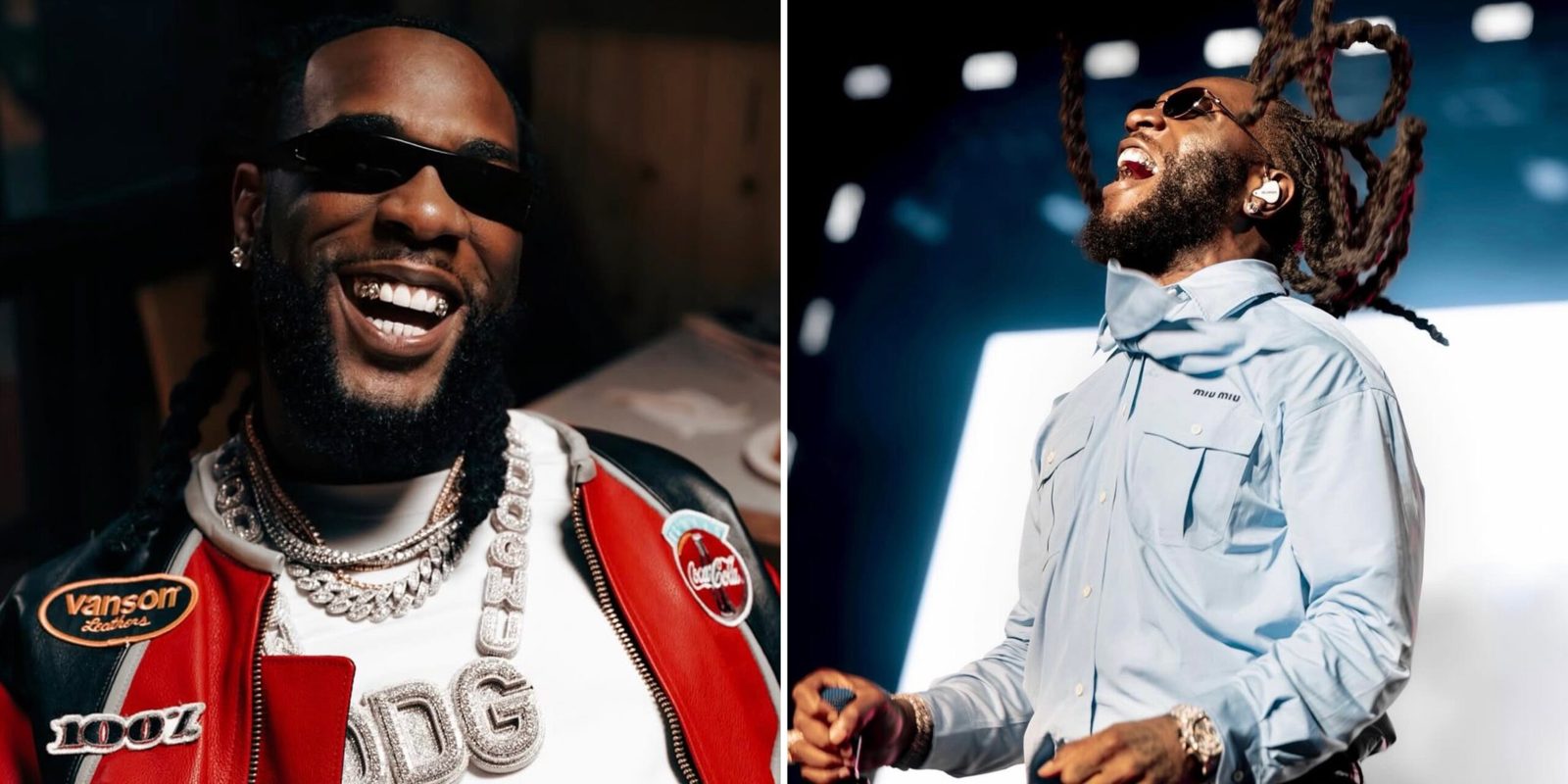
His working definition has stayed consistent across interviews. The base is African. Not specifically Afrobeats, and not specifically Fela’s Afrobeat with its political horn-section heritage, but African in the sense that the rhythmic and melodic instincts come from the continent. Everything else is a borrowed colour. The fusion is not a 50-50 split. The African base stays load-bearing and the borrowed elements decorate the groove.
That definition draws a clean line between Afro-fusion and pop that happens to feature an African artist. A Western rap record with a Nigerian guest verse is not Afro-fusion simply because the guest is Nigerian. An Afro-fusion track is one where the African rhythmic identity stays at the centre even as the song wanders through other genres.
Afrobeats vs Afro-Fusion: The Working Difference
The cleanest way to separate the two is to listen for what the song is built around. Afrobeats, as it has hardened into a commercial category, is rhythm-led. The drum pattern is the engine and the melody serves the groove. Songs like Davido’s “Fall,” Wizkid’s “Joro” or Rema’s “Dumebi” sit firmly in this lane. The groove is the point, and the lyrics and topline decorate the rhythm without overpowering it.
Afro-fusion inverts that priority. The song may still have an African rhythmic bed, but the melodic or harmonic work carries equal or greater storytelling weight. Burna Boy’s “Last Last” qualifies because the sample of Toni Braxton’s “He Wasn’t Man Enough” does the emotional lifting alongside the drum pattern rather than behind it. Tems’ “Free Mind” qualifies because the song is essentially a neo-soul ballad breathing inside a loose Afro-percussion frame.
Streaming tagging adds to the confusion. The major services have tended to file genre-crossing African records under the broadest available African category, because consolidation makes playlisting easier. That is the flattening artists have objected to for years. A song doing genre-crossing work gets dropped into a playlist alongside hundreds of tracks that share none of its DNA.
Why Artists Prefer the Fusion Label
There is a business case for insisting on Afro-fusion over Afrobeats, and it is not only ego. A regional genre tag tends to route a song into regional editorial playlists and keep it out of the mainstream pop, R&B, hip-hop and dance playlists where the listener base is far larger. A record successfully repositioned as global pop can sit in rooms a regional tag never opens.
That is why so many of the biggest Nigerian artists have spent recent years pushing back on the Afrobeats label in interviews and in their press materials. It is partly an identity argument and partly a market-access argument. Tems, Wizkid, Burna Boy and Asake have all, at different points, asked critics to stop describing them only as Afrobeats artists.
The Grammy Category Debate
Nothing has crystallised the argument more publicly than the Grammy category wars. The Recording Academy added Best African Music Performance for the 2024 ceremony, which felt like a win until artists read the fine print. The category recognises a single song, not an album. The album-level prize, Best Global Music Album, still groups African records with music from across the wider global south.
Burna Boy won Best Global Music Album for Twice as Tall at the 2021 ceremony. Tyla won the first Best African Music Performance in 2024 for “Water.” Davido’s Timeless and Asake’s Work of Art were both shut out of the album category in their respective years, which sparked another round of arguments about whether the global music album category is doing African artists any favours.
The Afro-fusion framing matters here because it is the artists’ strongest argument for being considered in the bigger pop, R&B and rap races. If a Nigerian artist is co-writing for a Beyoncé album, that work is sitting inside global pop rather than inside a regional African category. The fusion label is the lever artists use to make that case.
The Asake Variant: Yoruba Meets Amapiano
Asake’s arrival in 2022 with Mr. Money With the Vibe opened a different doorway into Afro-fusion that did not run through Burna Boy’s template. His sound rests on three load-bearing elements: Yoruba vocal traditions, especially the call-and-response and choral stacking that comes out of Fuji and church music; amapiano, the South African house derivative with its log-drum signature and patient mid-tempo grooves; and a layer of contemporary Afrobeats drum programming that keeps the songs club-functional.