
Suno's New Artist Incubator Is Putting Real Money Behind Indie Musicians - Here's What We Know
Music

Suno's New Artist Incubator Is Putting Real Money Behind Indie Musicians - Here's What We Know

Jalen RossJalen Ross··7 min read
Advertisement

Table of Contents

What Is Suno and Why Does It Matter?

Suno New Artist Incubator - What Is Suno and Why Does It Matter?

If you have spent any time on music forums or social media over the past couple of years, you have probably heard the name Suno floating around in conversations about the future of how music gets made. Founded in 2022 and based in Cambridge, Massachusetts, Suno is an AI-powered music generation platform that allows users to create full songs – complete with vocals, instrumentation, and production – by simply typing in a text prompt. The platform quickly gained a massive following among hobbyists, content creators, and curious listeners who wanted to experiment with music without needing years of formal training or access to expensive recording studios. What started as a fascinating tech experiment has grown into one of the most talked-about companies sitting at the intersection of artificial intelligence and creative culture.
Suno AI music generation platform branding
Image: ElevenLabs

The platform’s appeal is easy to understand. Suno essentially democratizes the production side of music, offering a low barrier to entry for anyone who has ever hummed a melody in the shower but never had the tools to turn it into a proper track. Within months of its public launch, the platform was reportedly generating millions of songs for its users, a number that highlighted both the appetite for this kind of technology and the speed at which AI tools were reshaping creative industries. Of course, this rapid rise did not come without controversy – more on that shortly – but the core idea behind Suno resonated with a generation that grew up watching technology disrupt every other industry and wondered when music would be next.

Breaking Down the Artist Incubator Program
Suno New Artist Incubator - Breaking Down the Artist Incubator Program

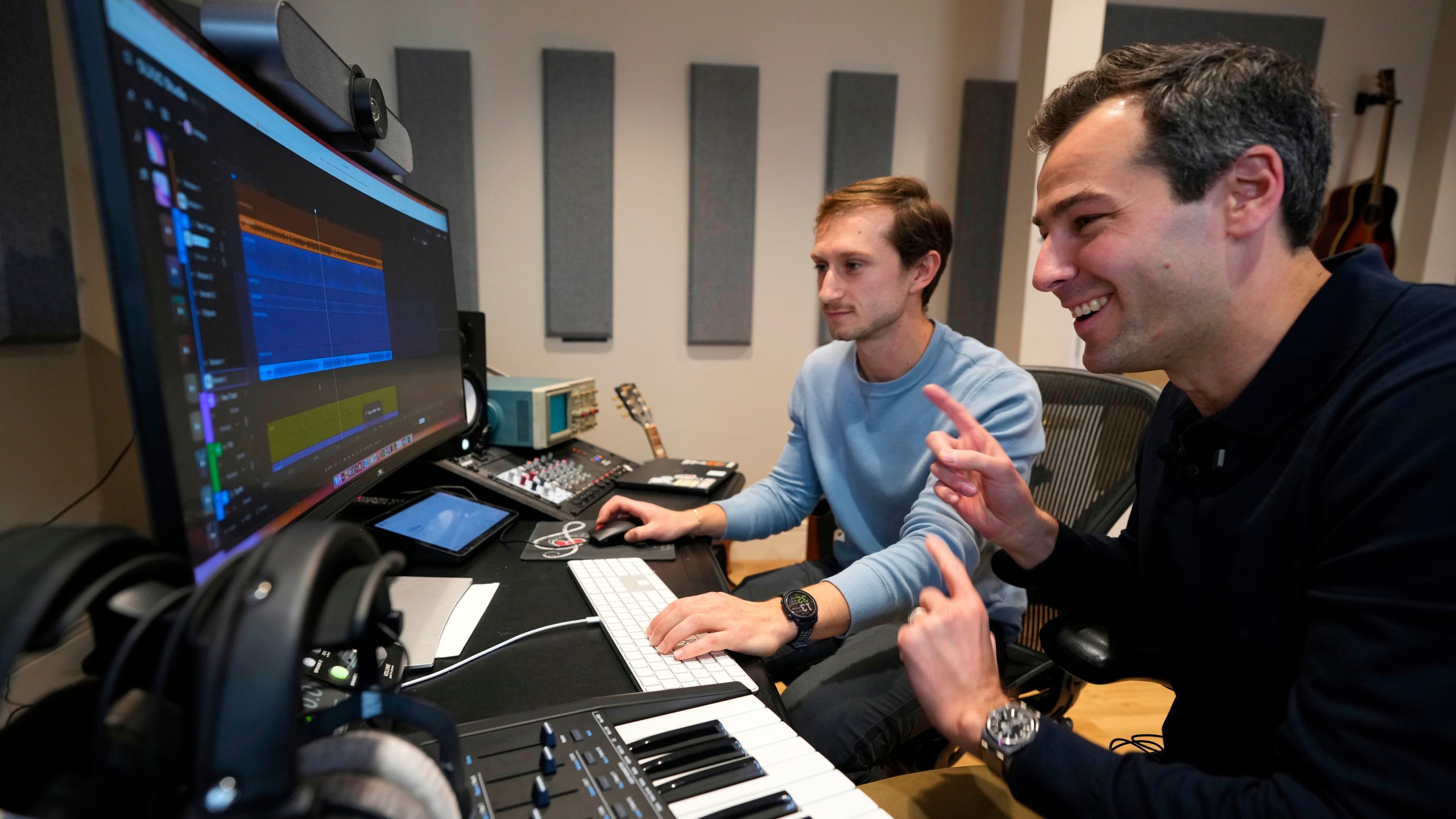
Now, Suno is making a move that nobody in the independent music world saw coming, and it is a bold one. The company has officially launched what it is calling an Artist Incubator, a structured program designed to support independent musicians by offering a combination of financial grants and dedicated marketing resources. The initiative targets indie talent specifically – the kind of artists who are out here grinding, building fan bases one stream at a time, navigating the brutal economics of the modern music industry without the backing of a major label deal or a heavyweight management team. For those artists, access to even a modest grant and some professional-level marketing support can be genuinely transformative.

Suno artist incubator program for independent musicians
Image: Web Education Services

The details of the program, while still emerging, point toward Suno positioning itself not just as a tool for generating music, but as an active participant in nurturing careers. The incubator is framed around giving selected artists both the financial breathing room and the visibility infrastructure they need to take their sound to the next level. Think of it as Suno essentially saying it wants a seat at the table in the business of artist development, not just in the business of music generation. This is a significant pivot in how an AI music company chooses to define its role in the ecosystem, and it raises some genuinely interesting questions about where the boundaries between technology platform and record label are starting to blur.

A $400 Million War Chest and What It Signals
Suno New Artist Incubator - A $400 Million War Chest and What It Signals

The timing of this incubator announcement is not accidental. Just weeks before revealing the program, Suno announced the completion of a staggering $400 million Series D funding round, a development that sent shockwaves through both the tech and music industries. Series D rounds typically signal that a company is well past the experimental phase – investors at this stage are not betting on a concept; they are betting on a scaling machine. For Suno, pulling in that level of investment suggests that its backers believe the platform is positioned to become a foundational piece of how music gets created, distributed, and even discovered going forward. Four hundred million dollars buys a lot of runway, and the Artist Incubator looks like one of the first major strategic moves made with that capital in mind.

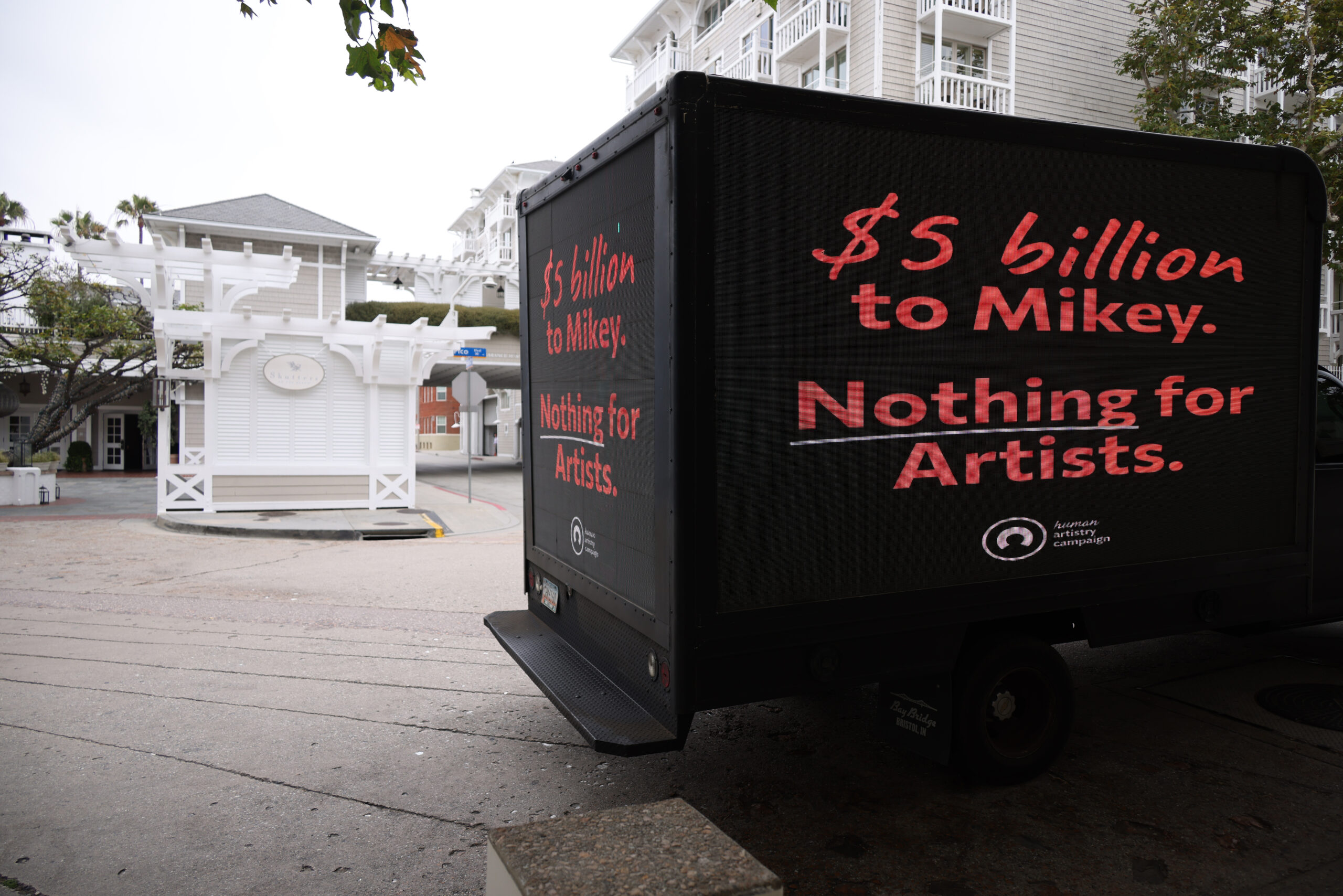
What is particularly interesting about this moment is that Suno is using its newfound financial muscle to make a play for artist goodwill at a time when the relationship between AI music companies and human musicians has been, to put it diplomatically, strained. By investing directly in independent artists through grants and marketing programs, Suno appears to be sending a message that it sees human creativity and AI-generated music as complementary rather than competing forces. Whether the broader music community will accept that framing remains to be seen, but from a strategic standpoint, it is a smart move. Money talks, and artists who benefit from the incubator are far more likely to become advocates for the platform than critics of it.
Advertisement

What This Means for Independent Artists in 2025

Suno New Artist Incubator - What This Means for Independent Artists in 2025

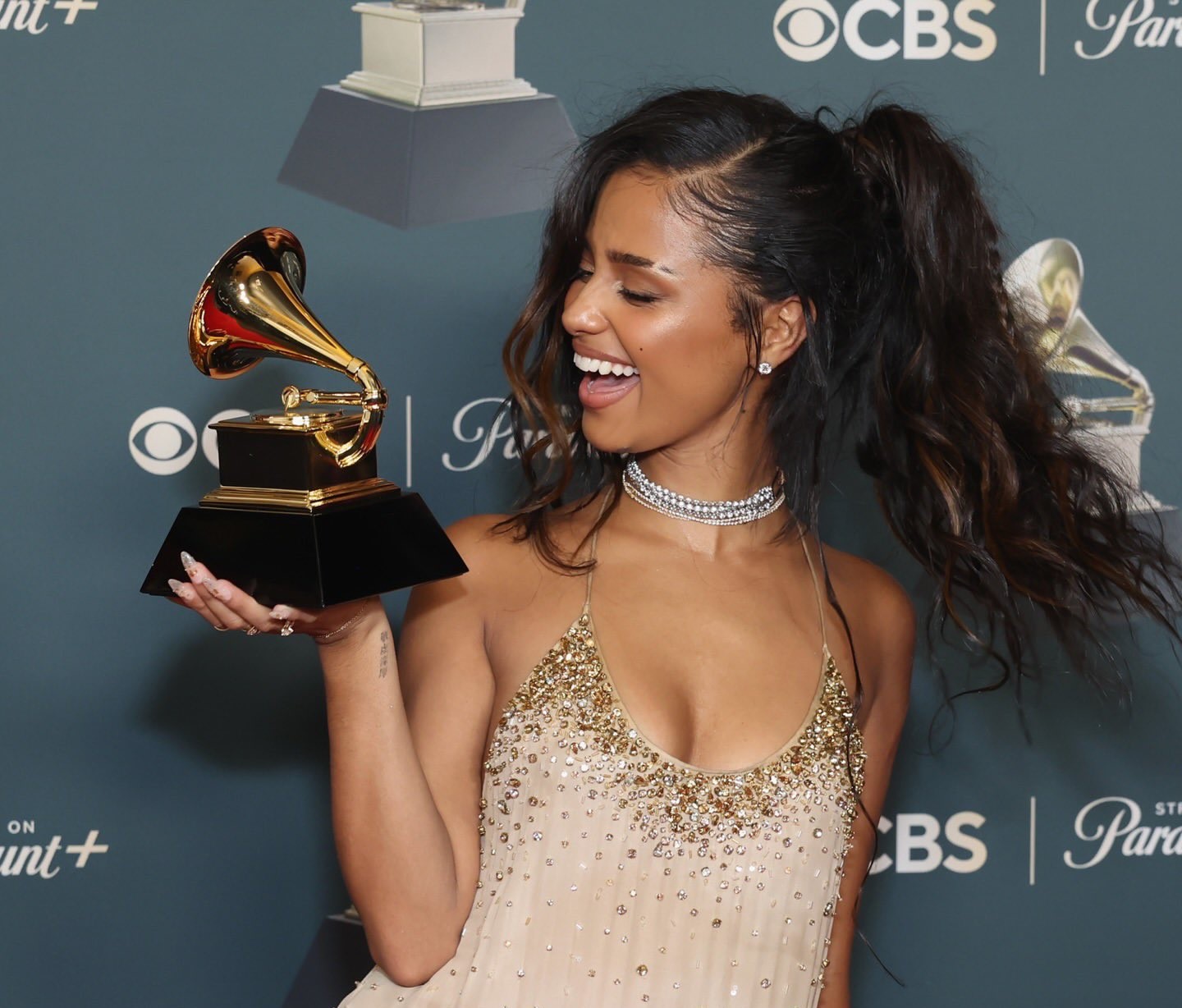
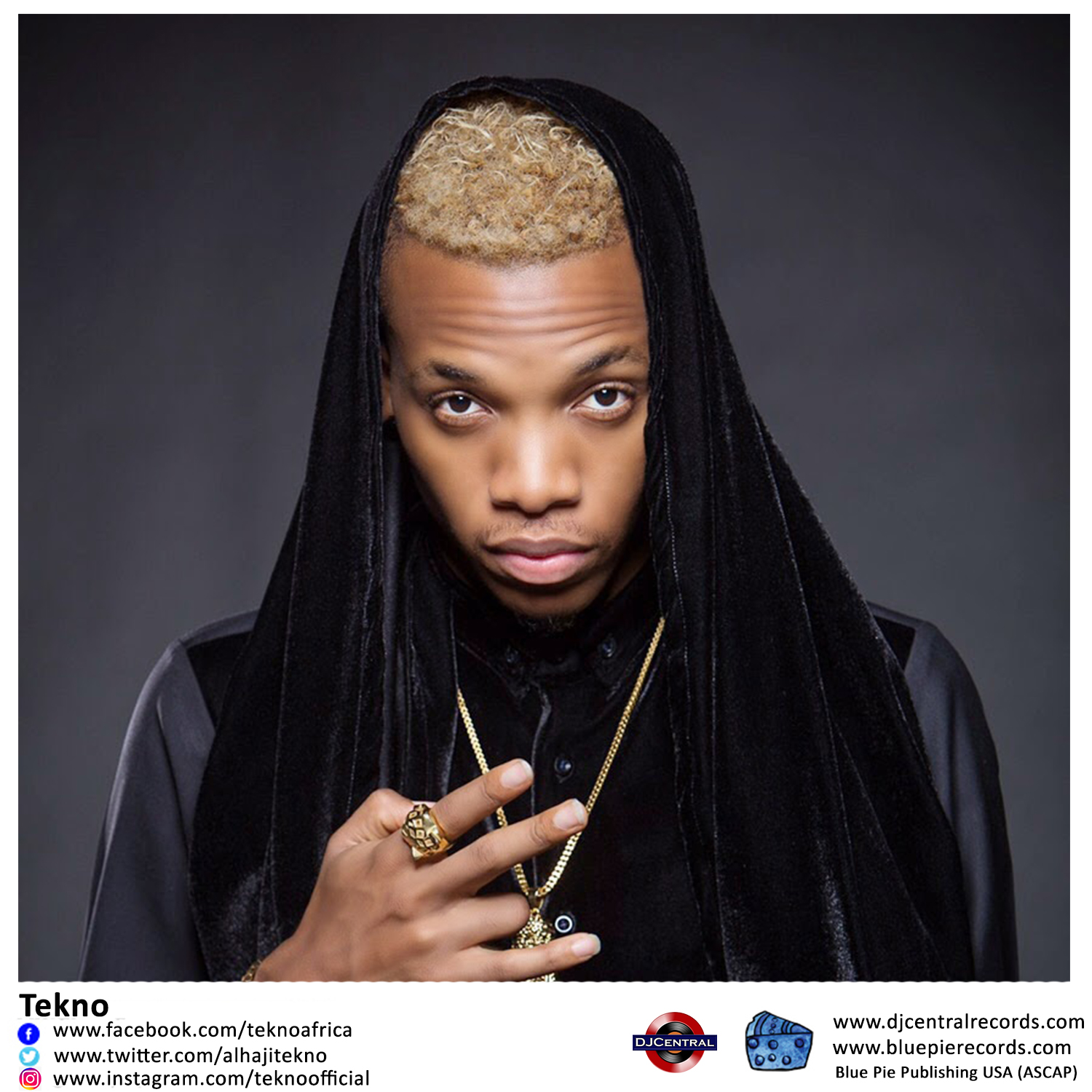
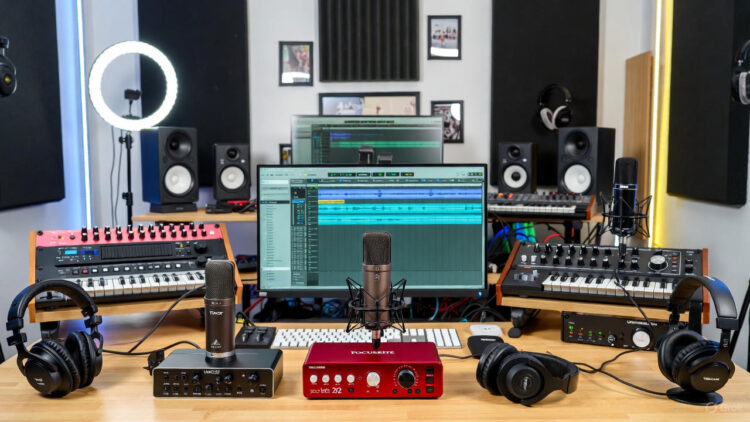
The independent music landscape in 2025 is both more exciting and more brutal than it has ever been. On one hand, platforms like Spotify, Apple Music, Tidal, and a growing number of regional streaming services have made global distribution accessible to virtually any artist with a laptop and an internet connection. On the other hand, the sheer volume of content being uploaded every single day means that discoverability has become one of the most significant challenges facing indie musicians worldwide. Getting your music out there is no longer the hard part. Getting anyone to actually hear it – and then building a sustainable career from that attention – is where the battle is being fought right now.

Independent artist working in a music studio
Image: Exposed Vocals

This is precisely why the Suno incubator, if executed well, could be genuinely meaningful for indie artists rather than just a PR exercise. Grants provide artists with financial security that allows them to invest time in their craft without being forced to take on side work that pulls them away from music. Marketing support – especially the kind backed by a well-funded tech company with access to data and digital distribution networks – can help an artist punch well above their weight in terms of visibility. For artists working in genres like Afrobeats, Amapiano, Afropop, and other African music forms that are currently experiencing massive global momentum, access to this kind of infrastructure could accelerate careers that might otherwise take years longer to break through internationally. The incubator does not appear to be geographically restricted to American artists, which opens up the possibility of a genuinely global talent development story unfolding here.

The Elephant in the Room: AI Music and Industry Pushback

Suno New Artist Incubator - The Elephant in the Room: AI Music and Industry Pushback

It would be irresponsible to write about Suno without addressing the very real controversies that have followed the company since it gained mainstream attention. In 2024, Suno found itself at the center of a major legal battle when the Recording Industry Association of America (RIAA) filed a copyright infringement lawsuit against the company on behalf of several major labels, alleging that Suno had trained its AI model on copyrighted recordings without obtaining proper licensing or permission. The lawsuit is part of a broader wave of legal action targeting AI companies across multiple creative industries, from visual art to literature, and it has made many working musicians deeply skeptical of platforms like Suno, regardless of how user-friendly or innovative they might be.

RIAA copyright lawsuit against AI music companies
Image: Music Week

The Artist Incubator program arrives in this legally and ethically complicated context, and some will inevitably read it as an attempt by Suno to rehabilitate its image within the music community. That reading is not entirely unfair. At the same time, it is worth considering that these two things can both be true at once: Suno can be a company with legitimate legal questions hanging over it and also a company that is genuinely trying to build something useful for independent artists. The music industry has never been short of complicated relationships between power, money, and creative labor. What matters most to artists considering the incubator will likely not be the philosophical debate about AI ethics but the practical reality of whether the grants and support actually deliver results for their careers.

The Bigger Picture for Global Music

Zoom out from the legal debates and the funding announcements for a moment and what you see is a music industry in the middle of a genuinely historic transition. AI is not going to replace the emotional authenticity of a great Burna Boy performance or the storytelling precision of a Kendrick Lamar verse. What it is doing – and what Suno represents in a very concrete way – is reshaping who gets to participate in music creation, who gets to access professional-level production, and how the business of artist development might function in the years ahead. A company like Suno launching an incubator is a sign that AI music platforms are starting to think about their role in the creative economy in more complex terms than simply building a better playlist generator.

For fans, music lovers, and industry watchers, this is a moment worth paying close attention to. The Suno Artist Incubator is small news today, but the model it represents – AI companies actively investing in human creative talent as a business strategy – could become a significant template for how the tech and music worlds learn to coexist. Whether that future looks like a genuine partnership or a quiet form of dependence will depend on how much agency artists retain within these programs and how transparent companies like Suno are about the terms of engagement. The money is on the table. Now the question is what artists have to give up – or gain – to reach for it.

Advertisement
Share
Get the recap

Loved this story? Get more like it.

Join readers who get our weekly entertainment recap - the stories worth your time, delivered every Friday.

No spam. Unsubscribe anytime. By signing up you agree to our Privacy Policy.

Suno's New Artist Incubator Is P... | Sidomex Entertainment