
How Nigerian Food Culture Is Spreading Globally Thanks to Afrobeats and Nollywood
Image: Premium Times Nigeria
Lifestyle

How Nigerian Food Culture Is Spreading Globally Thanks to Afrobeats and Nollywood

Miki AndersonMiki Anderson··10 min read
Ad SpaceArticle Top - 728x90
Advertisement

Suya seasoning now turns up on mainstream Western grocery shelves rather than only in Nigerian-owned shops serving customers who already knew what to do with it. That shift is small on its own, but it points at something much larger. Across London, New York, Houston, Atlanta, Toronto and Paris, Nigerian food has been having the kind of moment that food cultures usually need a generation to engineer. Restaurants are opening fast enough to lose count. Michelin inspectors are paying attention. Cookbooks are landing at major trade publishers. And the engine pushing most of it forward is not a tourism board or a chef collective. It is two of the most powerful cultural exports any country has produced in the last decade: Afrobeats and Nollywood.

The soundtrack opened the kitchen door

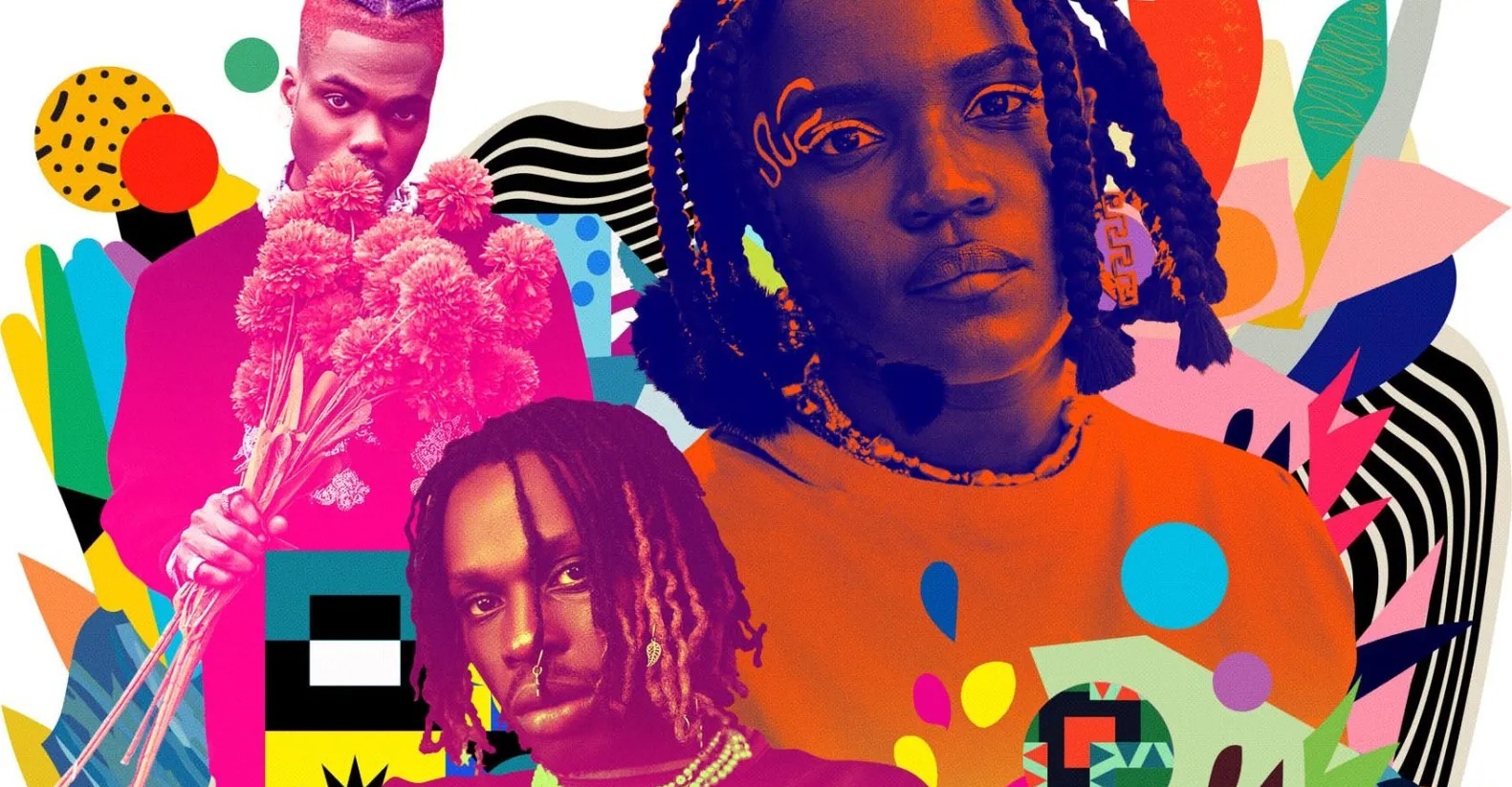
Afrobeats did not set out to sell jollof rice. Its job was to make people dance. But every breakout song carries an entire world inside it, and the lyrics of Burna Boy, Wizkid, Davido, Tems, Asake and Rema are crowded with food. Suya gets name-checked. Egusi shows up in album skits. Pepper soup gets sung about like a love interest. When a listener in Manchester or Berlin hears a reference to small chops or pepper soup in passing, the next move is usually a search engine. That search is the front door, and comment sections under Afrobeats videos have become accidental food forums, full of people asking what suya tastes like and where to buy it locally. The fanbase came for the rhythm. A good share of them stayed to learn the menu.

Why the discovery vector matters

Food movements usually need an institutional sponsor. French cuisine had Escoffier and the Michelin tire company. Japanese cuisine had government-funded Cool Japan campaigns. Korean cuisine had a deliberate, decades-long cultural export strategy backed by Seoul. Nigerian food never had that. What it has instead is something arguably stronger: a music industry with global streaming reach, one of the highest-output film industries in the world by number of titles, and a diaspora numbering in the millions that has been waiting its entire life for the world to catch up.

The discovery vector flips the usual order. Most people meet Italian food before they meet Italy. Most people met Nigerian music before they met Nigerian food. That sequence is unusual, and it shows in the way newcomers approach a plate of egusi for the first time. They arrive curious rather than cautious. They already trust the culture that produced it, which removes most of the work a new cuisine normally has to do.

Nollywood built the visual library

Where Afrobeats supplied the name-drops, Nollywood supplied the pictures. Nigerian films, whether a glossy streaming feature or a low-budget straight-to-video comedy, return again and again to the same visual anchor: the family dining table. The matriarch ladling stew into enamelware bowls. The akara seller frying bean cakes in a black cast-iron pan at six in the morning. The pounded yam ritual, two hands and a wooden mortar, sweat and rhythm. Film scholars would call these establishing shots. In hindsight they look more like recruitment.

Netflix’s Nigerian catalogue widened the reach further. Titles including King of Boys, Blood Sisters, Lionheart, Anikulapo and Jagun Jagun all carry food scenes with a confidence that does not stop to explain itself. A character orders amala and ewedu and the camera lingers on the dark green slipperiness of the soup. There is no subtitled glossary. The viewer in Sao Paulo or Stockholm is left to either ignore the moment or, increasingly, screenshot it and start searching.

The Lionheart effect, quietly

When Genevieve Nnaji’s Lionheart arrived on Netflix as the platform’s first original film from Nigeria, food critics did not pay much attention. The film is set inside an Igbo family business and food sits in nearly every interior scene. Onugbu soup. Garri. Roasted corn. By the time Nollywood had its second major streaming wave in the early 2020s, food was no longer accidental backdrop. It was being shot like a co-star, with the lighting and the close-ups that implies.

That visual familiarity is a large part of why a diner walking into Chuku’s in Tottenham or Dept of Culture in Bedford-Stuyvesant does not feel like they are entering an unknown cuisine. They have already seen the bowls. They have seen the steam. The work of selling the room has been done by a thousand film scenes they barely registered watching.

London became the proving ground

London moved first and moved hardest. The city holds one of the largest Nigerian populations anywhere outside Nigeria, and a restaurant culture aggressive enough to absorb any cuisine willing to fight for a table. Chuku’s, opened by siblings Emeka and Ifeyinwa Frederick in Tottenham, branded itself as the world’s first Nigerian tapas restaurant. The format was an instant translator. Small plates demystified a cuisine that can intimidate first-time diners with its sheer scale. Suya skewers. Plantain waffles. Moin moin in small portions. The London listings press wrote about it the way people once wrote about the first wave of small-plates Spanish cooking.
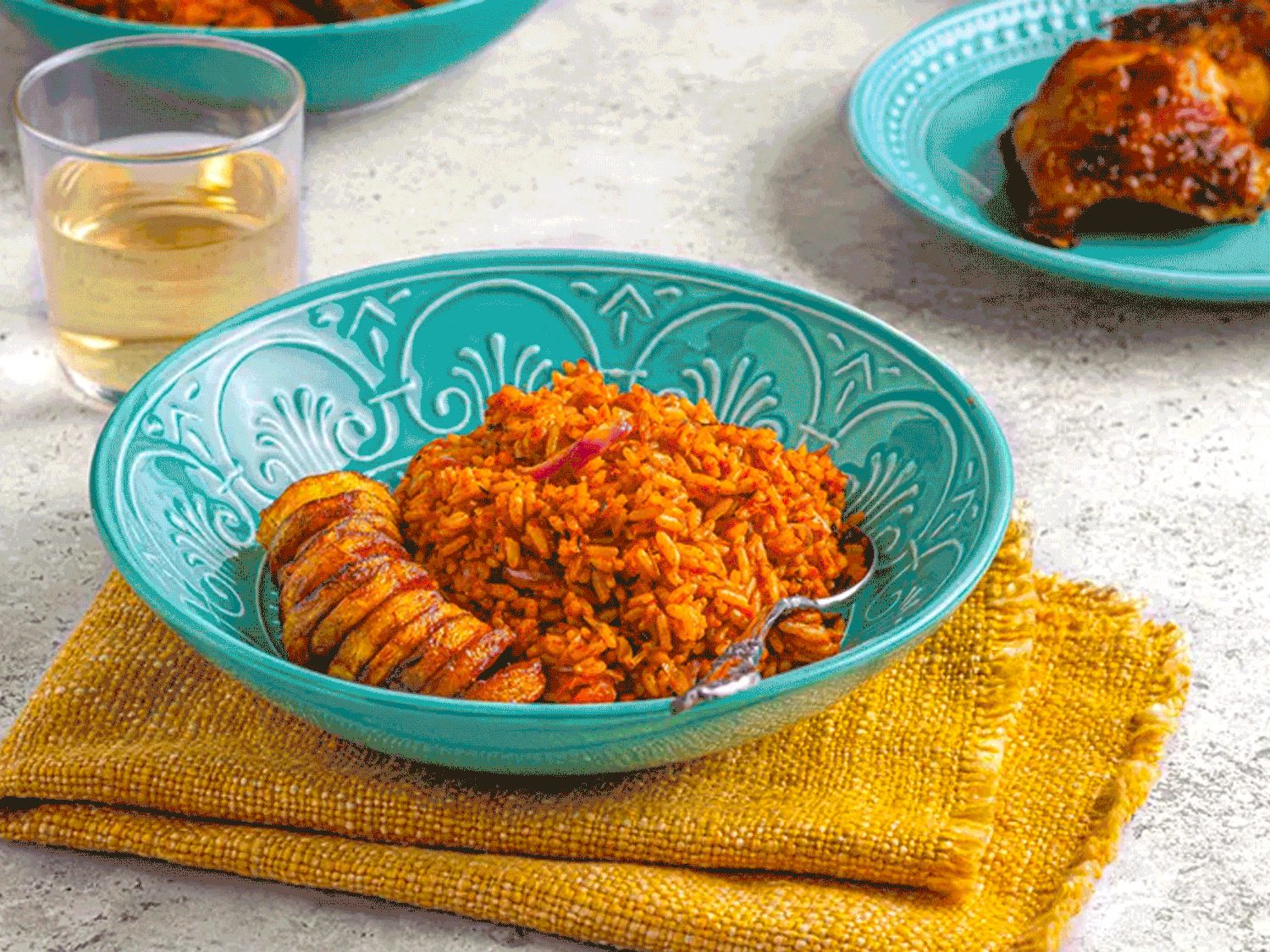
Nigerian food
Image: Serious Eats

Then came Akoko on Berners Street, which opened in 2020 and was awarded a Michelin star in February 2024, with Ayo Adeyemi as head chef at the time. Akoko refused to apologise for its identity. Egusi appeared on a tasting menu next to fermented locust bean. Yam pottage was treated with the same reverence a French kitchen reserves for a navarin of lamb. The Michelin recognition was the moment London’s food establishment formally admitted what its diners already knew: Nigerian food was not a novelty.

Ikoyi complicated and elevated the conversation further. Run by Jeremy Chan and Ire Hassan-Odukale, the restaurant holds two Michelin stars and refuses to be called a Nigerian restaurant in any narrow sense. Its menu draws on West African larders, pan-tropical fire cooking and a chef’s personal vocabulary. But its existence, and its critical adoration, opened doors no marketing campaign could have. After Ikoyi, no one in European fine dining could claim ignorance of what a West African rooted kitchen could do at the highest level.

Suya leaves the diaspora
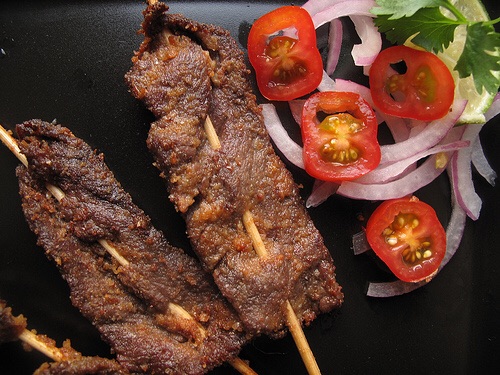
How Nigerian Food Culture - Suya leaves the diaspora

Suya pop-ups and market stalls across London are doing the street-level work. Weekend traders in Brixton, Peckham and Camden have turned suya into a recognisable late-night food across the city, and Nigerian food trucks working university towns have done something similar for students. The pipeline matters. A nineteen-year-old eating pepper-dusted beef off a paper plate at midnight is also a future customer who will eventually walk into an Akoko-tier restaurant and order with confidence instead of apology.

Ad SpaceIn-Article - 300x250
Advertisement

New York followed with conviction

The American shift took longer but arrived with force. Dept of Culture, opened by chef Ayo Balogun in Bedford-Stuyvesant in 2022, built its reputation on a single prix-fixe menu a night drawn from north-central Nigerian cooking, served to a room of roughly sixteen seats. It was widely profiled, including by BBC Travel, and Balogun has been shortlisted for a James Beard Foundation award. The format did not chase the brunch crowd. It served amala in a city that had to learn how to pronounce it, to diners who had spent a decade learning Korean and Sichuanese cooking and were ready for the next chapter.

Eko Kitchen in San Francisco, started by chef Simileoluwa Adebajo, opened the West Coast end of the same story. Houston and Atlanta, both home to large Nigerian populations, watched a generation of homestyle caterers move from church-basement Saturday meals to full restaurants with publicists. Those operators were no longer being read as enclave restaurants serving a captive community. They were being read as ambition.

The cookbook wave did the patient work

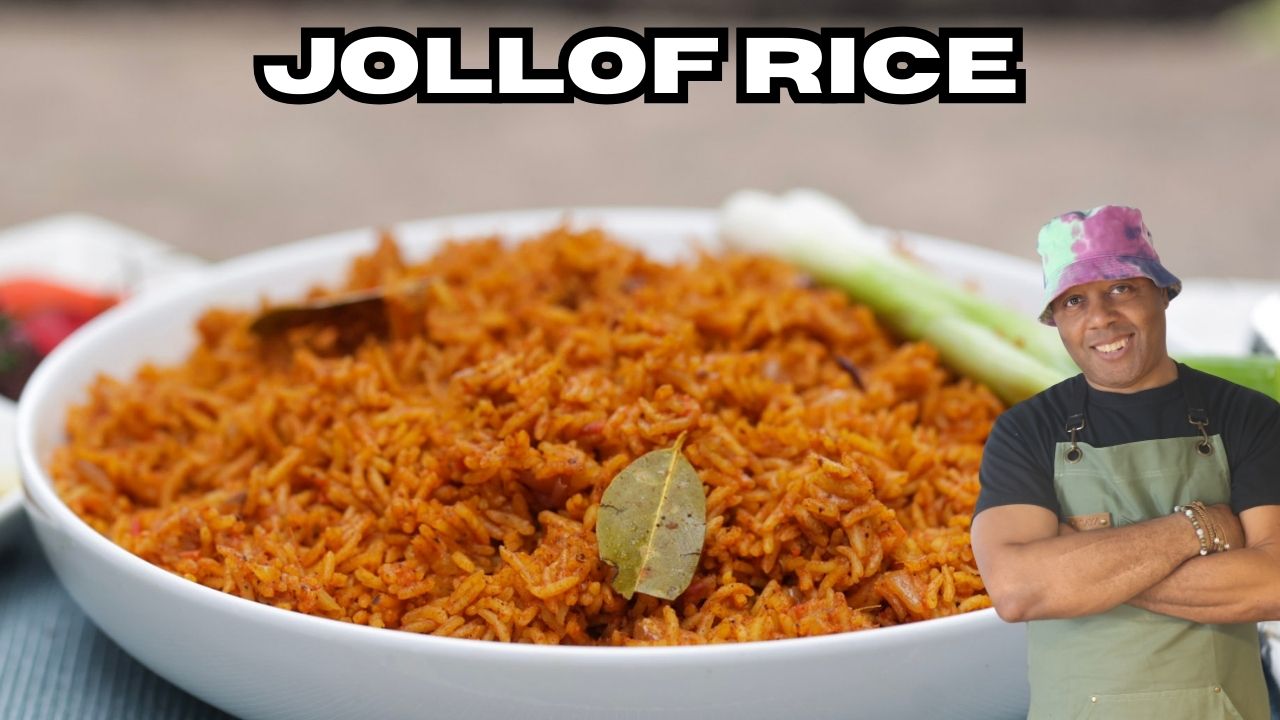
Restaurants make headlines. Cookbooks change kitchens. Yewande Komolafe, a New York Times Cooking contributor and the author of My Everyday Lagos, published by Ten Speed Press in 2023, arguably did more for Nigerian food literacy in American homes than any single restaurant could. Home cooks who bought the book learned to make jollof rice from her recipe and posted the results online, which is how a technique stops being exotic and starts being Tuesday.

Lope Ariyo’s Hibiscus taught British home cooks the basics of palm oil, dried crayfish and the smoky depth of a properly built Nigerian stew base. Ozoz Sokoh, who writes as Kitchen Butterfly, has spent years positioning Nigerian food inside the global pantheon, treating it less as a cuisine to be defended and more as one to be exported. Tunde Wey, working out of New Orleans, has used pop-up dinners and pointed political writing to keep the conversation about race, food and migration uncomfortable in productive ways.

The pantry crossed the ocean

A cuisine becomes globally durable when its ingredients become buyable. Suya seasoning on mainstream grocery shelves is one signal. Palm oil, long criticised in Western media on environmental grounds, is being revisited by chefs and writers willing to distinguish responsibly sourced West African red palm oil from industrial Southeast Asian production. That distinction matters more than it sounds. It is the difference between a banished ingredient and a celebrated one, and it decides whether a whole category of cooking can be sold in a supermarket at all.

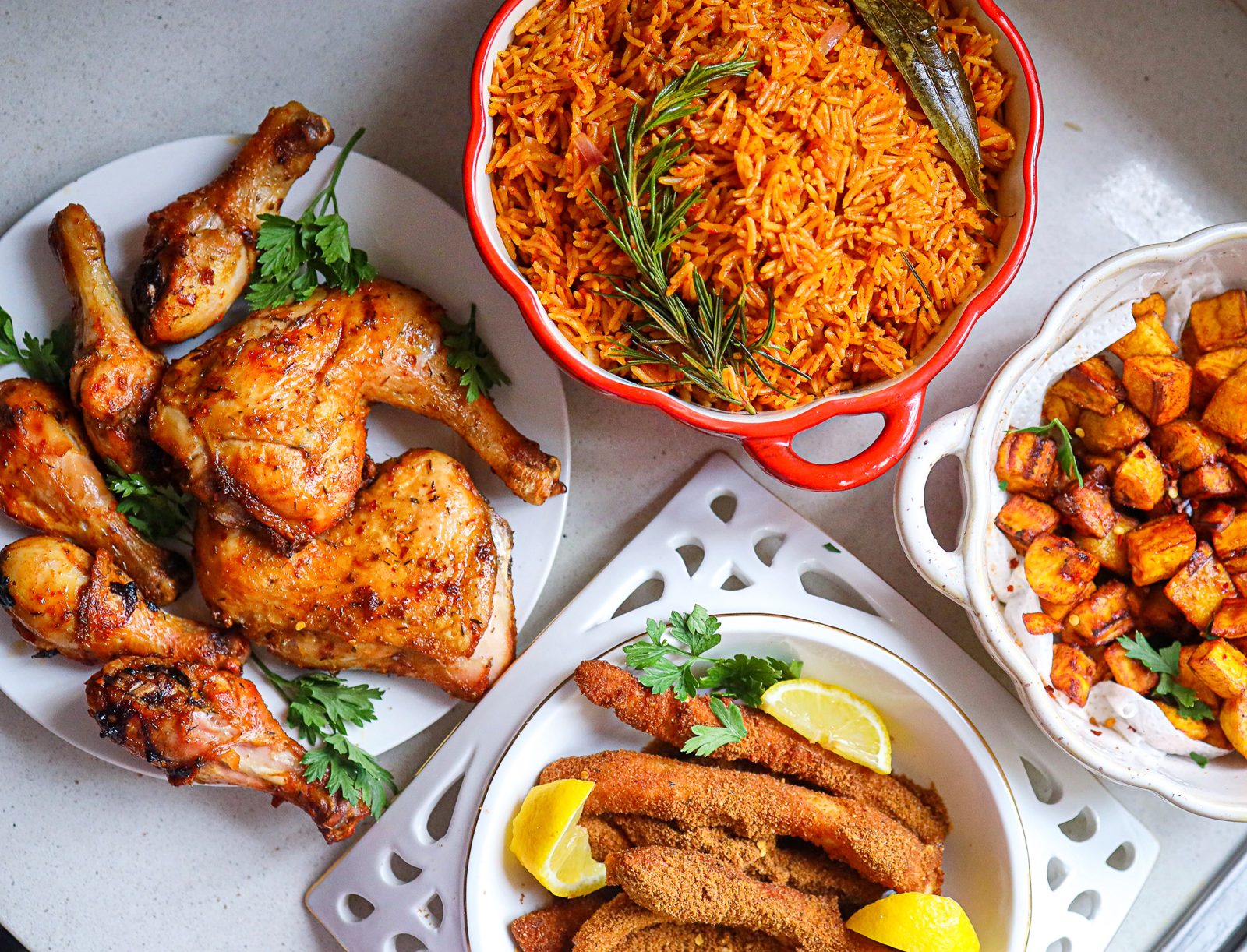
The supply chain is catching up with the curiosity. AYO Foods, a Black-owned line of West African frozen meals, has distribution through Whole Foods stores in the United States. Online grocers and African food delivery apps now ship egusi, plantain flour and ready-made stew bases to households far from any Nigerian neighbourhood. Nobody needs to know an auntie with a suitcase to cook this food any more, and that single change does more for a cuisine’s long-term survival abroad than any number of glowing reviews.

Restaurants that taught the ingredients

What restaurants like Chuku’s, Akoko, Dept of Culture and Eko Kitchen have done quietly is teach diners the names of ingredients those diners then ask for in shops. The route is consistent. A diner orders something, loves it, asks the server what the green leafy bitterness is, learns it is ewedu, and some weeks later searches for ewedu on a grocery delivery app. Restaurants are the laboratory. Grocery shelves are the proof.

Nigerian food
Image: Sisi Yemmie

The diaspora chefs writing the next chapter

Beyond the headline names, a thicker bench is forming. Selassie Atadika in Accra has built a body of work around what she calls New African cuisine. Adejoke Bakare became the first Black woman in the United Kingdom to be awarded a Michelin star when Chishuru, her Fitzrovia restaurant, was recognised in February 2024, cooking West African food without dilution. Michael Elegbede, who trained in American fine dining before returning to Lagos to build ITAN Test Kitchen, treats Nigerian cuisine with the precision and storytelling of a tasting menu, in its country of origin rather than in exile.

These are not chefs working in isolation. They cite each other, they collaborate on guest-chef nights across continents, and they share suppliers. That network effect is the part most observers miss. A single starred restaurant is a story. A dozen chefs on three continents sending each other suppliers and sous chefs is an industry, and an industry is much harder to dismiss as a trend.

The home cooks no one is profiling

For every named chef there are thousands of unnamed home cooks running social accounts that are quietly among the largest engines of Nigerian food’s global growth. Sisi Yemmie, Chef Lola’s Kitchen and Yummy Medley are among the better known, and they post recipes in plain English, in measurements that work for anyone with a kitchen scale, with shopping lists that match what is actually buyable in London, Houston and Toronto. A British-Nigerian student learning to cook jollof rice for the first time is far more likely to be watching a four-minute reel than reading a hardback cookbook, and the reel is usually by someone who sounds like her mother.

The shelf, not the headline, is the real measure

Michelin stars are the visible part of this story and the least important. Stars can be lost, restaurants close, and critical fashion moves on. What does not reverse easily is a supply chain, a publishing backlist and a generation of cooks who learned the techniques young. Nigerian food has all three now, built in under a decade, largely without institutional help, on the back of a music industry and a film industry that were never trying to do it.

That is the unusual part worth recording. Most cuisines travel with their migrants and wait a generation for the host country to notice. This one travelled with its pop culture, arrived ahead of most of its restaurants, and found an audience already fluent in the references before the first tasting menu was printed. The plates followed the playlist, which is close to the opposite of how this normally works.

Ad SpaceIn-Article - 300x250
Advertisement
Share
Get the recap

Loved this story? Get more like it.

Join readers who get our weekly entertainment recap - the stories worth your time, delivered every Friday.

No spam. Unsubscribe anytime. By signing up you agree to our Privacy Policy.

How Nigerian Food Culture Is Spr... | Sidomex Entertainment