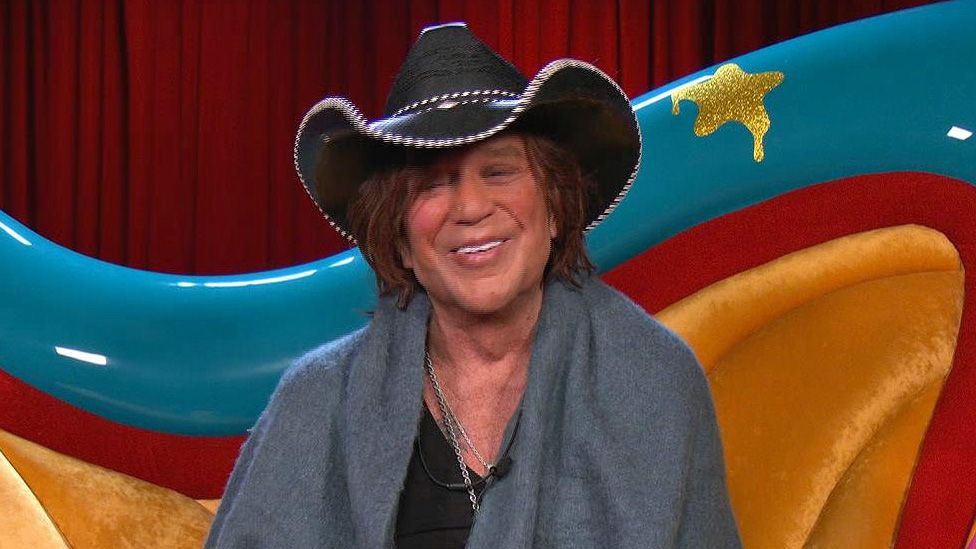
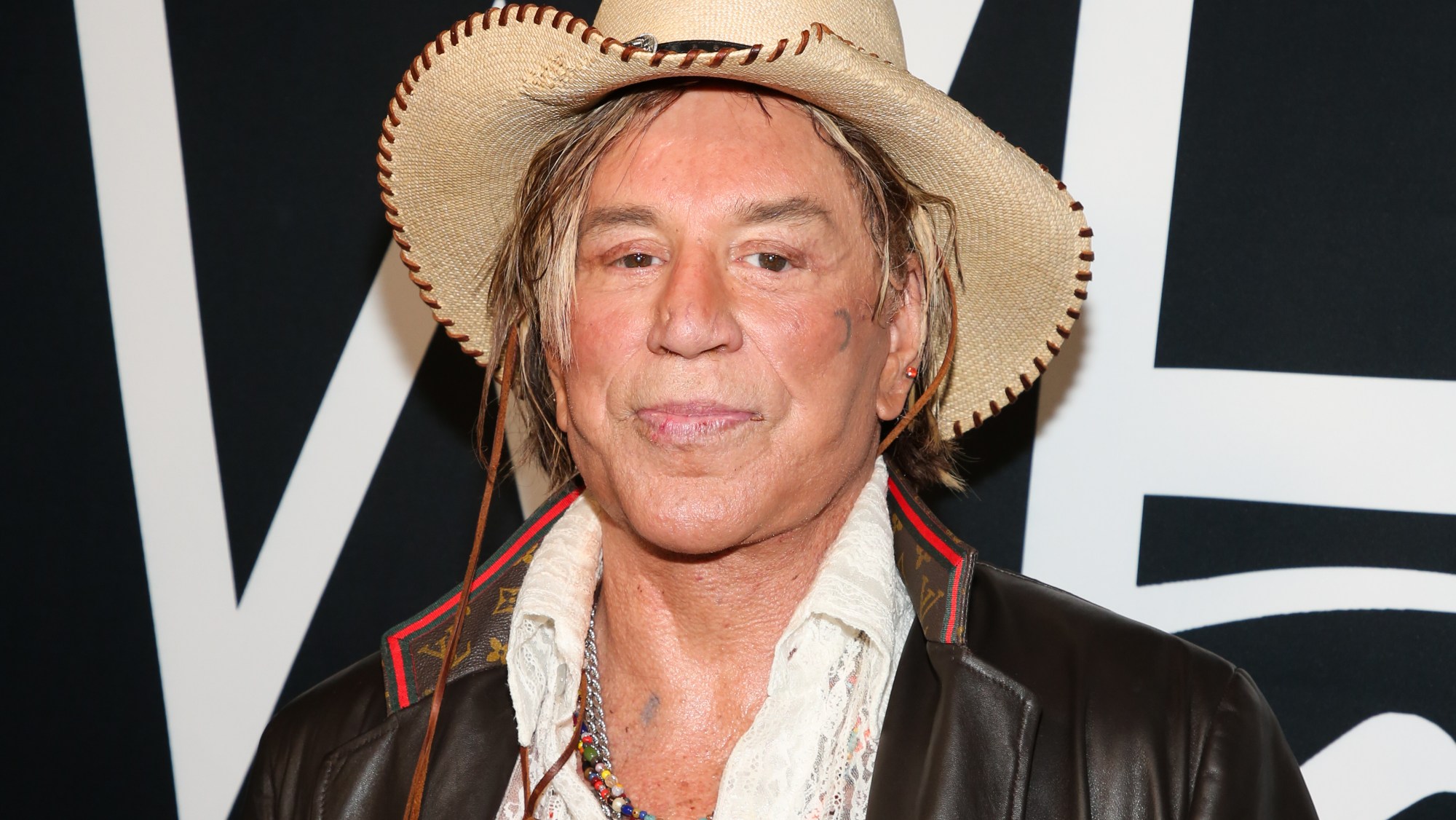
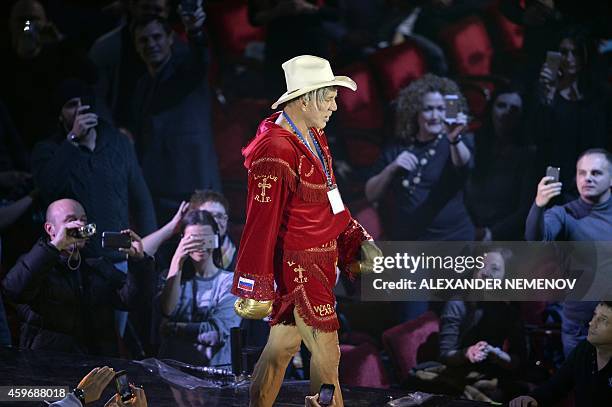
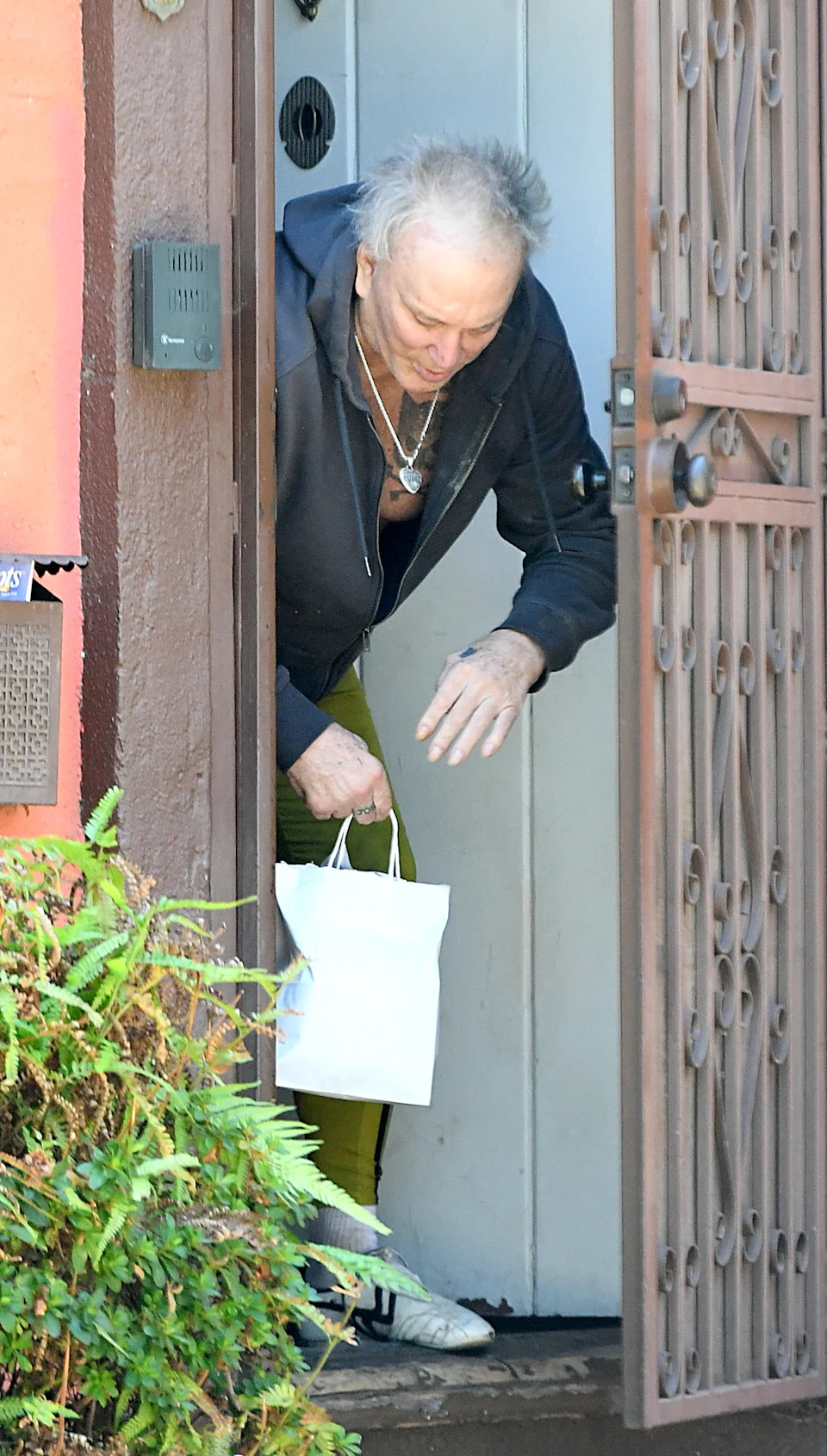
There are images that stop you cold, and the recent photographs of Mickey Rourke circulating online are exactly that. The 71-year-old actor, once considered one of the most magnetic and dangerous talents in Hollywood, was photographed looking visibly disheveled following reports that he had been evicted from his Los Angeles home. The pictures, which surfaced through entertainment media outlets, show Rourke with stains on his sweatshirt, visible marks under his mouth, and what appeared to be missing teeth - a stark visual contrast to the brooding, leather-jacketed heartthrob who once had the entire film industry at his feet. It is the kind of image that is hard to unsee, and harder still to reconcile with the man who once shared the screen with some of cinema’s greatest.
Image: IMDb
For anyone who grew up watching Rourke light up the screen in films like 9½ Weeks, Angel Heart, and Rumble Fish, these photos carry a particular weight. He was never just a movie star in the conventional sense. He was a force of nature - unpredictable, raw, and utterly compelling in a way that very few actors of his generation could match. Seeing him in this state is not just celebrity gossip. It is, in many ways, a sobering reflection on how drastically and quickly things can unravel, even for those who once stood at the very top.
What We Know About the Eviction
Reports indicate that Rourke was recently removed from his Los Angeles residence following an eviction, though detailed legal specifics surrounding the situation have not been fully confirmed publicly. What captured widespread attention almost immediately were the photographs taken after the eviction came to light, showing the actor in a state that alarmed many of his longtime fans and industry observers. The images painted a picture of someone who appeared to be struggling - not just financially, which an eviction might suggest, but in overall wellbeing. The stains on his clothing and the visible deterioration of his physical appearance sparked immediate concern across social media platforms and entertainment circles alike.
It is worth noting that housing instability in Los Angeles is not exclusive to those without means, and evictions can result from a variety of complex circumstances ranging from landlord disputes to missed payments during difficult personal periods. However, when a figure of Rourke’s stature finds himself in this position, it raises unavoidable questions about what kind of support systems - financial, emotional, and social - exist for aging Hollywood figures who may no longer be at the center of the industry machine. The city of Los Angeles has seen its share of once-celebrated names fall quietly through the cracks, and Rourke’s situation feels like a loud, painful echo of that recurring story.
The Rise, The Fall, and The Comeback That Was
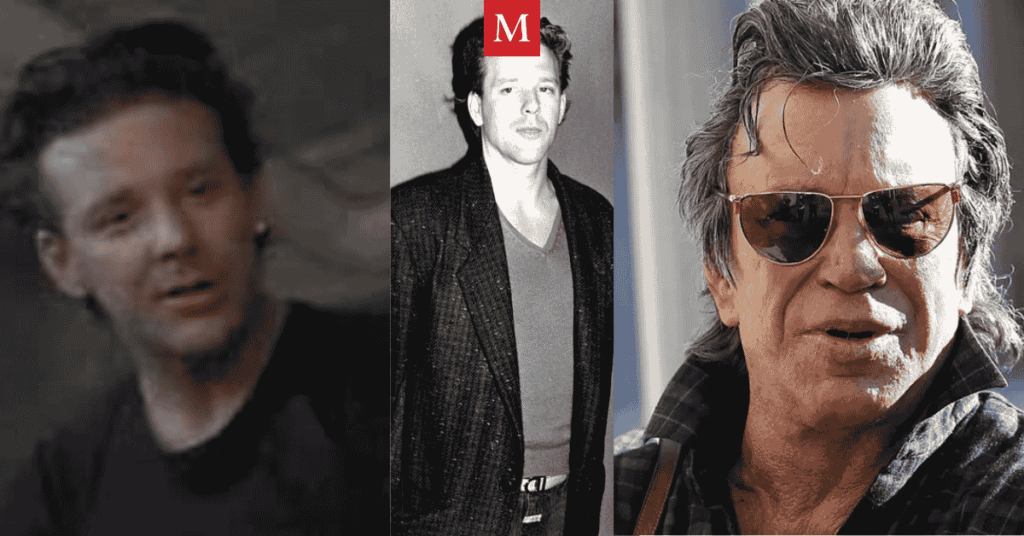
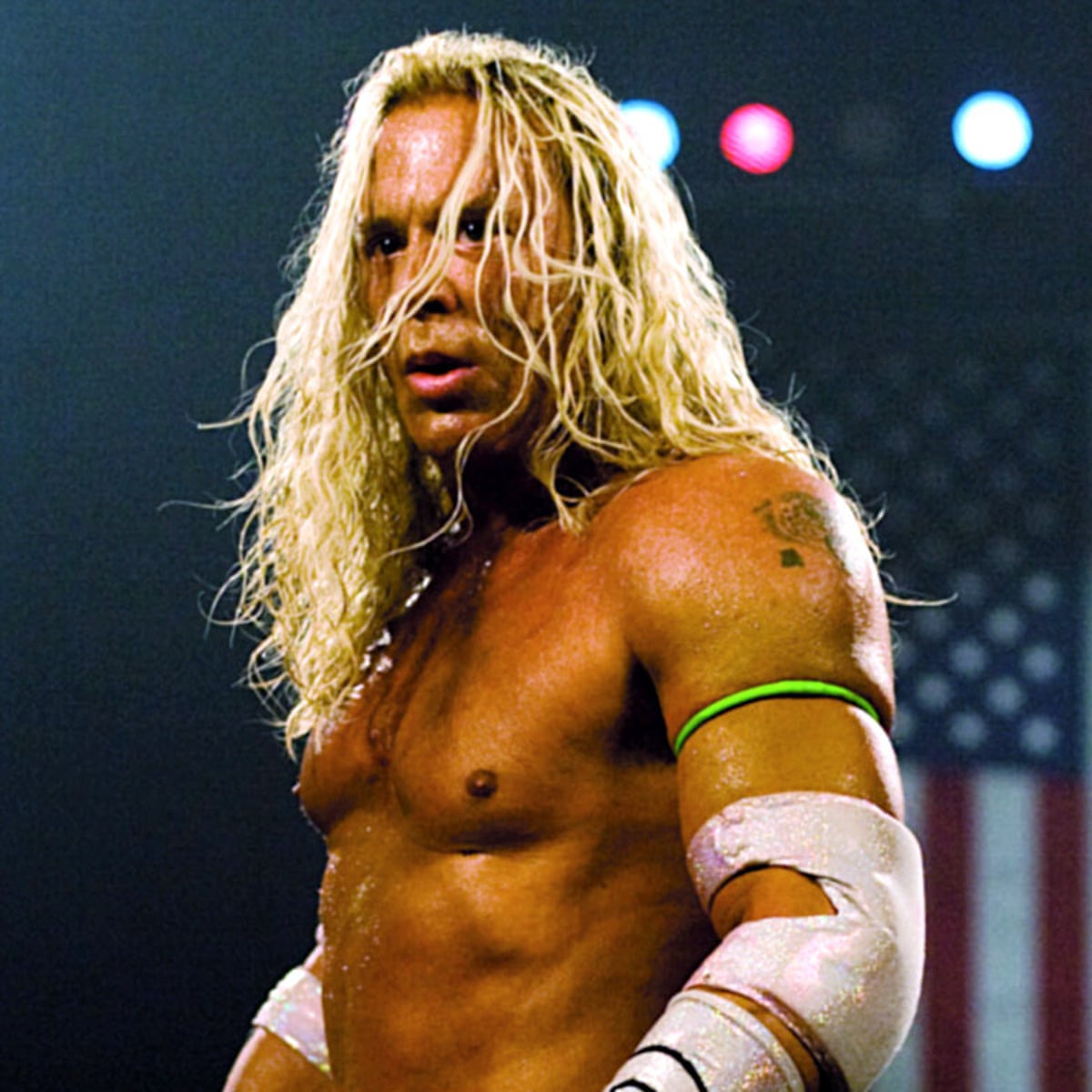
To understand why these images hit so hard, you have to understand just how extraordinary Mickey Rourke’s trajectory has been. He emerged in the early 1980s as something genuinely new in Hollywood - a method actor with street credibility, physical presence, and an emotional depth that directors like Francis Ford Coppola and Alan Parker recognized immediately. His performances in Diner (1982) and Rumble Fish (1983) introduced him as a serious dramatic force, and by the mid-80s, films like 9½ Weeks and Angel Heart had made him an international sex symbol and a critical darling simultaneously. He was, by almost any measure, one of the defining actors of his decade.
Image: The Guardian
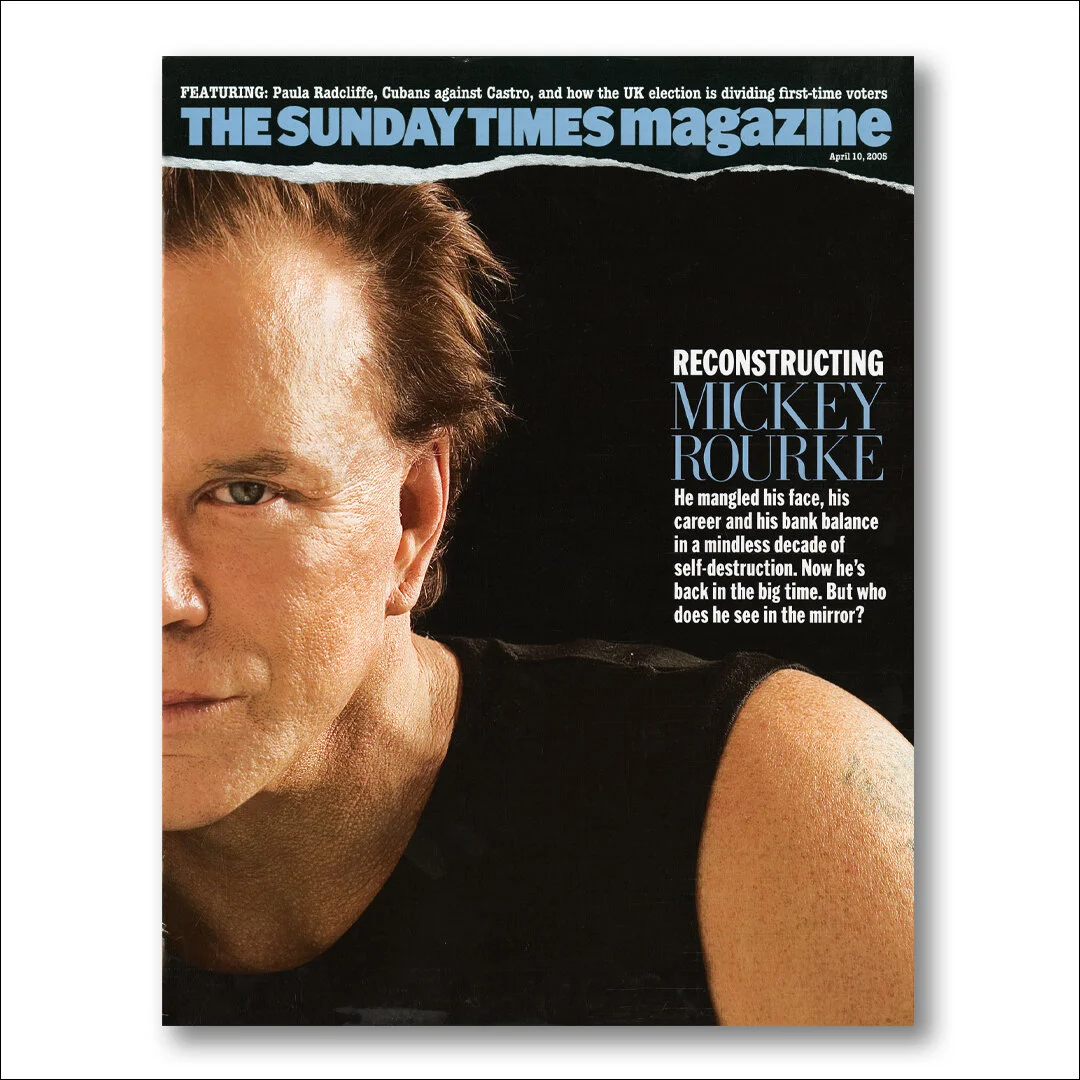
Then came the self-destruction, which Rourke himself has never tried to fully deny or explain away. He walked away from a thriving film career in the early 1990s to pursue professional boxing - a decision that stunned his peers and perplexed his fans. He accumulated a professional record but also sustained significant facial injuries that led to multiple reconstructive surgeries, surgeries that dramatically altered his appearance and, by his own admission, were not all successful. When he returned to acting, the roles were smaller, the industry had moved on, and he spent nearly a decade as a cautionary tale rather than a leading man. That is, until Darren Aronofsky handed him The Wrestler in 2008, and everything changed again.
Ad SpaceIn-Article - 300x250
Advertisement
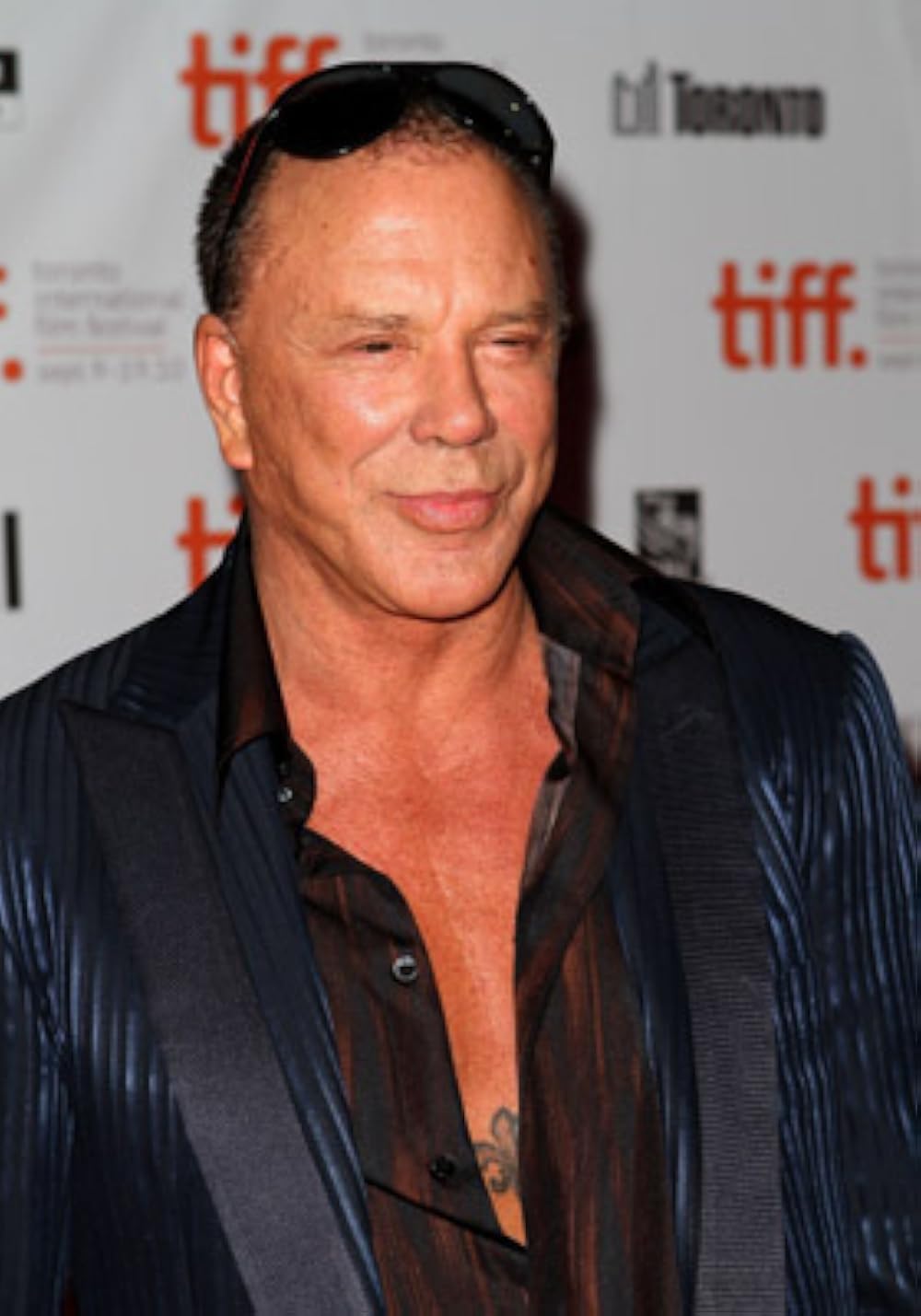
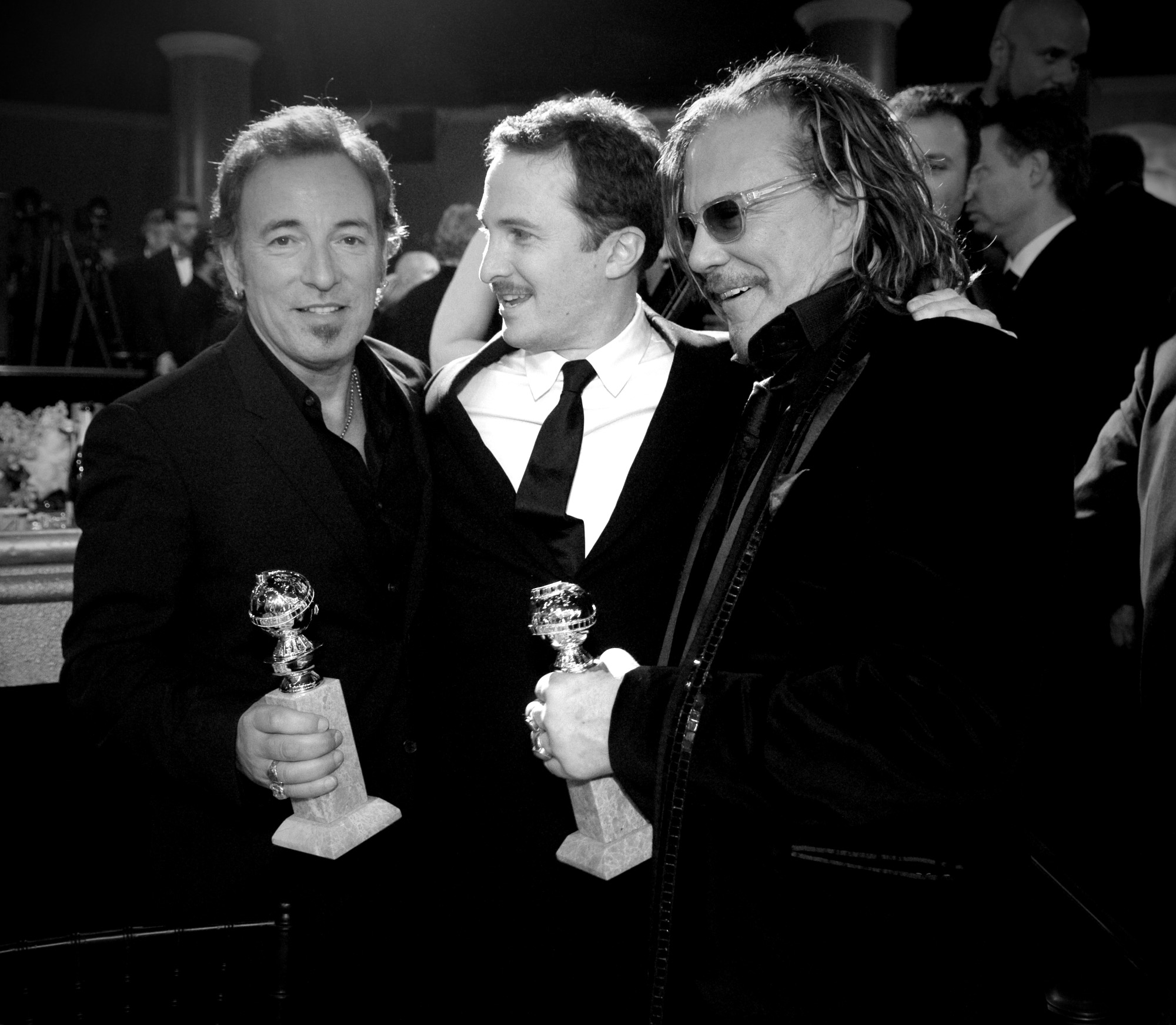
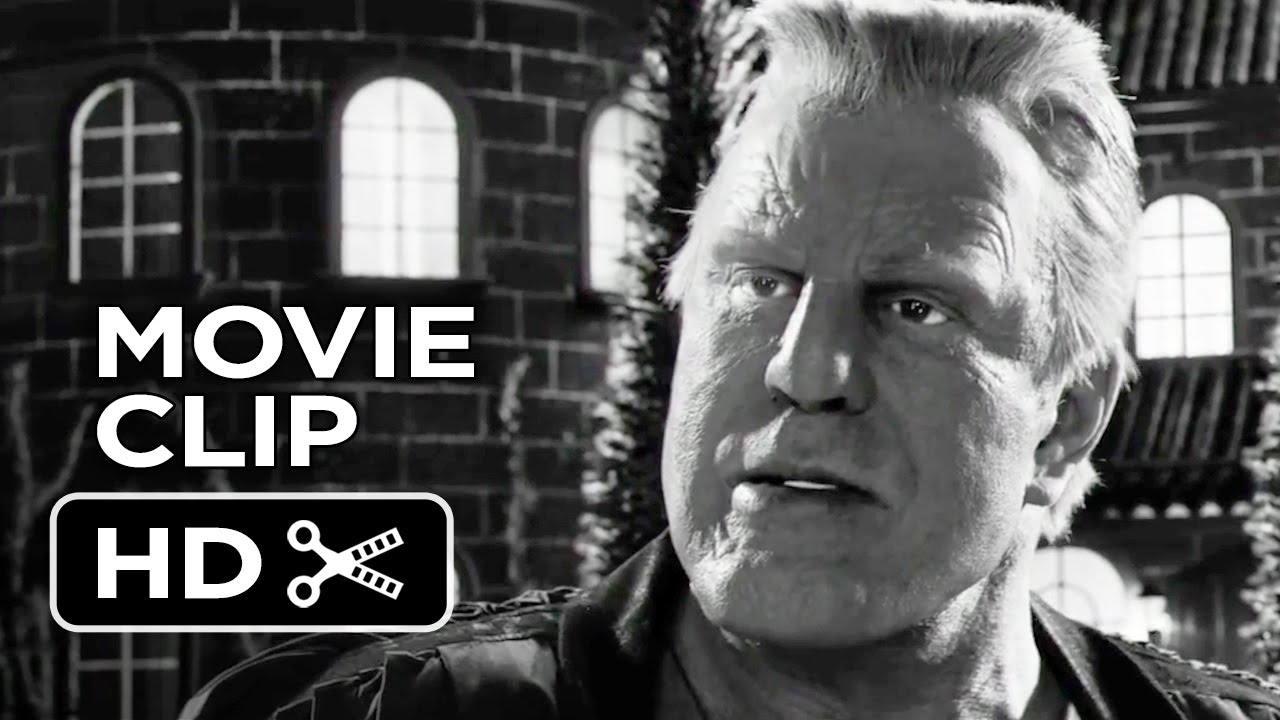
His performance as Randy “The Ram” Robinson in The Wrestler was nothing short of a resurrection. It earned him a Golden Globe win and an Academy Award nomination, and critics who had written him off spent those awards season months rewriting the narrative. It felt like a genuine second act, the kind Hollywood loves to celebrate. He followed it with roles in Iron Man 2, The Expendables, and Sin City: A Dame to Kill For, and for a brief window, it seemed like Mickey Rourke had genuinely found his footing again. Looking at where he appears to be now, that window feels painfully brief in hindsight.
A Life Defined by Turbulence
Rourke’s personal life has always been as turbulent as his professional one. He has been open over the years about struggles with depression, substance use, and the psychological toll of a childhood marked by difficulty and instability. He grew up in a tough environment in Miami after his parents divorced, and he has spoken in various interviews about early experiences with violence and hardship that shaped both his resilience and his self-destructive tendencies. He married twice - to actresses Debra Feuer and Carré Otis - and both marriages ended in divorce, with his relationship with Otis being particularly well-documented for its volatility. Through all of it, his dogs remained a constant source of emotional grounding, something he has mentioned in interviews with genuine tenderness.
Image: Golden Globes
In more recent years, Rourke has occasionally surfaced in the media for reasons that have had little to do with his craft. He became known for making outspoken political statements, feuding publicly with other celebrities, and appearing at events looking dramatically different from the man audiences remembered. His changing appearance became something of a tabloid fixation, and while it is easy to reduce that to vanity or spectacle, there is a more uncomfortable conversation to be had about how the entertainment media covers the physical decline of older male stars versus female ones, and whether the fascination is ever truly compassionate. The current images feel like another chapter in that same complicated story.
How the Public Is Responding
Reactions to the photographs and the eviction news have been notably mixed, reflecting the complicated feelings people have toward Rourke as a figure. A significant number of responses have expressed genuine concern and sadness, with fans sharing memories of his best performances and hoping that people around him are stepping in to provide support. The kind of affection people hold for Rourke is real and deep-rooted - he earned it through decades of genuine artistic risk-taking, and that does not simply disappear. Social media threads have been filled with people rewatching clips from The Wrestler and Barfly as a kind of tribute to who he was at his best.
Image: YouTube
At the same time, there have been less generous corners of the internet doing what less generous corners of the internet always do - reducing a complex human situation to mockery and memes. It is worth pushing back against that impulse. Whatever the circumstances that led to these photographs, what they show is a person who appears to be in a difficult period of his life, and the appropriate response to that is empathy, not entertainment. The line between documenting a public figure’s decline and exploiting it for clicks is one that both media outlets and their audiences have a collective responsibility to think about carefully.
The Bigger Picture: Hollywood’s Forgotten Stars
Mickey Rourke’s situation, whatever its full details turn out to be, is a reminder of a broader and often ignored reality about fame and the entertainment industry. Hollywood is extraordinarily efficient at celebrating its stars on the way up and extraordinarily quiet when those same stars begin to struggle. The industry produces very few safety nets for the people who built it, and the financial literacy resources, mental health support systems, and community structures that might catch someone in freefall are rarely built into the fabric of a working actor’s career. By the time a star’s earning power fades, the infrastructure of management, publicity, and industry relationships that once surrounded them often fades too.
For stars who came up in the 1980s specifically, there is an additional layer of complexity. That era’s culture around masculinity, mental health, and vulnerability was not one that encouraged asking for help. Men like Rourke were celebrated precisely for their toughness, their refusal to be managed or contained, their willingness to self-destruct spectacularly. That same culture made it nearly impossible for them to access the kind of support that might have changed their trajectories. As the industry continues to have long-overdue conversations about wellness, mental health, and the cost of stardom, figures like Mickey Rourke should be part of that conversation - not as cautionary footnotes, but as real people whose experiences have something important to teach. Whatever comes next for him, one hopes it involves more stability, more support, and some measure of peace. He has, after all, given audiences some genuinely unforgettable moments. That should count for something.
Ad SpaceIn-Article - 300x250
Advertisement
Share
Get the recap
Loved this story? Get more like it.
Join readers who get our weekly entertainment recap - the stories worth your time, delivered every Friday.
No spam. Unsubscribe anytime. By signing up you agree to our Privacy Policy.