
Table of Contents
- When Colombia’s Finest Walked Into Juanes’ Studio
- What the Billboard Español June Issue Represents
- The Conversation That Had Everyone Talking
- Decades of Colombian Music, One Room
- Leila Cobo and the Art of the Right Question
- Colombia’s Grip on the Global Latin Sound
When Colombia’s Finest Walked Into Juanes’ Studio
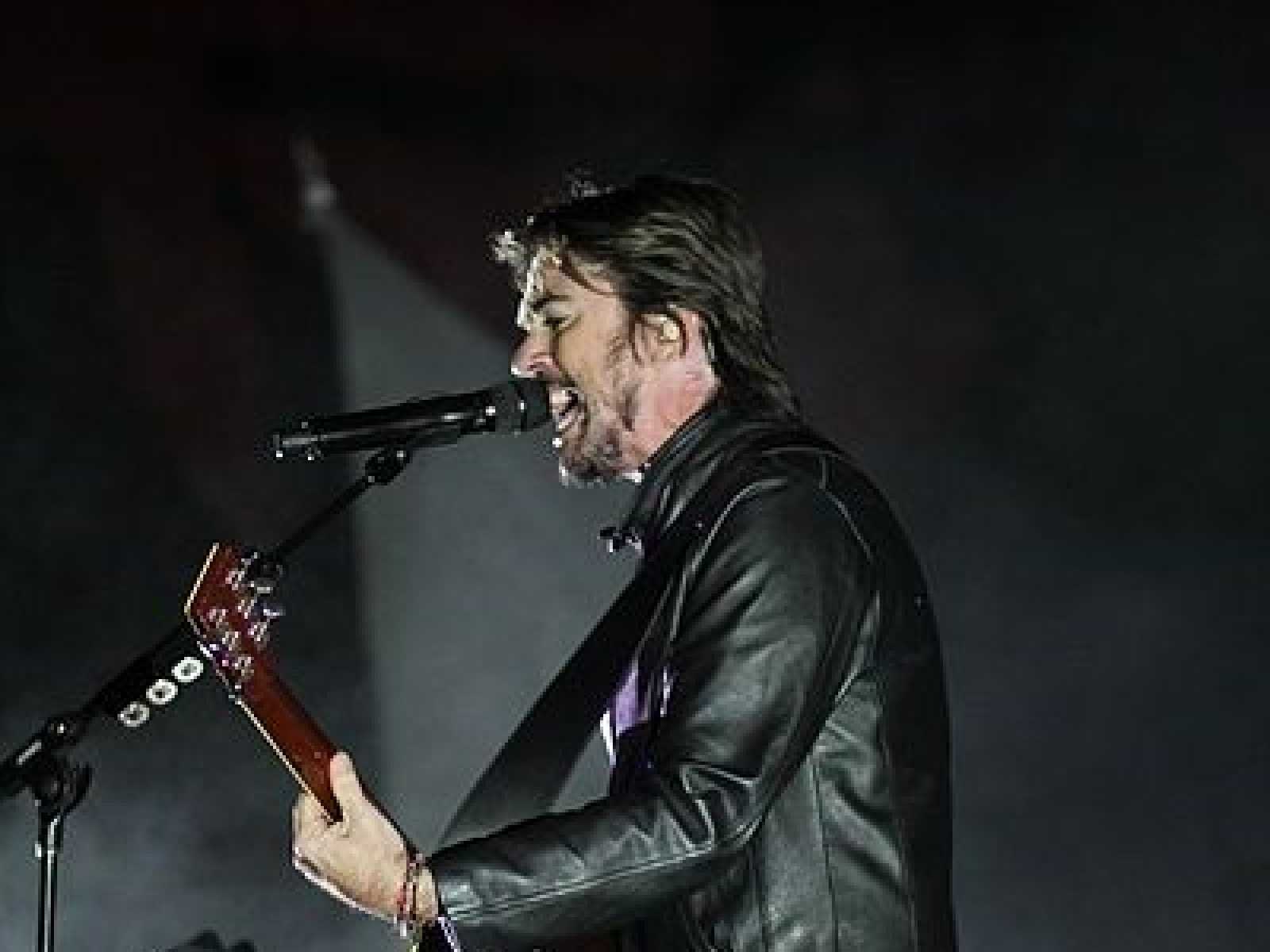
There are meetups, and then there are moments. What happened recently when Juanes opened the doors of his personal recording studio to a group of Colombia’s most celebrated musical voices was firmly the latter. The Grammy-winning rock icon welcomed fellow Colombian legends Carlos Vives and Fonseca, among others, for an intimate gathering tied to the June issue of Billboard Español - a conversation that was equal parts cultural celebration and candid industry reflection. The event was moderated by Billboard‘s Co-Chief Content Officer Leila Cobo, who has spent decades chronicling the rise of Latin music from the inside and arguably knows this world better than almost anyone with a press pass.

The choice of venue was not incidental. A recording studio is, for any serious musician, an extension of identity - a sanctuary where the masks come off and the real creative process lives. Holding the panel in that space rather than a sterile conference room or a hotel ballroom said something about the tone everyone was going for. This was not a PR exercise. It was a genuine reunion of artists who share a cultural heritage, a musical lineage, and a collective sense of responsibility toward the sound they helped put on the global map. The casual intimacy of the setting made for a different kind of conversation than the usual red carpet soundbite.
What the Billboard Español June Issue Represents

Billboard Español has grown into one of the most respected platforms for Latin music coverage in the world, and dedicating a full issue to celebrating Colombian artists is a recognition of something the charts have been saying for years - Colombia is not just participating in the global Latin music conversation, it is actively leading it. From the cumbia and vallenato roots that Carlos Vives brought to international audiences in the 1990s, to the rock-meets-Andean soul that Juanes weaponized into multiple Grammy wins, to the smooth urban pop that Fonseca has refined across two decades, the Colombian sound is wide, varied, and deeply influential. An issue like this does not just honour artists; it documents a movement.

It is also worth noting how far the publication itself has come as a dedicated space for Spanish-language music journalism. Leila Cobo’s fingerprints are all over that evolution. She joined Billboard years ago when Latin music coverage was still largely treated as a niche appendage to the main publication, and she has been instrumental in pushing it to the forefront - both in terms of editorial ambition and industry clout. Having her moderate this particular panel brought a full-circle quality to the evening. She was not just a journalist asking questions; she was a witness to the entire arc these artists represent.
The Conversation That Had Everyone Talking
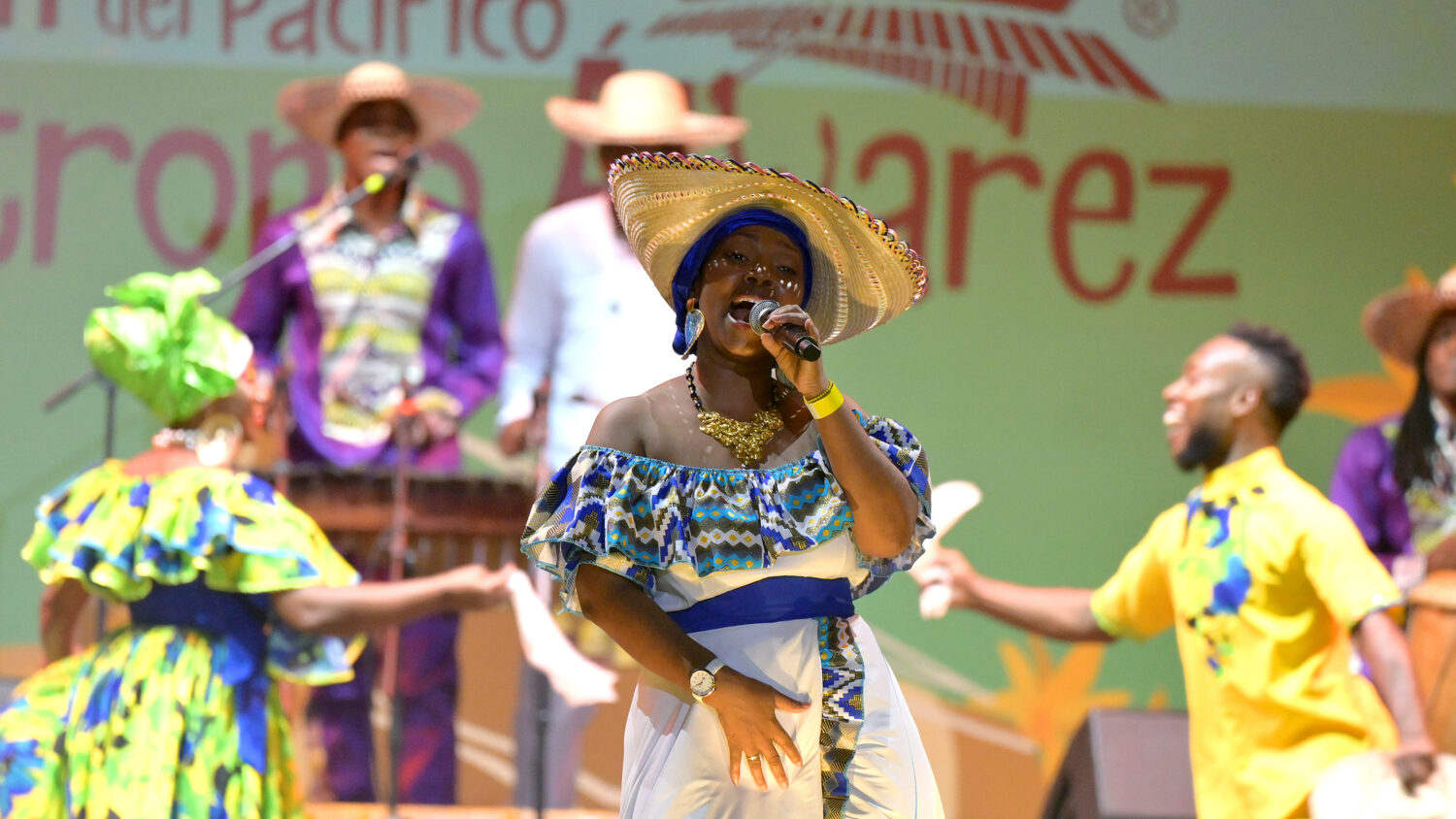
Panels of this nature live or die by the quality of what actually gets said, and by all accounts, this one delivered. The artists spoke openly about identity, the pressure of representing a country on the world stage, and the complicated relationship between commercial success and artistic authenticity. For Juanes especially, these are not abstract questions - he has spent the better part of his career navigating the tension between the rock influences that shaped him as a teenager in Medellín and the Colombian musical traditions that run deeper in his bloodstream than he sometimes acknowledged early on. That kind of honesty, spoken in the relaxed atmosphere of a familiar creative space, tends to produce quotes worth remembering.
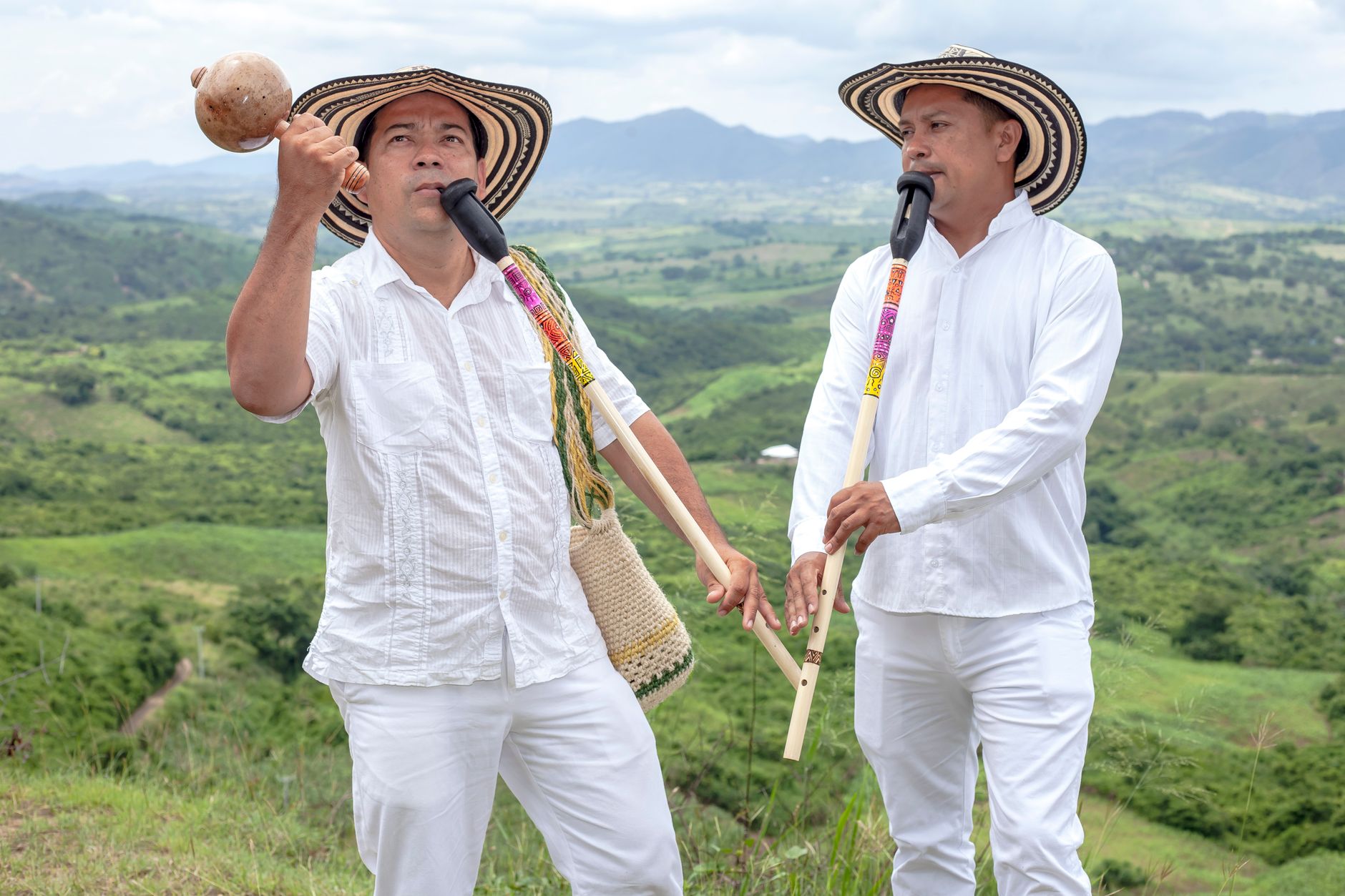
Carlos Vives brought his characteristic warmth and storytelling energy to the discussion, drawing on a career that stretches back to the early 1990s when he single-handedly reintroduced vallenato to younger Colombian audiences through his landmark album Clásicos de la Provincia and subsequently introduced it to the world. His ability to contextualise Colombian music within a broader cultural and political history gives his perspective a weight that goes beyond mere anecdote. Fonseca, meanwhile, has always been an artist who operates with a quiet confidence - his sound does not shout for attention, it earns it - and that same quality appeared to define his contributions to the panel. Together, the three artists offered a generational sweep of Colombian pop music that few other gatherings could replicate.