
Table of Contents
- A Golden Age Icon Steps Away
- The Role That Defined a Career: Mildred Pierce
- From Stage Child to Silver Screen Star
- Musicals, Romance, and a Remarkable Range
- Ann Blyth’s Place in the Hollywood Story
A Golden Age Icon Steps Away
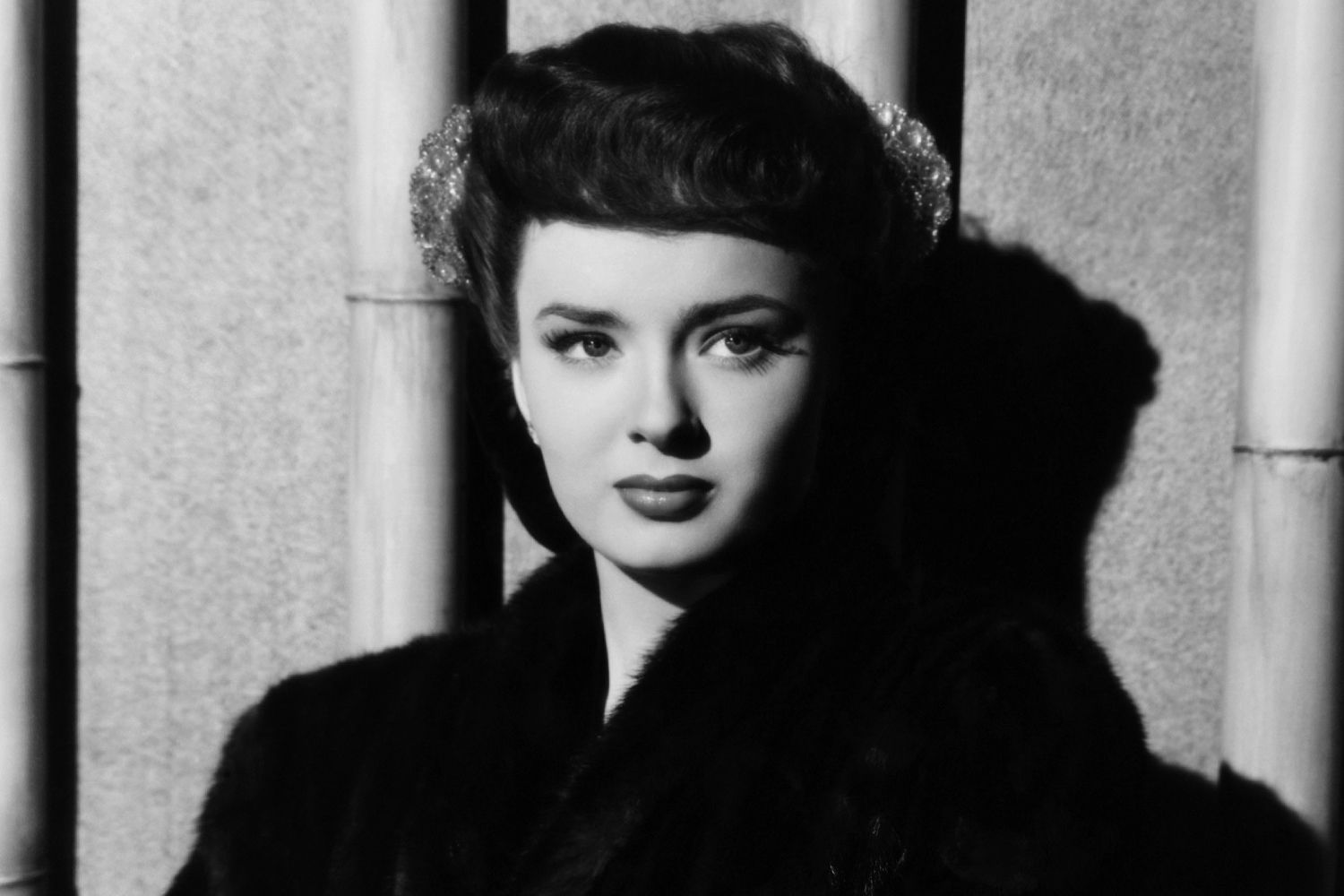
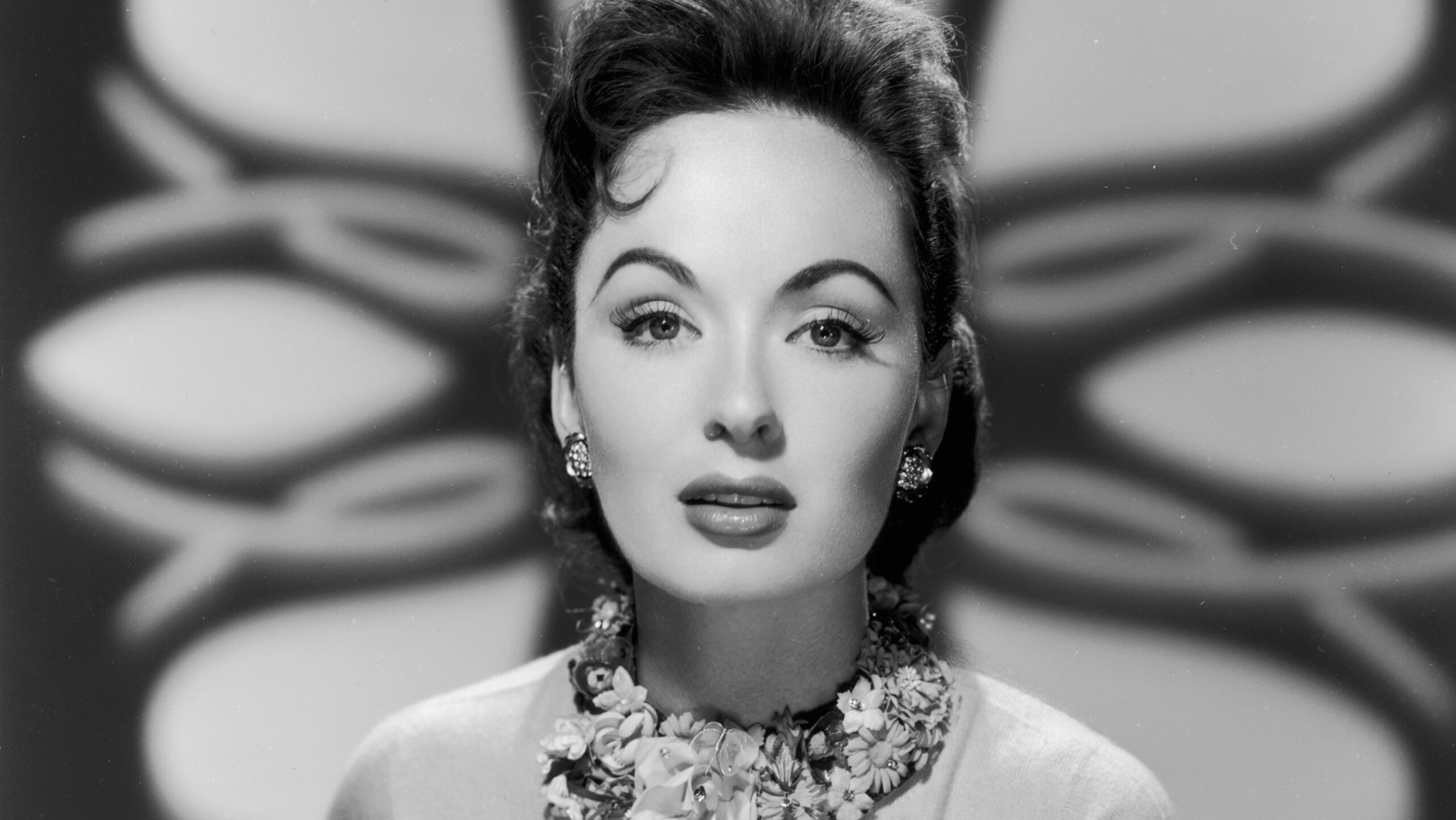
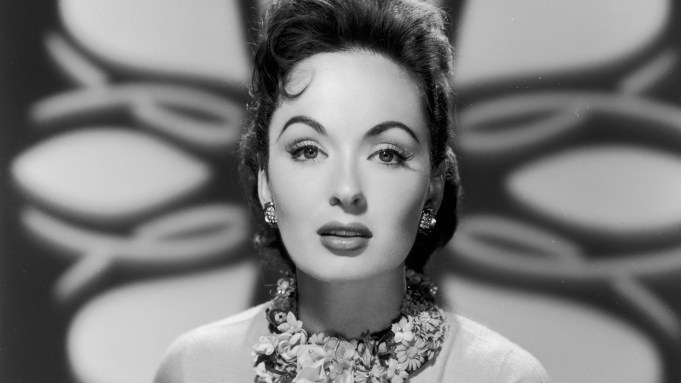
Hollywood has lost one of its last true links to the golden era of cinema. Ann Blyth, the actress whose dark, expressive performances made her one of the most compelling presences on American screens during the 1940s and 1950s, has died at the age of 98. Her passing marks the end of a chapter in film history that fewer and fewer living voices remain to narrate firsthand. She belonged to that rare generation of entertainers who came up under the full weight of the studio system, shaped by its demands and elevated by its resources, and who managed to carve out identities that outlasted the machinery that built them.
Blyth was not the loudest name from her era, nor the most tabloid-ready, but she was consistently one of the most talented. Across a film career that stretched from 1944 to 1957, she appeared in more than 30 productions, moving with surprising ease between genres that most actresses of her time were expected to stay firmly within. She did melodrama, she did musicals, she did romantic comedies, and she did all of it with a technical precision and emotional honesty that earned the respect of her peers, her directors, and the critics who watched closely. The industry may have moved on from her kind of craftsmanship, but its influence never fully disappeared.
The Role That Defined a Career: Mildred Pierce
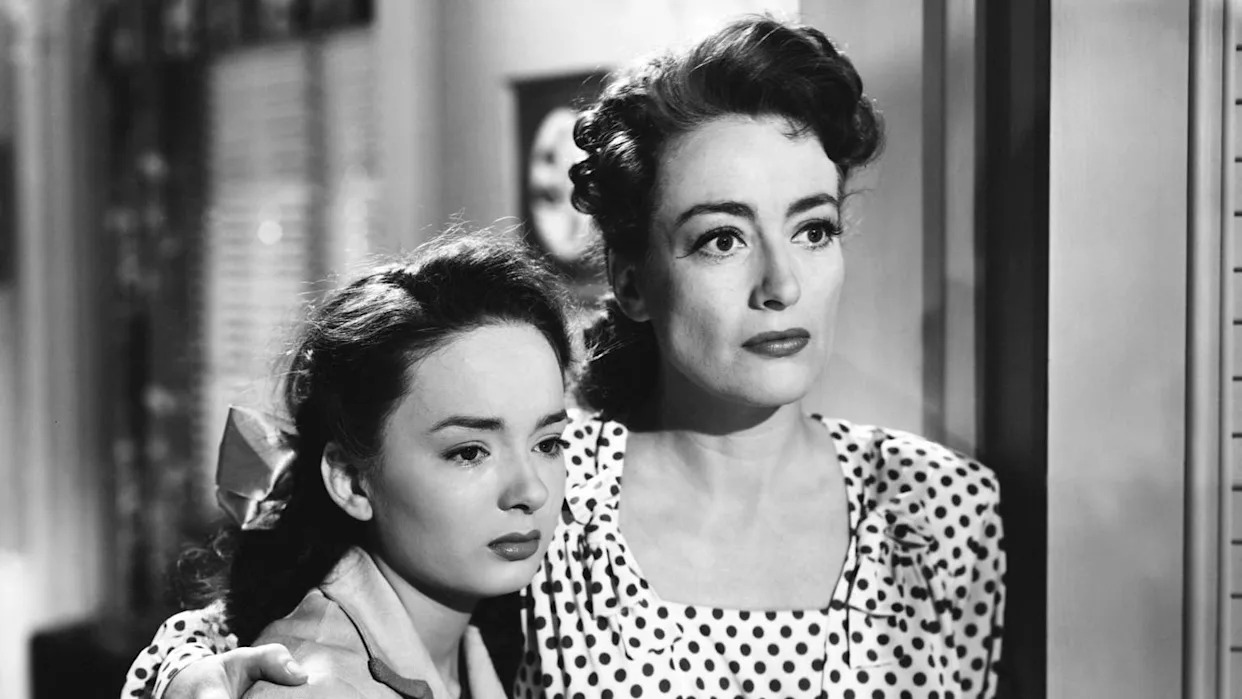
If there is one performance that will anchor Ann Blyth’s name in film conversations for generations to come, it is Veda Pierce - the calculating, manipulative daughter she brought to terrifying life in Mildred Pierce (1945). Directed by Michael Curtiz and starring Joan Crawford in her career-reviving leading role, the film is a masterpiece of noir-inflected melodrama. Crawford won the Academy Award for Best Actress for her work in it, but Blyth’s portrayal of Veda was, by many critical accounts, the true emotional engine of the picture. Veda is the kind of villain who is difficult to look away from - charming and repulsive in equal measure - and Blyth played her with a chilling control that seemed extraordinary for someone who was, at the time of filming, just a teenager.
The Academy recognized the achievement with a nomination for Best Supporting Actress, a rare distinction for an actress so young and so early in her professional journey. Blyth did not win - Anne Revere took home the award that year for National Velvet - but the nomination alone was a statement. It told the industry that this was not a one-off, not a lucky casting decision, but a genuinely formidable talent who understood character from the inside out. The role remains a benchmark in Hollywood’s history of great screen villainy, discussed in film schools and revisited by critics every time the conversation about women in classic cinema resurfaces. When HBO remade Mildred Pierce as a miniseries in 2011 with Kate Winslet in the lead role, it was inevitably compared to the 1945 original - a testament to how deeply that version had embedded itself in the cultural imagination.
From Stage Child to Silver Screen Star
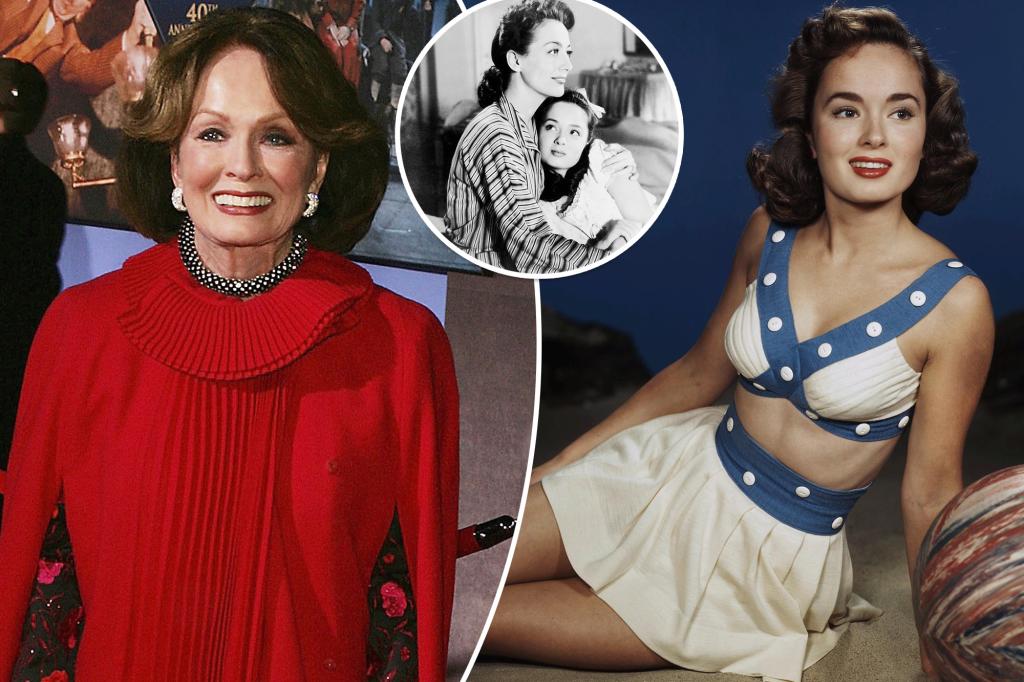
Ann Blyth was born Ann Marie Blyth on August 16, 1928, in Mount Kisco, New York, and her path to the screen began not in Hollywood but on the stage. She was performing in opera and on Broadway as a child, already developing the vocal power and stage presence that would serve her well throughout her career. By the time she was a young teenager, she had built enough of a reputation in theatrical circles to attract the attention of Hollywood talent scouts, and Universal Pictures signed her in the early 1940s. Her film debut came in 1944, and within a year she was appearing in the film that would define her reputation for the rest of her life.