Pronounced “all-tay,” the word is a clipped take on “alternative,” and it describes a cluster of artists, designers and visual creatives who built a parallel Nigerian music economy in the mid-2010s. Alte sits next to Afrobeats the way indie sat next to mainstream rock in the 2000s. Same country, same heritage, a completely different posture.
While the biggest Nigerian pop stars were perfecting stadium-sized hooks, a smaller cohort was making lo-fi confessional songs in home studios, shooting their own music videos on consumer cameras and letting Twitter and SoundCloud do the marketing. Alte is no longer the secret it was. Its biggest graduates have Grammys, Billboard chart entries and headline slots at international festivals. But the underground engine that produced them is still running, and a younger wave keeps pushing the sound somewhere stranger.
Where Alte Came From
The word started circulating around the mid-2010s, and the scene’s real ignition point sits between 2015 and 2017. A handful of artists had been releasing music that did not fit anywhere on Nigerian radio, which at the time was dominated by big-room Afrobeats from labels including Mavin Records, HKN and YBNL. Cruel Santino, then recording as Santi, was dropping ghostly R&B projects shot through with skits and ambient interludes. Odunsi The Engine was making technicolour pop that pulled from disco, funk and 1980s synth records. Tay Iwar was releasing genre-fluid work out of Abuja that owed more to contemporary American R&B than to anything on Nigerian airwaves.
None of these artists fitted the existing infrastructure, so they built their own. The Native, established in 2016 by Seni Saraki and Teni “Teezee” Zaccheaus, became the documentation hub. It treated alte artists with the seriousness usually reserved for established stars and gave the scene a published language for talking about itself. Music videos went up on YouTube and Vimeo with rolling credits for the photographer, the stylist, the colourist and the location scout. The credits mattered, because alte was always about a community as much as a sound.
Lagos provided the geography. Most of the founding artists lived, worked or partied within a few square kilometres of Lekki and Ikoyi, which produced a creative density that made collaboration cheap. A producer, a vocalist and a videographer could be in the same room within half an hour. That density showed up in the music, which was full of cameo verses, in-jokes and producer tags that only made sense if you were inside the bubble.
The DRB LasGidi Connection
Before alte had a name, there was DRB LasGidi. The trio of BOJ, Teezee and Fresh L formed in the late 2000s and spent the early 2010s on a sound that leaned on reggae, dancehall and electronic textures in a way that prefigured the looser palette alte artists would adopt. BOJ in particular became a pivotal figure, bridging the older Afrobeats-adjacent sound and the newer experimental moves. By the time alte coalesced as a movement, he was already a senior statesman with a contacts book.
The Alté Cruise Moment
If alte had a definitive recorded moment, it was “Alté Cruise,” released in 2018 by Odunsi (The Engine) with Santi and Zamir as part of the album rare. The song was barely two minutes long and felt more like an interlude than a single, but it stamped the word onto Nigerian music vocabulary and signalled that the scene was self-aware enough to brand itself. After it, the term moved from an inside reference to a recognised tag, and critics could write about alte the way they wrote about drill or amapiano.
What Alte Actually Sounds Like
There is no single alte sound, which is part of why purists dislike the label. The scene’s defining trait is sonic permissiveness. Producers working in and around it, GMK and Le Mav among them, draw from R&B, neo-soul, dream pop, electronic music, jazz, lo-fi hip hop and traditional West African forms. A typical alte track might layer a slowed horn loop over a trap drum pattern, then drop in a vocal sample lifted from an obscure highlife record.
Vocals are usually delivered in a relaxed, low-volume cadence. Where mainstream Afrobeats stars project to the back of the venue, alte vocalists sing as though they are sitting next to you on a couch. Tomi Owó has built her catalogue around that register, with a voice that rarely rises above conversational while the production gives every breath weight.
Lyrically, alte skews personal and abstract. Heartbreak, identity, spiritual restlessness and the everyday strangeness of being young in Lagos are recurring themes, and the writing is rarely literal. Cruel Santino can spend a verse on imagery before arriving at a concrete sentiment. Odunsi favours sleek romantic shorthand. Lady Donli writes about loneliness, joy and Nigerian womanhood with a directness that anchors the genre’s more impressionistic tendencies.
The Visual Grammar
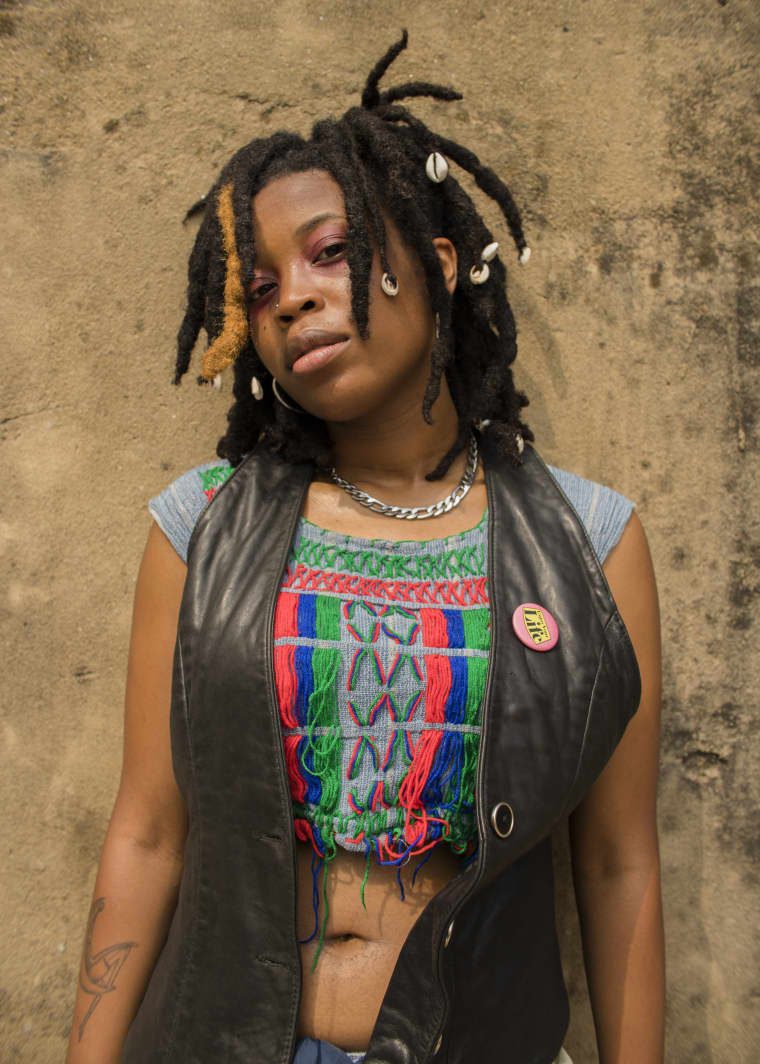
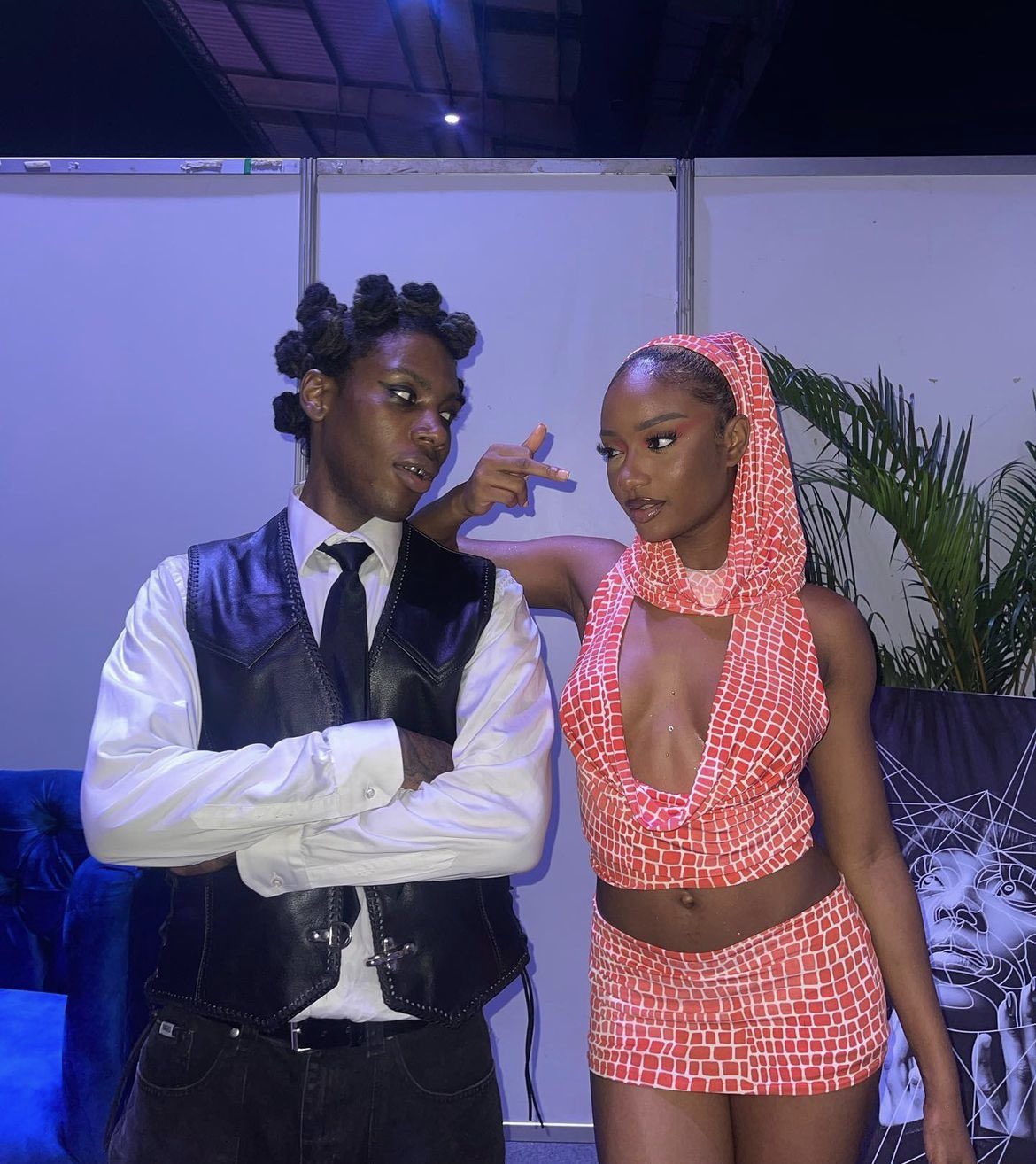
The look matters as much as the sound. Alte artists are responsible for some of the most influential Nigerian visual output of the last decade. Dyed hair, coloured contact lenses, vintage band tees, oversized leather, repurposed school uniforms and Y2K-era streetwear became the de facto uniform. Photographers including Stephen Tayo, who has since shot for international titles such as Vogue and i-D, came up documenting parties and shoots in and around the scene.
Fashion gave the movement a storefront as well as a mood board. WAFFLESNCREAM, the Lagos skate label founded by Jomi Marcus-Bello, dressed a good share of the artists in the early years and turned the aesthetic into something you could buy and wear. That commercial layer is part of why the silhouette travelled: you can spot it now in creative districts in Accra, Nairobi and London.
The Defining Artists
The roster of alte’s central figures is small but disproportionately influential, and each represents a slightly different angle on the scene.
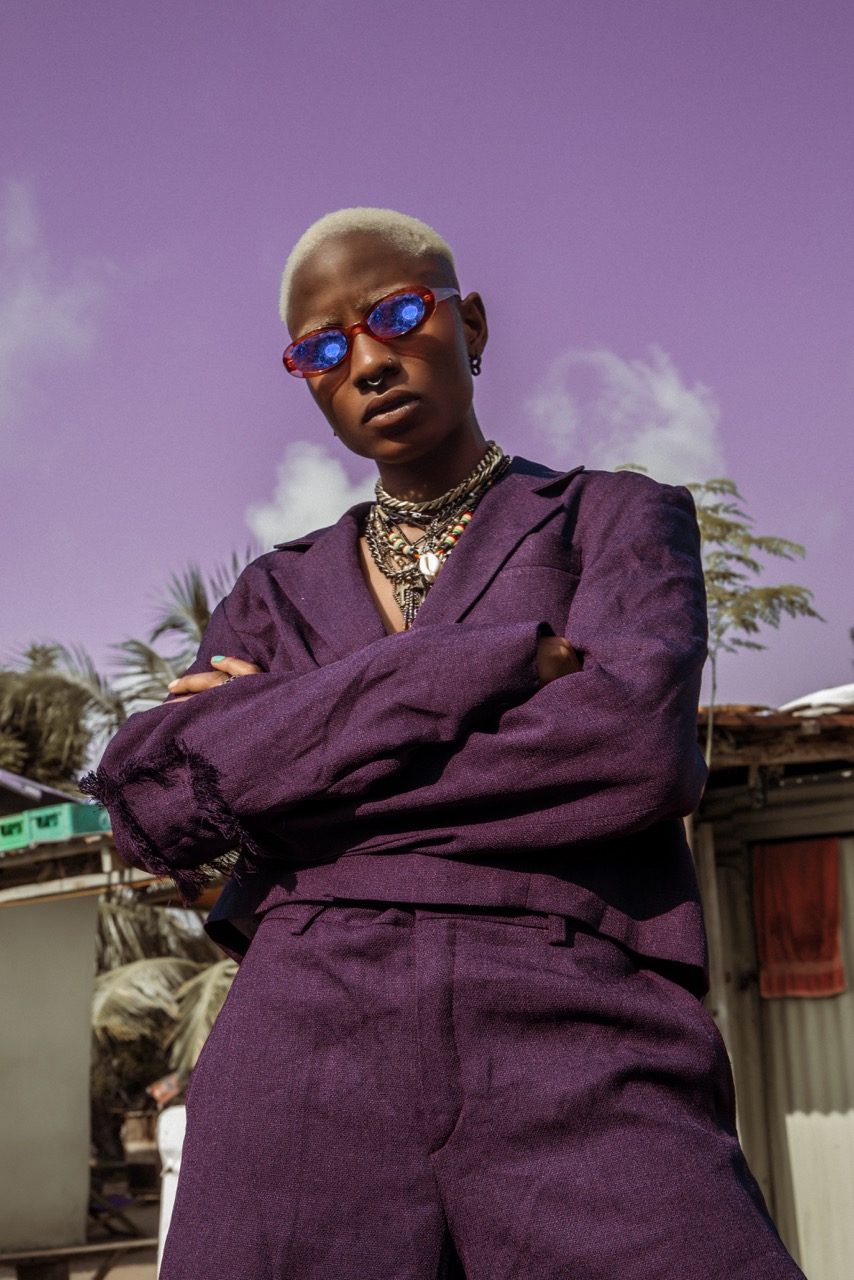
Cruel Santino
The closest thing alte has to a mascot. Cruel Santino, who adopted the name in place of Santi in 2019, has spent a decade building a self-contained universe of music, film and visual art. His albums Mandy & The Jungle and Subaru Boys: FINAL HEAVEN function more like soundtracks to imagined films than traditional records. He directs much of his own video work, which leans into anime, Japanese street culture and dystopian science fiction imagery.
Odunsi The Engine
Where Santino is moody and cryptic, Odunsi is bright and pop-literate. His 2018 album rare. remains one of the scene’s high-water marks, an exploration of romance and ambition that reaches for 1980s funk as easily as contemporary trap. He also produces for other artists, and his fingerprints sit on a good deal of the scene’s early sound.
Lady Donli
Lady Donli’s 2019 album Enjoy Your Life was a watershed for alte’s mainstream possibilities. Drawing on highlife, soul and jazz, the record showed that experimental Nigerian music could find a real audience without compromising. Her 2023 follow-up Pan African Rockstar widened the frame again while keeping the lyrical introspection that defines her work.