
## Table of Contents
- [The OG Returns to Command the Stage](#the-og-returns-to-command-the-stage)
- [A Masterclass in Festival Dominance](#a-masterclass-in-festival-dominance)
- [Mental Health Takes Center Stage](#mental-health-takes-center-stage)
- [Celebrating Immigrant Pride and Cultural Identity](#celebrating-immigrant-pride-and-cultural-identity)
- [The Evolution of a Reggaetón Pioneer](#the-evolution-of-a-reggaetón-pioneer)
- [Setting the Bar for Latin Music’s Future](#setting-the-bar-for-latin-musics-future)
The OG Returns to Command the Stage
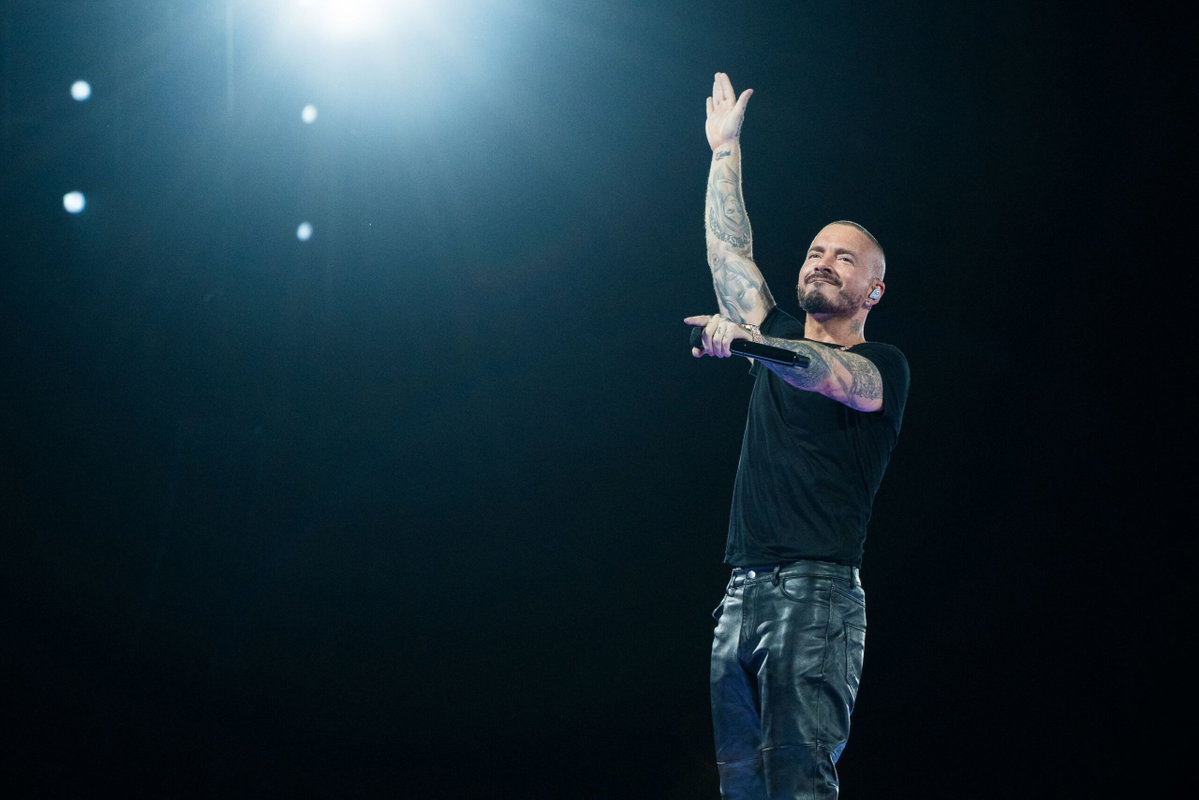
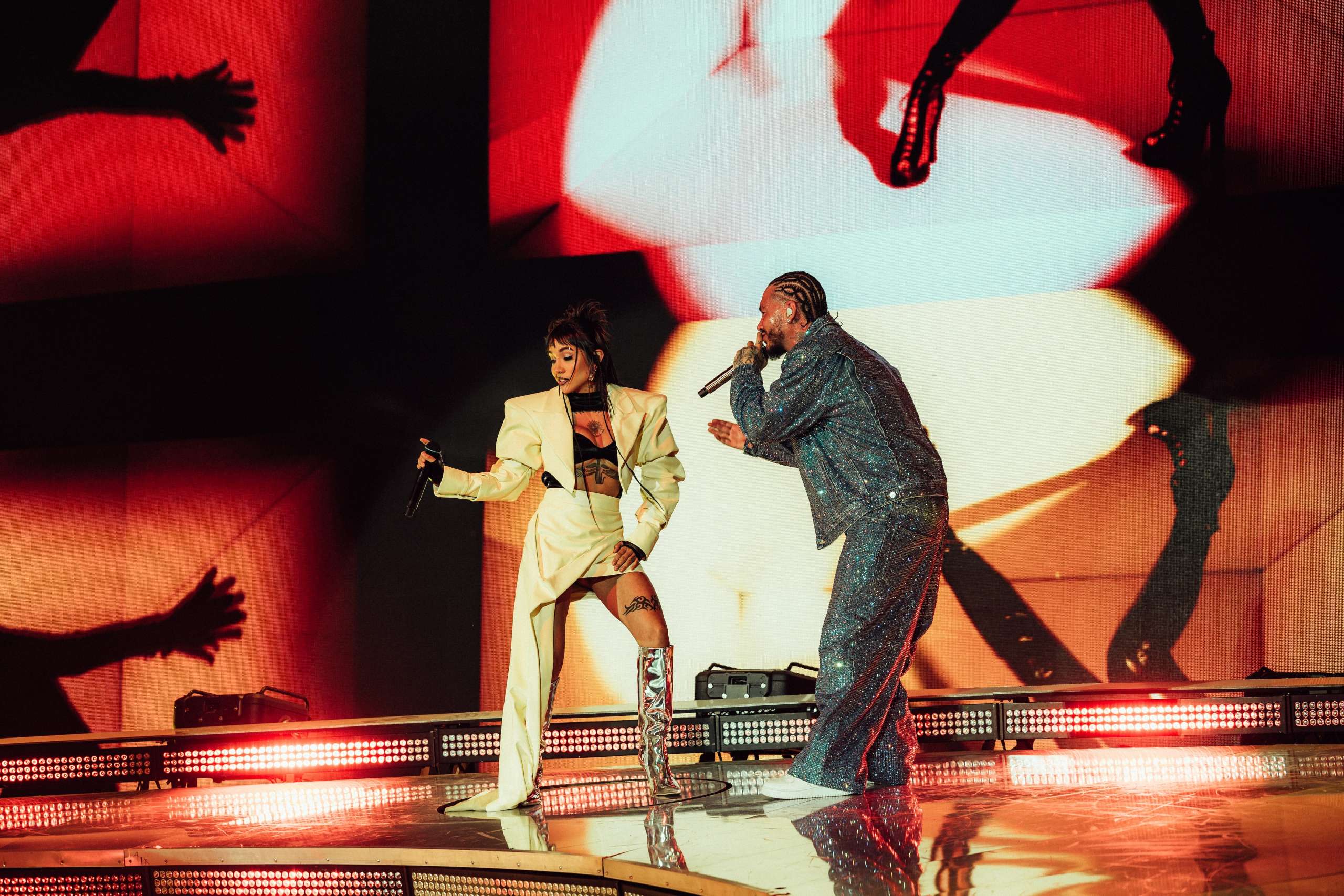
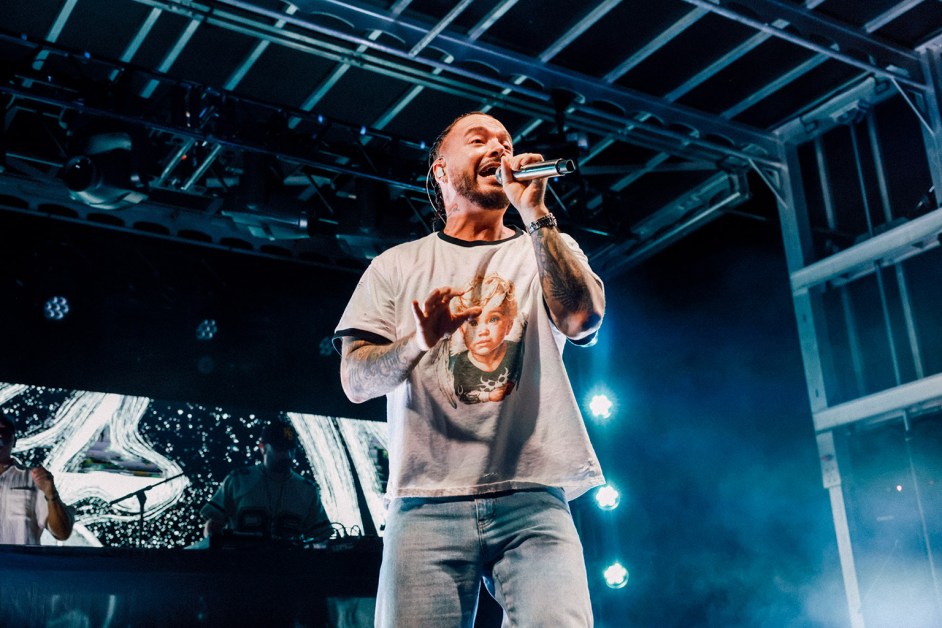
When J Balvin stepped onto the Sueños Festival stage in 2026, the energy was palpable even before he uttered his first word. The Colombian superstar, often dubbed one of reggaetón’s founding architects, had something to prove - not to his critics, but to a new generation of Latin music fans who might only know him from streaming playlists rather than his groundbreaking early work. What unfolded over the next 90 minutes was nothing short of a masterpiece, a reminder that despite the crowded field of rising Latin artists, there’s still something irreplaceable about witnessing a true pioneer at work. The crowd’s immediate eruption as the opening beats of “Mi Gente” thundered through the speakers confirmed what many industry insiders have long suspected: OG status in Latin music isn’t just about nostalgia, it’s about an undeniable connection that transcends generations.
A Masterclass in Festival Dominance
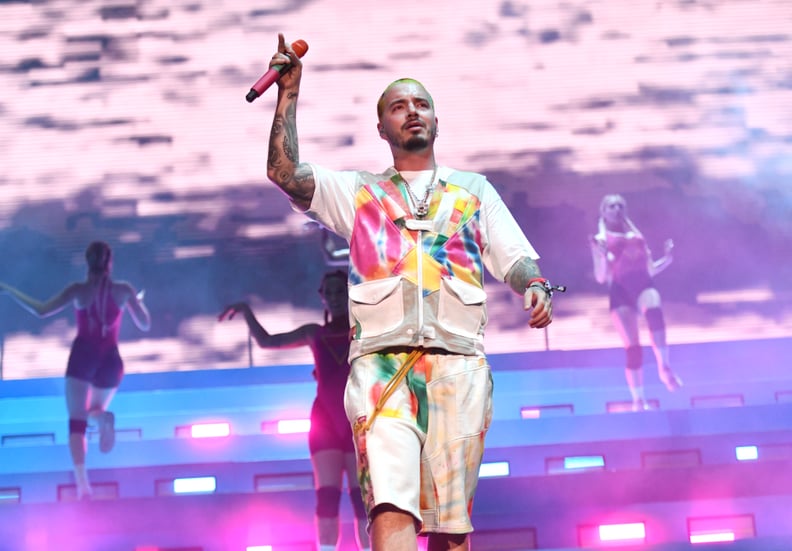
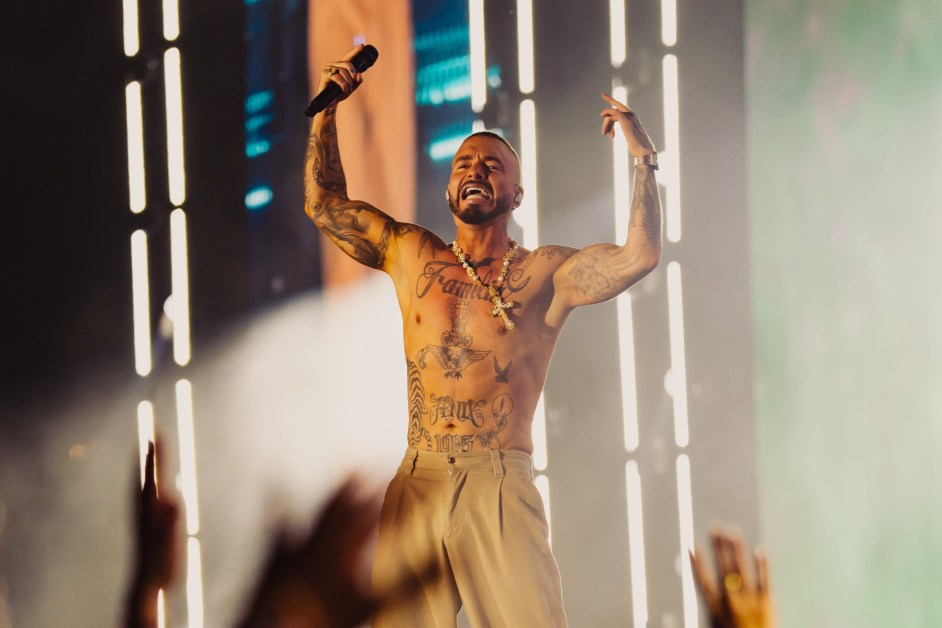
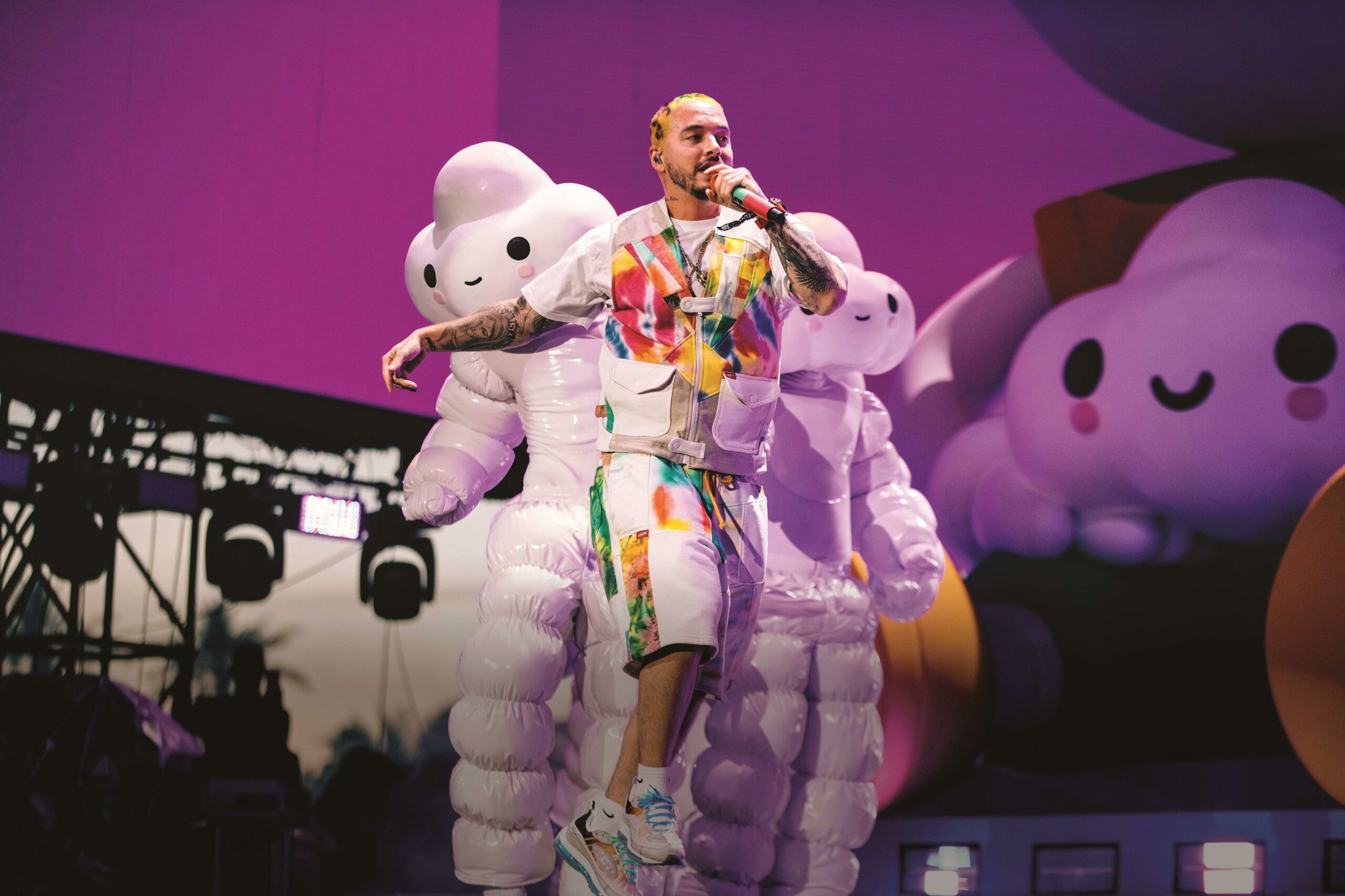
From the moment Balvin emerged in his signature colorful ensemble - a vibrant blend of neon greens and electric blues that seemed to glow under the festival lights - it was clear this wasn’t going to be just another festival set. The production value alone rivaled major headlining acts, with LED screens creating an immersive visual experience that complemented each song’s unique energy. His setlist was strategically crafted, weaving together chart-toppers like “Con Altura” and “I Like It” with deeper cuts that showcased his artistic evolution over the past decade. What separated this performance from typical festival appearances was Balvin’s ability to read the crowd’s energy and adjust accordingly, slowing things down during intimate moments before building back up to euphoric peaks that had thousands of fans moving as one unified force. The technical precision of his live vocals, often a weak point for reggaetón artists in festival settings, was notably impressive throughout the entire performance.
Mental Health Takes Center Stage
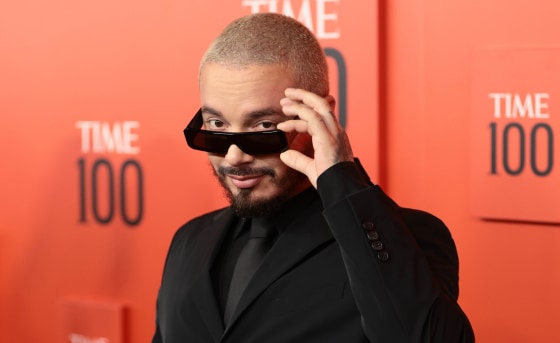
Perhaps the most powerful moment of Balvin’s set came when the music stopped entirely, and he addressed the crowd about mental health awareness - a cause he’s championed openly since his own struggles with anxiety and depression. Speaking in both Spanish and English, he shared how therapy and self-care had transformed not just his personal life but his approach to music creation. The vulnerability was striking, particularly coming from an artist who built his career on high-energy party anthems and larger-than-life personas. When he dedicated his performance of “Azul” to anyone in the audience dealing with mental health challenges, the silence that followed was profound before erupting into one of the night’s biggest cheers. This wasn’t performative activism or empty festival rhetoric - it was genuine connection from an artist who understands his platform’s responsibility to address real issues affecting his fanbase.