
How to Become a Professional Dancer: Training, Auditions, and Career Path
Performing Arts

How to Become a Professional Dancer: Training, Auditions, and Career Path

David Jituboh|
Ad SpaceArticle Top - 728x90
Advertisement

Can You Really Make a Living as a Dancer?
The question of how to become a dancer professionally is asked by thousands of aspiring performers every year, and the honest answer is that it is absolutely possible – but it requires a combination of talent, rigorous training, business savvy, and an almost stubborn resilience. Professional dancers work in a wide range of settings, from Broadway stages and concert tours to music videos, cruise ships, commercial advertising, film and television, theme parks, and corporate events. The Bureau of Labor Statistics reports that there are approximately 13,500 working dancers and choreographers in the United States, with the field expected to grow about 6 percent through 2032.

What surprises many aspiring dancers is that the most successful professionals are not always the most naturally gifted. The dancers who build long, sustainable careers tend to be the ones who approach dance as a business as well as an art. They understand marketing, networking, self-promotion, contract negotiation, and financial planning. They cross-train in multiple styles to maximize their booking opportunities. And they build personal brands that make them memorable to choreographers and casting directors. If you want to know how to become a dancer professionally, you need to be willing to treat your career with the same discipline you bring to your technique.

Dance Styles and Which Lead to Careers

Not all dance styles offer equal professional opportunities, and understanding the commercial landscape is essential for anyone figuring out how to become a dancer professionally. Ballet remains the foundation of most professional dance training, even for dancers who never intend to join a ballet company. The technical discipline, body awareness, and alignment principles that ballet instills translate directly into almost every other dance style. Major ballet companies like American Ballet Theatre, New York City Ballet, and the Royal Ballet hire roughly 60 to 100 dancers each, with fierce competition for every spot.

Contemporary and modern dance offer careers primarily through dance companies like Alvin Ailey American Dance Theater, Batsheva Dance Company, and Martha Graham Dance Company. These companies employ relatively small rosters – typically 15 to 30 dancers – but the work is artistically rewarding and often includes international touring. Contemporary skills are also increasingly in demand for commercial work, music videos, and concert touring.

Commercial dance styles – including hip hop, jazz funk, street styles, and commercial contemporary – are the broadest professional pathway for most working dancers. This is the world of music video work, concert touring for artists like Beyonce, Justin Bieber, and Dua Lipa, commercial advertising, film, and television. The commercial dance market in Los Angeles alone supports thousands of working dancers who piece together a living from multiple gig types. Jazz dance, particularly in its Broadway and theater forms, remains essential for anyone pursuing a career in musical theater.

Latin and ballroom dance styles lead to careers in competitive ballroom (where top professionals can earn $100,000 or more annually from competitions, teaching, and shows), entertainment shows like “Dancing with the Stars,” cruise ship entertainment, and Latin club performance. Tap dance, while more niche, has seen a resurgence in recent years with Broadway shows like “Shuffle Along” and “Bring in ‘da Noise, Bring in ‘da Funk” creating demand for skilled tappers.
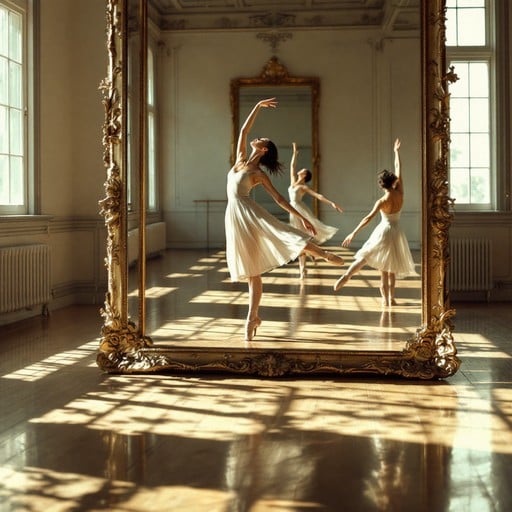
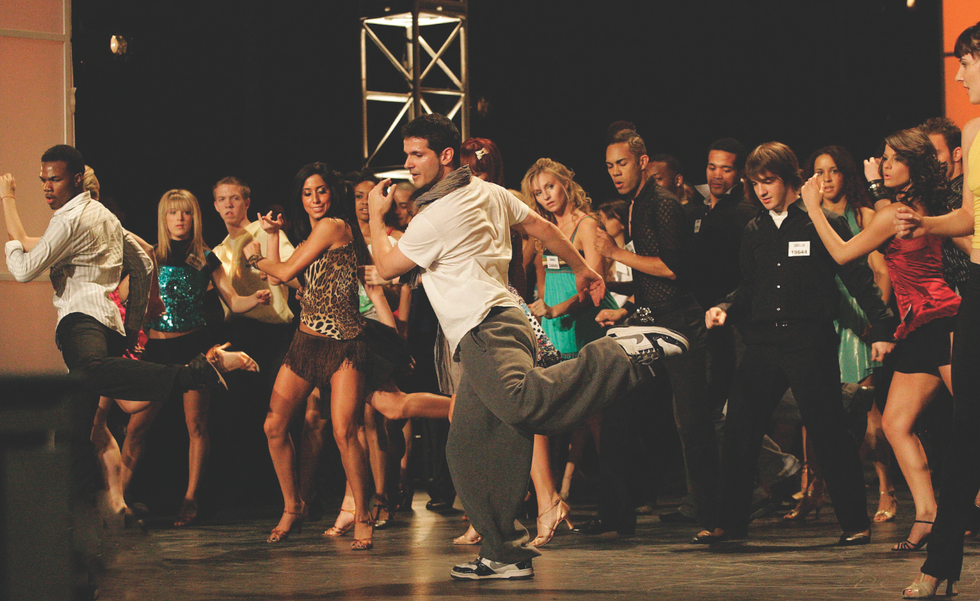
Four dancers performing different dance styles in a bright studio with mirrored walls
Image: StockCake

Training Pathways: Studio vs Conservatory vs Degree
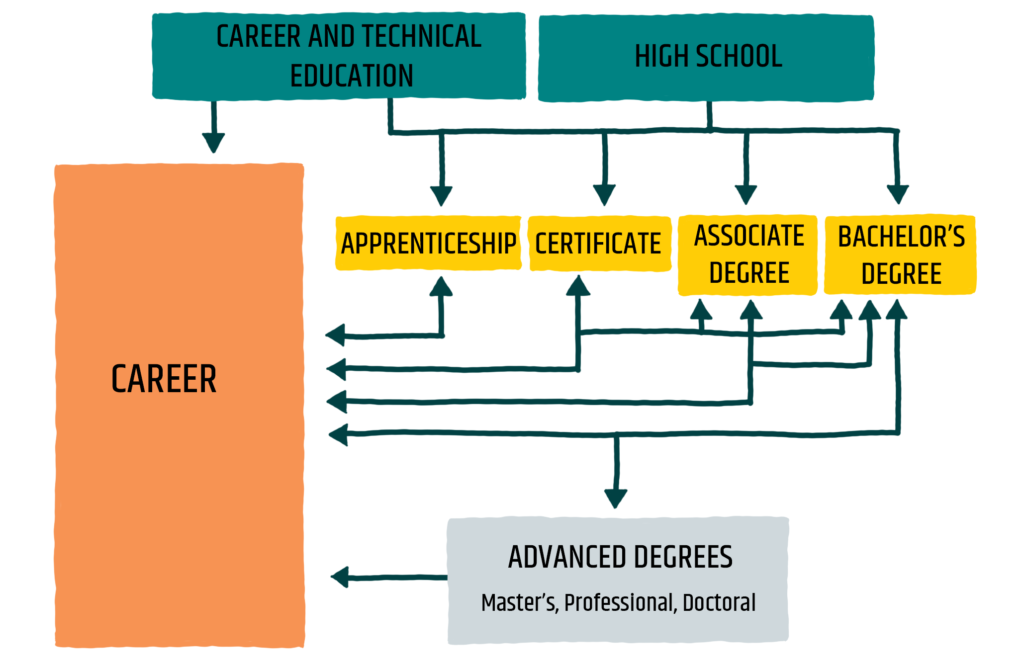
There are three primary pathways for serious dance training, and the best choice depends on your preferred career direction. Private dance studios and open classes in major cities (particularly Los Angeles and New York) are the most common training ground for commercial dancers. Studios like Millennium Dance Complex, Movement Lifestyle, and Broadway Dance Center in New York offer professional-level classes taught by working choreographers and industry professionals. Taking open classes regularly – often three to five classes per day, five to six days per week – is how most commercial dancers maintain their skills and stay visible to choreographers who may be casting upcoming projects.

Conservatory programs like the Juilliard School, Alvin Ailey/Fordham BFA, and the School of American Ballet provide intensive, immersive training focused almost exclusively on dance technique and performance. Conservatories typically produce dancers who go directly into concert dance companies or Broadway. The training is rigorous – students often take six to eight hours of classes per day – and the connections formed during a conservatory program can open doors for years afterward. Juilliard’s dance program accepts only about 24 students per year from thousands of applicants.

A four-year university BFA or BA in dance provides the broadest education, combining dance training with academic coursework, choreography, dance history, kinesiology, and pedagogy. University programs are particularly valuable for dancers who want to teach, choreograph, or work in arts administration alongside performing. Strong university dance programs include USC Glorya Kaufman School of Dance, NYU Tisch School of the Arts, SUNY Purchase, and University of the Arts in Philadelphia. The BFA degree also provides a credential for teaching positions at the college level, which many dancers pursue as their performing careers transition.

Building Your Dance Reel and Portfolio

In the professional dance world, your reel is your resume. A dance reel – a video compilation of your best performance footage – is the single most important marketing tool for a working dancer. Choreographers, casting directors, and agents review hundreds of reels when casting projects, and a strong reel can get you called into auditions that you would never have access to otherwise. Your reel should be 60 to 90 seconds long for a general submission, showcasing your range across styles, your technical ability, and your performance quality.

Building your reel requires strategic thinking. If you are just starting out and do not have professional performance footage, invest in a professionally shot dance video. Many videographers who specialize in dance content charge $200 to $500 for a session that can produce multiple usable clips. Choose locations with good natural light and clean backgrounds. Film yourself performing choreography that highlights your strengths – if you are a powerful hip hop dancer, lead with that. If you excel at lyrical contemporary, make sure that is prominently featured.

Beyond your reel, maintain an active social media presence. Instagram and TikTok have become essential platforms for professional dancers. Choreographers and casting directors routinely discover talent through social media, and a strong following can directly translate into booking opportunities. Post consistently – at least three to five times per week – showing your training, freestyle, choreography, and behind-the-scenes moments. Use relevant hashtags and tag choreographers, studios, and fellow dancers to increase your visibility within the professional dance community.

Audition Preparation and the Audition Circuit
Auditioning is the lifeblood of a professional dance career, and learning how to become a dancer professionally means learning how to audition effectively. Most professional dance jobs are filled through auditions, which can range from open cattle calls with 300 or more dancers to invite-only sessions with just 10 to 20 pre-selected performers. The audition format typically involves learning choreography quickly – often in as little as 15 to 30 minutes – then performing it in small groups while the choreographer and casting team evaluate.

Preparation for auditions goes far beyond learning choreography quickly. Successful auditioners arrive early, warmed up and ready to dance at full energy from the first combination. They dress strategically – wearing clothing that shows their body lines while being appropriate for the style of the project. For a hip hop tour audition, that might mean fitted joggers and a crop top. For a Broadway audition, it might mean jazz shoes, fitted pants, and a simple top. Your appearance at an audition communicates professionalism and awareness of the industry.

Finding auditions requires constant monitoring of multiple channels. Casting websites like Backstage, Casting Networks, and Dancers Who Act post professional dance auditions daily. Following choreographers and casting directors on Instagram provides access to audition announcements that may not appear on casting websites. Dance agencies send audition notices directly to their signed talent. And word of mouth within the dance community remains one of the most reliable sources of audition information – another reason why taking regular classes and building relationships in the studio is so important.

Rejection is an unavoidable reality of the audition circuit. Even top professionals book only a small percentage of the auditions they attend. A dancer might attend 50 to 100 auditions per year and book five to ten jobs. The ability to handle rejection without letting it erode your confidence is one of the most important psychological skills a professional dancer can develop. Many successful dancers keep an audition log, tracking every audition they attend, what they learned, and what they would do differently next time. This practice turns each audition – whether booked or not – into a learning opportunity.

Dance audition with dancers performing choreography while casting directors evaluate
Image: Dance Spirit

Types of Professional Dance Careers

Understanding the variety of professional dance careers available is crucial when figuring out how to become a dancer professionally. Each career path has different requirements, compensation structures, and lifestyle implications.

Backup Dancer and Concert Touring

Dancing on concert tours for major recording artists is one of the most lucrative and high-profile dance careers. Tour dancers for A-list artists like Beyonce, Lady Gaga, or The Weeknd can earn $2,000 to $5,000 per show, plus per diem for living expenses while on the road. A major world tour lasting six months to a year can gross a dancer $150,000 to $300,000 or more. However, competition for these positions is extreme – hundreds of dancers may audition for just six to twelve tour spots. The work requires enormous physical stamina, as tours often involve performing high-energy choreography five to six nights per week for months on end.

Broadway and Musical Theater

Broadway dancers are governed by the Actors’ Equity Association union, which sets minimum weekly salaries. As of the most recent contract, the minimum weekly salary for a Broadway ensemble member is approximately $2,300 per week, with many dancers earning above the minimum depending on their role and the production. A dancer in a hit Broadway show that runs for a year or more can earn $120,000 to $150,000 annually with steady employment. National tours of Broadway shows pay similar rates and provide extended employment, often lasting 6 to 18 months.

Music Videos

Music video work pays anywhere from $500 to $3,000 per day depending on the artist, the budget, and whether the dancer has union status. High-budget music videos for major label artists typically pay $1,500 to $3,000 per day for dancers, with shoot days running 10 to 14 hours. Lower-budget independent music videos may pay $350 to $800. Music video work is sporadic – a dancer might book two to three music videos per month during busy periods and go weeks without a booking during slow seasons.

Cruise Ships

Cruise ship entertainment contracts provide steady employment with free room and board, making them an attractive option for dancers building their careers. Contracts typically last four to eight months, with dancers performing in production shows multiple times per week. Pay ranges from $2,000 to $4,000 per month, but since housing, food, and transportation are covered, dancers can save a significant portion of their earnings. Major cruise lines like Royal Caribbean, Norwegian, and Disney Cruise Line hire hundreds of dancers annually.

Commercial and Corporate Work

Commercial dance work – advertising campaigns, corporate events, brand activations, and trade shows – can be surprisingly lucrative. A national television commercial featuring a dancer can pay $5,000 to $15,000 or more, with residual payments generating additional income each time the commercial airs. Corporate event performances typically pay $500 to $2,000 per show. This type of work requires versatility and professionalism above all else, as clients expect dancers to be reliable, adaptable, and easy to work with on set.

Dance Agencies and Representation

Having a dance agent significantly expands your access to professional opportunities. Agents have relationships with choreographers, casting directors, and production companies that individual dancers typically cannot access on their own. Major dance agencies in Los Angeles include MSA Agency, Clear Talent Group, McDonald Selznick Associates, and Bloc Agency. In New York, Cunningham Escott Slevin Doherty, CESD, and DDO Artists Agency are among the top agencies for dancers.

Getting signed by an agency typically requires submitting a headshot, resume, and dance reel, followed by an in-person audition or meeting if the agency is interested. Some agencies hold open auditions periodically, while others accept submissions by referral only. Having a recommendation from a choreographer or industry professional who already works with the agency dramatically increases your chances of getting signed. Agents typically take a 10 to 15 percent commission on bookings they secure for you.

Not every working dancer needs an agent, and not every dancer should rush to get representation. If you are just starting your career and do not yet have significant professional credits, focus first on building your skills, reel, and resume through open auditions and independent bookings. Once you have enough credits and experience to demonstrate that you are a working professional, agencies will be more interested in representing you, and you will be better positioned to attract a reputable agent rather than signing with a less established agency out of desperation.

Professional dancer stretching and conditioning in a modern gym with foam rollers and resistance bands
Image: www.self.com

Physical Conditioning and Injury Prevention

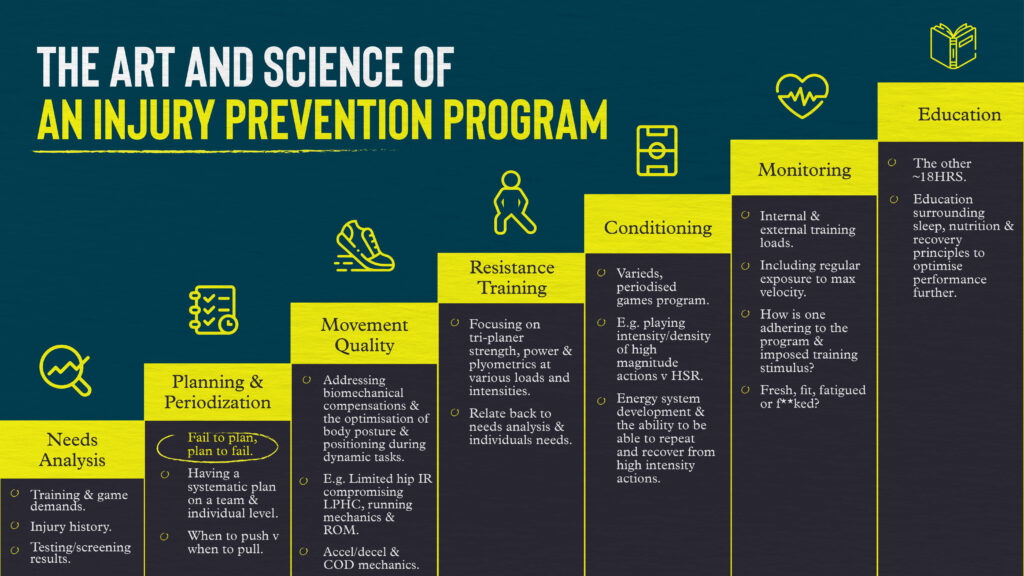
A professional dance career places extraordinary demands on the body, and understanding how to become a dancer professionally means understanding how to maintain your body as your primary instrument. Cross-training is essential for dance longevity. Most professional dancers supplement their dance training with strength training (focusing on core stability, glute activation, and upper body strength), cardiovascular conditioning, flexibility work, and mobility training. Pilates and yoga are particularly popular among professional dancers because they build strength without adding bulk and improve body awareness and alignment.

Injury prevention should be a top priority from day one of your professional career. Common dance injuries include ankle sprains, knee ligament tears (ACL injuries are particularly devastating), hip impingement, stress fractures in the feet and shins, and lower back problems. Many of these injuries result from overtraining, inadequate warm-up, poor nutrition, or dancing through pain instead of resting. A proactive approach to injury prevention – including regular bodywork (massage, physical therapy, chiropractic care), adequate sleep, proper nutrition, and honest communication with choreographers about your physical limits – can extend a dance career by years or even decades.

Nutrition is a critical and often overlooked component of dance conditioning. Professional dancers are athletes, and they need to fuel their bodies accordingly. The idea that dancers should restrict calories or maintain an unnaturally thin physique is outdated and dangerous. Today’s professional dance industry increasingly values strong, healthy bodies that can perform demanding choreography with power and stamina. A diet rich in lean protein, complex carbohydrates, healthy fats, fruits, and vegetables – combined with adequate hydration – provides the foundation for sustained professional performance.

Income Expectations by Gig Type

Financial realism is important for anyone learning how to become a dancer professionally. The median annual wage for dancers in the United States is approximately $38,000 to $42,000, though this figure includes many part-time and seasonal workers. Full-time professional dancers who hustle effectively and diversify their income streams can earn $50,000 to $100,000 or more annually. Top dancers working consistently on major tours, Broadway shows, and national commercials can earn well over $150,000 per year.

Most professional dancers build their income from multiple sources rather than relying on a single employer. A typical month might include two days of commercial dance work ($2,000 to $4,000), a weekend of corporate event performances ($1,000 to $2,000), teaching classes at a studio ($1,500 to $3,000 for 10 to 15 classes), and social media brand partnerships ($500 to $2,000). This diversified approach provides more income stability than waiting for a single big booking and keeps dancers actively engaged across multiple areas of the industry.

Teaching is one of the most reliable income sources for professional dancers. Experienced dancers can earn $75 to $250 per class at established studios, with choreographers who have name recognition earning even more. Private coaching for aspiring professionals or competition teams can pay $100 to $300 per hour. Many dancers also earn income through workshops, masterclasses, and conventions, traveling to cities around the country (or internationally) to teach weekend intensives that can pay $1,000 to $5,000 per engagement.

Career Longevity and Transition Planning

Professional dance careers are physically demanding and often shorter than careers in other fields. Most dancers find that their peak performing years span from their early twenties to their mid-thirties, though many continue performing into their forties and beyond in certain styles and contexts. Planning for career transition is not a sign of pessimism – it is smart professionalism. Many dancers transition into choreography, teaching, arts administration, dance therapy, fitness instruction, or entertainment industry roles that leverage their industry knowledge and connections.

Financial planning is particularly important given the irregular nature of dance income. Professional dancers should establish an emergency fund covering at least three to six months of living expenses, contribute to retirement savings whenever possible (even small amounts add up over time), and consider health insurance options carefully since many dance jobs do not provide benefits. Some dancers join unions like the Screen Actors Guild (SAG-AFTRA) or Actors’ Equity Association, which provide access to health insurance and pension benefits after meeting minimum earning thresholds.

The most successful long-term dance professionals continuously expand their skill sets. Learning choreography, developing teaching methodology, studying business fundamentals, building a social media brand, and networking across the broader entertainment industry all create pathways that extend well beyond the performing years. The dance industry rewards people who stay engaged and continue contributing, whether they are on stage or behind the scenes.

Key Takeaways

  • Professional dance careers exist across many formats – concert touring, Broadway, music videos, cruise ships, commercial work, and more – each with different requirements and pay scales.
  • Training pathways include private studios, conservatories, and university programs, with ballet providing the strongest technical foundation regardless of your intended style.
  • Your dance reel and social media presence are your two most important marketing tools – invest time and resources in making both as strong as possible.
  • Most professional dancers build income from multiple sources including performing, teaching, choreographing, and brand partnerships, with annual earnings ranging from $38,000 to $150,000 or more.
  • Physical conditioning, injury prevention, and proper nutrition are essential for sustaining a long dance career – your body is your instrument and must be maintained accordingly.
  • Plan for career transition from the beginning by developing skills in choreography, teaching, business, and other areas that will serve you beyond your peak performing years.

Frequently Asked Questions

How old is too old to start a professional dance career?

There is no strict age cutoff for beginning a professional dance career, though starting younger provides more time to develop technique. Dancers who begin serious training in their late teens or early twenties can absolutely build professional careers, particularly in commercial and contemporary styles that place less emphasis on the extreme technical foundation that ballet requires from childhood training. Many successful commercial dancers began focused training at 16 to 20 years old. The key is intensity and consistency of training rather than the age at which you start.

Do I need a college degree to be a professional dancer?

No. A college degree is not required for most professional dance jobs. Many successful working dancers never attended college or left school to pursue performing opportunities. However, a BFA in dance from a strong program provides valuable training, industry connections, and a credential that can be useful for teaching positions. The decision should depend on your career goals – if you want to teach at the college level eventually, a degree (and likely an MFA) will be necessary. If you want to tour and perform commercially, investing that time in classes and auditions in Los Angeles or New York may be more directly beneficial.

How much money do professional dancers make?

Income varies enormously. The Bureau of Labor Statistics reports a median annual wage of approximately $38,000 to $42,000 for dancers, but this includes many part-time workers. Full-time dancers who work consistently across multiple gig types typically earn $50,000 to $100,000 annually. Tour dancers for major artists can earn $150,000 to $300,000 during a major tour year. Broadway ensemble members earn approximately $120,000 to $150,000 per year in a running show. Teaching, choreography, and commercial work provide additional income streams.

What is the best city to pursue a professional dance career?

Los Angeles and New York City are the two primary markets for professional dancers in the United States. Los Angeles is the center of the commercial dance industry – music videos, concerts, film, television, and advertising. New York is the center of Broadway, concert dance companies, and theater. Some dancers split their time between both cities. International markets including London, Seoul, Tokyo, and Dubai also offer professional dance opportunities, particularly for commercial and entertainment work.

How do I get a dance agent?

The most effective way to get a dance agent is through industry referrals. If a choreographer you have worked with is willing to recommend you to their agency, that introduction carries far more weight than a cold submission. Beyond referrals, submit a professional headshot, resume, and dance reel to agencies that represent dancers in your style category. Some agencies hold periodic open auditions. Build your credits and reel through open auditions first, and approach agencies once you have enough professional experience to demonstrate your viability as a working dancer.

Ad SpaceIn-Article - 300x250
Advertisement
Share
How to Become a Professional Dancer: Training, Auditions, and Career Path - Sidomex Entertainment