Before diving into the mechanics of how to become a child actor, the most important question any parent should ask is whether this is genuinely what their child wants. The entertainment industry can be an extraordinary experience for young people - building confidence, developing creativity, teaching teamwork, and providing financial opportunities. But it can also be demanding, unpredictable, and emotionally challenging.
Children who thrive in acting typically share certain traits: they enjoy performing and being the center of attention, they can follow directions from adults they do not know, they handle rejection without falling apart, and most importantly, they genuinely love the process - not just the idea of being famous. A child who lights up during school plays, makes up stories and characters at home, or naturally gravitates toward performing for family members may be a good candidate.
Conversely, if the desire to act comes primarily from the parent rather than the child, it is time to pause and reconsider. Former child actors from Macaulay Culkin to Mara Wilson have spoken publicly about the pressures they faced, and the children who emerge from the industry healthiest are consistently those whose parents treated acting as an enriching activity rather than a career obligation.
The child acting industry in the United States alone generates billions of dollars annually through film, television, commercials, voice acting, and theater. Networks and streaming platforms like Disney Channel, Nickelodeon, Netflix, and HBO are constantly casting young performers. In 2023, SAG-AFTRA reported that minors accounted for approximately 8% of all union acting contracts, representing thousands of individual bookings.
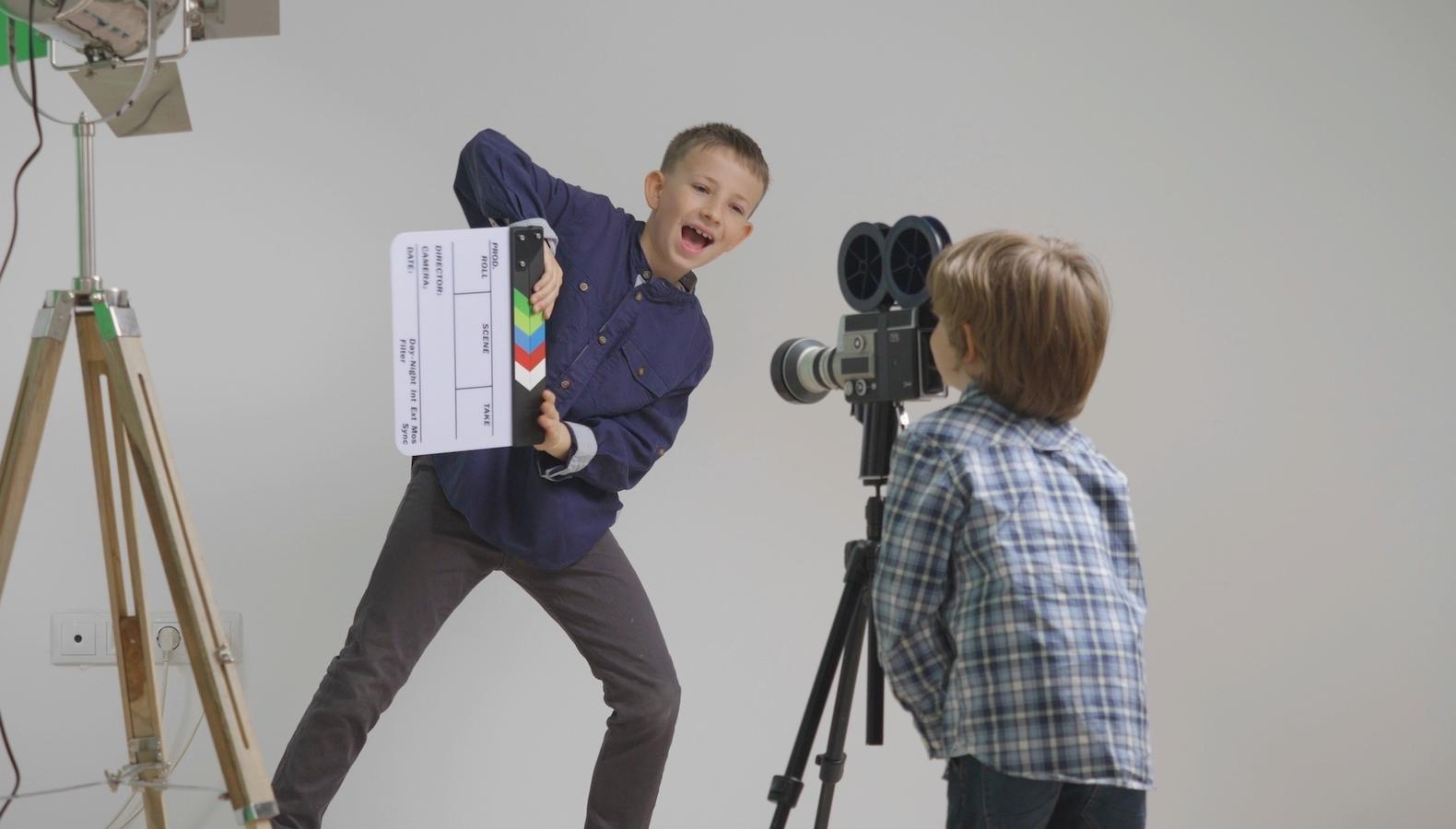
Image: Studio Playground
Getting Started: Training and Preparation
Understanding how to become a child actor starts with building a foundation of skills. While natural talent matters, training gives young performers the tools to channel that talent effectively and the confidence to walk into audition rooms prepared.
Acting Classes for Children
Look for acting classes specifically designed for children, taught by instructors with experience in youth education. Avoid adult acting techniques like intense method acting, which are inappropriate for young performers. Good children’s acting classes focus on imagination, improvisation, basic scene work, and having fun with the craft.
Reputable programs include the Young Actors Workshop at many regional theaters, Barbizon Modeling and Acting (which has locations nationwide), and local community theater youth programs. In major markets like Los Angeles and New York, specialized studios like the Young Actors Space in LA or the Lee Strasberg Theatre and Film Institute’s youth program offer more intensive training.
Expect to pay between $150 and $400 per month for quality children’s acting classes, depending on your location and the program’s intensity. Some community theaters offer free or low-cost youth programs, making them an excellent starting point for families on a budget.
Building Experience Through Community Theater
Community theater is the ideal training ground for aspiring child actors. It provides real performance experience, teaches discipline and collaboration, and helps children discover whether they truly enjoy the commitment that acting requires. Most community theaters hold open auditions for their shows, and many specifically produce family-friendly productions that feature young performers.
Headshots and Resumes
Professional headshots are essential for any child pursuing acting seriously. A good headshot photographer who specializes in actors will typically charge between $200 and $500 for a session that produces several usable images. The photos should look natural - like a really good snapshot rather than a glamour shot. Avoid heavy makeup, elaborate hairstyles, or overly posed expressions. Casting directors want to see what your child actually looks like.
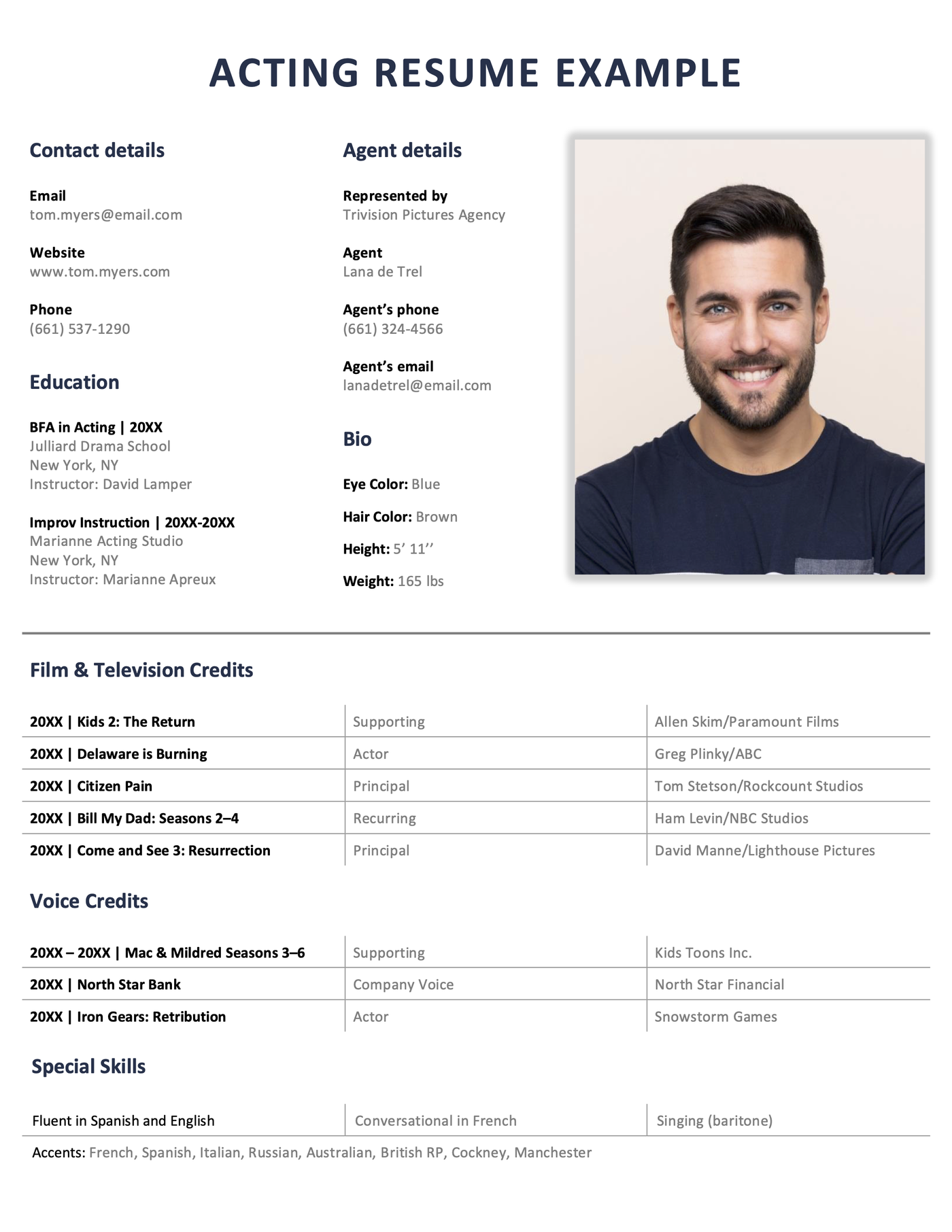
Your child’s resume should list any training, school plays, community theater roles, and special skills (singing, dancing, martial arts, playing an instrument, speaking another language). Even if the resume is sparse at first, a well-organized document shows professionalism.
Finding a Legitimate Talent Agent
A talent agent is essential for accessing professional auditions, particularly for film and television work. Casting directors for major productions typically only accept submissions through licensed talent agencies, making an agent your child’s gateway to serious opportunities.
When figuring out how to become a child actor in a professional capacity, finding the right agent is one of the most important steps. Here is how to identify legitimate agents:
They are franchised by SAG-AFTRA or affiliated with a recognized industry organization
They never charge upfront fees. Legitimate agents earn a commission (typically 10%) only when your child books a job
They do not require you to use a specific photographer, acting class, or manager as a condition of representation
They have a physical office and a verifiable track record of placing clients in professional work
They are listed on reputable databases like IMDbPro or the SAG-AFTRA agency list
Image: iPopLA
To get an agent, you can submit your child’s headshot and resume directly to agencies that represent minors. In Los Angeles, agencies like CESD, Abrams Artists, and Osbrink Talent specialize in young performers. In New York, agencies like Don Buchwald and Paradigm have dedicated youth divisions. Many agents also discover young talent through showcases, theater performances, and referrals from acting teachers.
The Audition Process for Kids
Once your child has representation, auditions become a regular part of life. Understanding what to expect helps both parents and children navigate this process with confidence and minimal stress.
Types of Auditions
Commercial auditions are typically the first type of professional audition a child will attend. They are usually brief (5-10 minutes), involve simple direction like “look happy while eating cereal,” and are the most common booking opportunity for young actors. Television and film auditions are more involved, often requiring the child to prepare sides (selected scenes from the script) in advance.
Self-tape auditions have become increasingly common since 2020, with many casting directors requesting video submissions before inviting actors to in-person callbacks. This means you will need a simple home setup: a neutral background, good lighting (natural daylight works well), and a smartphone or camera capable of recording clear video with clean audio.
What Happens in the Audition Room
A typical in-person audition involves your child entering the room (parents usually wait outside), greeting the casting director, standing on a mark, and performing the prepared material or following direction for improvised scenarios. The entire process might take three to ten minutes. Callbacks - second and third auditions for the same role - indicate serious interest and may involve meeting the director or performing with other actors being considered for the project.
Ad SpaceIn-Article - 300x250
Advertisement
Prepare your child for rejection as a normal part of the process. Even successful child actors book only a small fraction of the roles they audition for. The general industry statistic is that actors book roughly 1 in 20 to 1 in 50 auditions, and for highly competitive roles, the odds can be even longer. Teaching your child to view each audition as a fun performance opportunity rather than a pass-or-fail test is crucial for their emotional health.
Legal Protections and Child Labor Laws
Understanding child labor laws is critical for any parent exploring how to become a child actor. These laws exist to protect young performers, and knowing your rights ensures your child’s wellbeing on set.
In California, which has some of the most comprehensive entertainment industry child labor laws, key protections include:
Children under 6 months old cannot work on set at all
Children aged 6 months to 2 years can work a maximum of 2 hours per day
Children aged 2-5 can work up to 3 hours per day
Children aged 6-8 can work up to 4 hours per day
Children aged 9-15 can work up to 5 hours on school days and up to 7 hours on non-school days
Children aged 16-17 can work up to 6 hours on school days and up to 8 hours on non-school days
A studio teacher (also called a set teacher or welfare worker) must be present on set whenever a minor is working. This person ensures the child receives required educational instruction during the workday and monitors compliance with labor laws. Productions are legally required to provide the studio teacher at their own expense.
Image: The Hollywood Reporter
Managing Finances and Coogan Law
The California Child Actor’s Bill, commonly known as the Coogan Law (named after child star Jackie Coogan, whose parents squandered his earnings), requires that 15% of a minor’s gross earnings be set aside in a blocked trust account - often called a Coogan Account - that the child can access when they turn 18.
This law, which has been adopted in some form by New York and several other states, was enacted after Jackie Coogan discovered upon reaching adulthood that his parents had spent virtually all of the $4 million he earned as a child star in the 1920s and 1930s. Today, the Coogan Account must be established at a financial institution, and the employer is responsible for depositing the required percentage directly into the trust.
Beyond the Coogan Account, parents should maintain careful financial records of all earnings and expenses related to their child’s acting career. Legitimate expenses - including agent commissions (10%), manager commissions (10-15% if applicable), acting classes, headshots, and transportation to auditions - can add up quickly. A child who earns $5,000 from a commercial booking might net significantly less after commissions, taxes, and the Coogan trust set-aside.
Avoiding Scams and Predatory Practices
Unfortunately, the desire to help children break into acting makes parents targets for scammers. The Federal Trade Commission regularly receives complaints about fraudulent talent agencies and modeling schools that prey on families.
Red flags to watch for include:
Upfront fees. Any agency that charges fees before your child has booked work is not legitimate. Real agents work on commission
Pressure tactics. “Your child has incredible potential, but they need to sign up for our $2,000 workshop today” is a classic scam
Guaranteed bookings. No legitimate agent can guarantee work. Anyone who promises your child will definitely book jobs is lying
Required services. If an agency insists your child must use their affiliated photographer, take their classes, or sign with their management company, walk away
Vague credentials. Ask for specific examples of clients they have placed in verifiable productions. Check their claims on IMDb
The Better Business Bureau, your state’s Attorney General office, and SAG-AFTRA’s website are all resources for verifying the legitimacy of agencies and training programs. When in doubt, contact SAG-AFTRA directly - their office can confirm whether an agency is franchised.
Balancing Acting with School and Childhood
The most important thing to remember about how to become a child actor is that the “child” part comes first. Education, friendships, play, and normal developmental experiences should never be sacrificed for an acting career.
Successful child actor parents often establish clear boundaries: acting is an extracurricular activity, not a full-time job. Homework comes before audition preparation. If grades drop, acting activities pause until they recover. Family vacations are not canceled for auditions. These boundaries protect the child and, paradoxically, often lead to better performances because a well-rounded, emotionally healthy child brings more genuine life experience to their work.
Many working child actors attend regular schools and simply miss occasional days for bookings. Others, particularly those with recurring roles on television series, work with on-set tutors or enroll in independent study programs. In California, productions are legally required to provide three hours of educational instruction for every day a child works on set during the school year.
Pay attention to your child’s emotional state. If they start dreading auditions, seem anxious about performing, or express a desire to stop, listen to them. Some children love acting at age 8 and lose interest at 12. Others discover their passion in their teens. Forcing a child to continue when they want to stop can damage both their mental health and their relationship with performing arts.
Image: StockCake
Key Takeaways
The desire to act must come from the child, not the parent - children who thrive in the industry genuinely enjoy performing
Start with acting classes and community theater to build skills and determine if your child truly loves the craft
Legitimate talent agents never charge upfront fees - they earn commission only when your child books work
Know your state’s child labor laws and ensure every production complies with them
Set up a Coogan Account to protect at least 15% of your child’s earnings for their future
Learn to recognize scams: no one can guarantee bookings, and upfront fees are always a red flag
Prioritize education, friendships, and emotional wellbeing above career ambitions
Frequently Asked Questions
What age can a child start acting professionally?
Children can begin working professionally as young as 15 days old in some states for print work, and 6 months old for on-camera work in California. However, most casting for speaking roles targets children aged 5 and older, when kids can reliably follow direction, memorize simple lines, and handle the structured environment of a professional set. Many successful actors - including Natalie Portman and Leonardo DiCaprio - began their careers around ages 10-12.
How much does it cost to get a child into acting?
Initial costs typically include acting classes ($150-$400 per month), professional headshots ($200-$500), and transportation to auditions. In a major market like Los Angeles or New York, a family might spend $3,000 to $5,000 in the first year before the child books any paying work. It is important to treat these as investments in your child’s development rather than guaranteed returns, since there is no certainty of booking paid work.
Does my child need to live in Los Angeles or New York?
While LA and New York remain the primary markets for film and television work, the industry has expanded significantly. Atlanta, Vancouver, Chicago, and Austin all have growing production industries. Many casting directors now accept self-tape auditions, which allows children anywhere in the country to be considered for roles. Starting locally with commercials, regional theater, and local productions can build valuable experience before considering a market move.
How do I protect my child’s earnings?
Open a Coogan Account at a qualifying financial institution as soon as your child starts earning. This blocked trust account protects at least 15% of their gross earnings until they turn 18. Beyond the legal minimum, many financial advisors recommend setting aside a higher percentage - 50% or more - for the child’s future. Consult with a tax professional experienced in entertainment industry finances to ensure proper handling of earnings and deductions.
Ad SpaceIn-Article - 300x250
Advertisement
Share
Get the recap
Loved this story? Get more like it.
Join readers who get our weekly entertainment recap - the stories worth your time, delivered every Friday.
No spam. Unsubscribe anytime. By signing up you agree to our Privacy Policy.