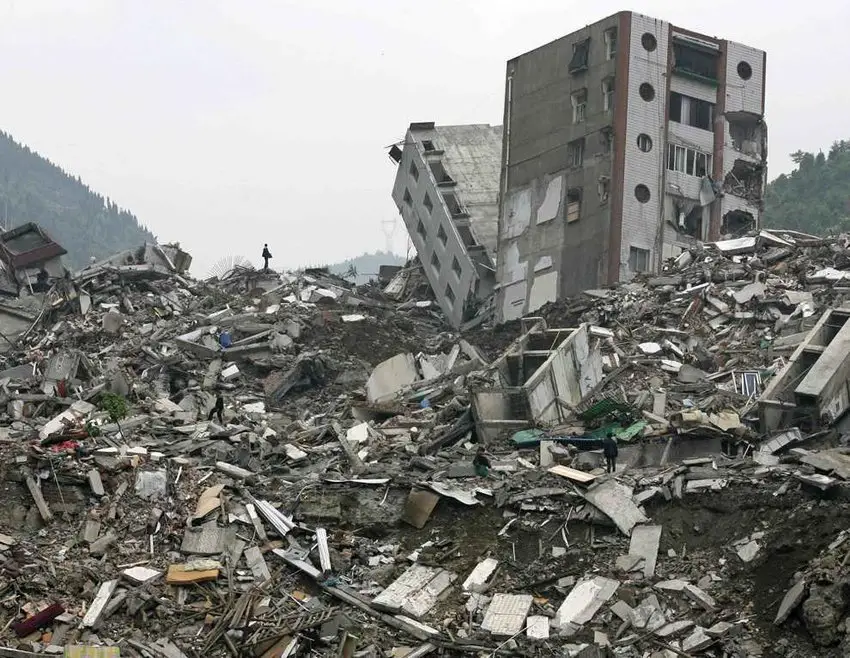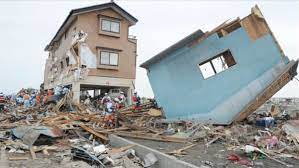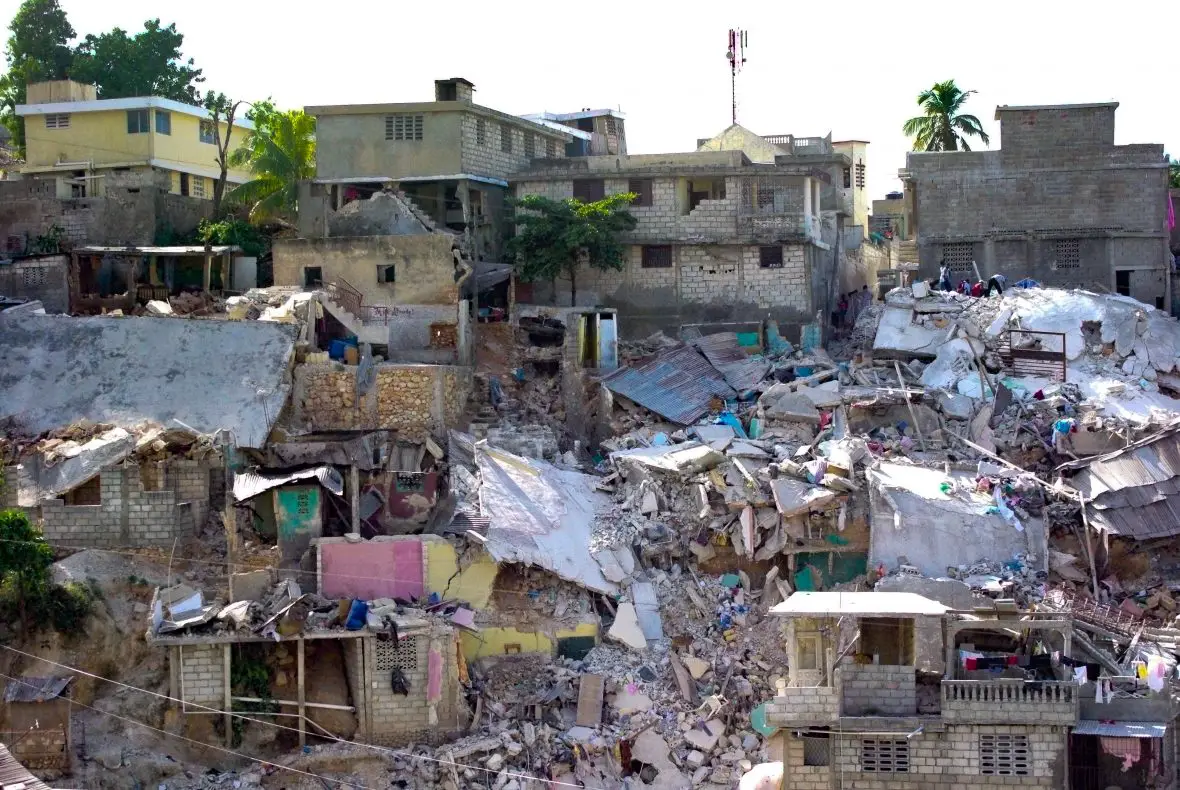
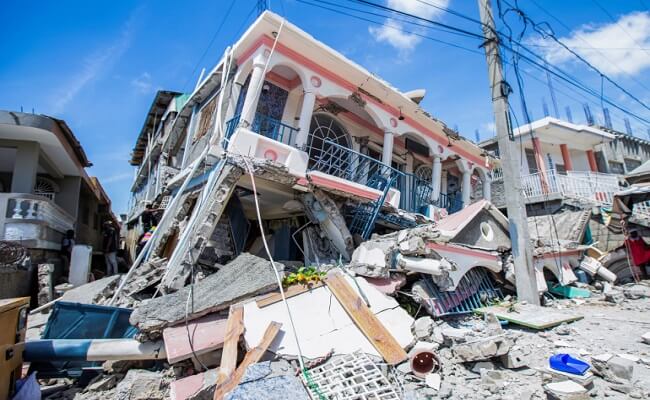
The Haiti earthquake has claimed 1,400+ lives and counting since it hit the island on 14 August 2021, here we have compiled a list of the 10 deadliest earthquakes in recent years.
Earthquake in Haiti again? The island can’t seem to catch a break. Barely a month after the assassination of her president and just a decade after a deadly earthquake, the country is once again experiencing one of the most brutal tragedies known to man. On 14 August 2021, the Caribbean country was hit by a magnitude 7.2 quake. The quake is reportedly deadlier than the 2010 quake, which killed more than 220,000 people, and has since severely damaged several cities, burying people in the rubble of collapsed buildings. It is also noteworthy that the death toll is still on a steady rise.
It has been said that nature can be as cruel as it is beautiful, and this is true. While humans have, through our actions, caused many disasters, nothing beats the magnitude and deadliness of natural disasters. Earthquakes, Tsunamis, Tornadoes, Hurricanes, Floods and more are some of the most violent natural disasters known to man. Each of these has caused catastrophic and devastating losses over the years-some deadlier than others.
In recent years, our planet has witnessed several fatal earthquakes in history, with the recent one in Haiti being among the top 20 deadliest of all time. In this piece, we will take a look at the ten deadliest recent earthquakes by number of deaths.
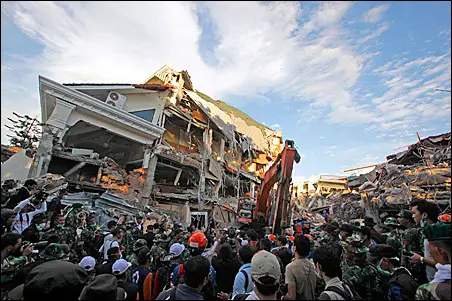
10. 2009 Sumatra earthquakes (1,115 deaths)
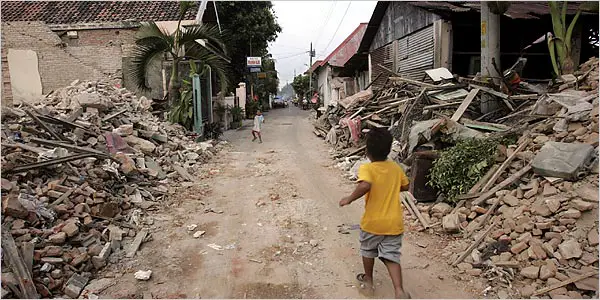
The first of the 2009 Sumatra earthquakes occurred on 30 September off the coast of Sumatra, Indonesia, with a moment magnitude of 7.6. Reports confirmed 1,115 dead, 1,214 severely injured and 1,688 slightly injured. About 135,000 houses were severely damaged, 65,000 were moderately damaged, and 79,000 were slightly damaged. Over 1.2 million people were affected by the earthquake through the total or partial loss of their homes and livelihoods.
9. 2021 Haiti earthquake (1,419 deaths and counting)
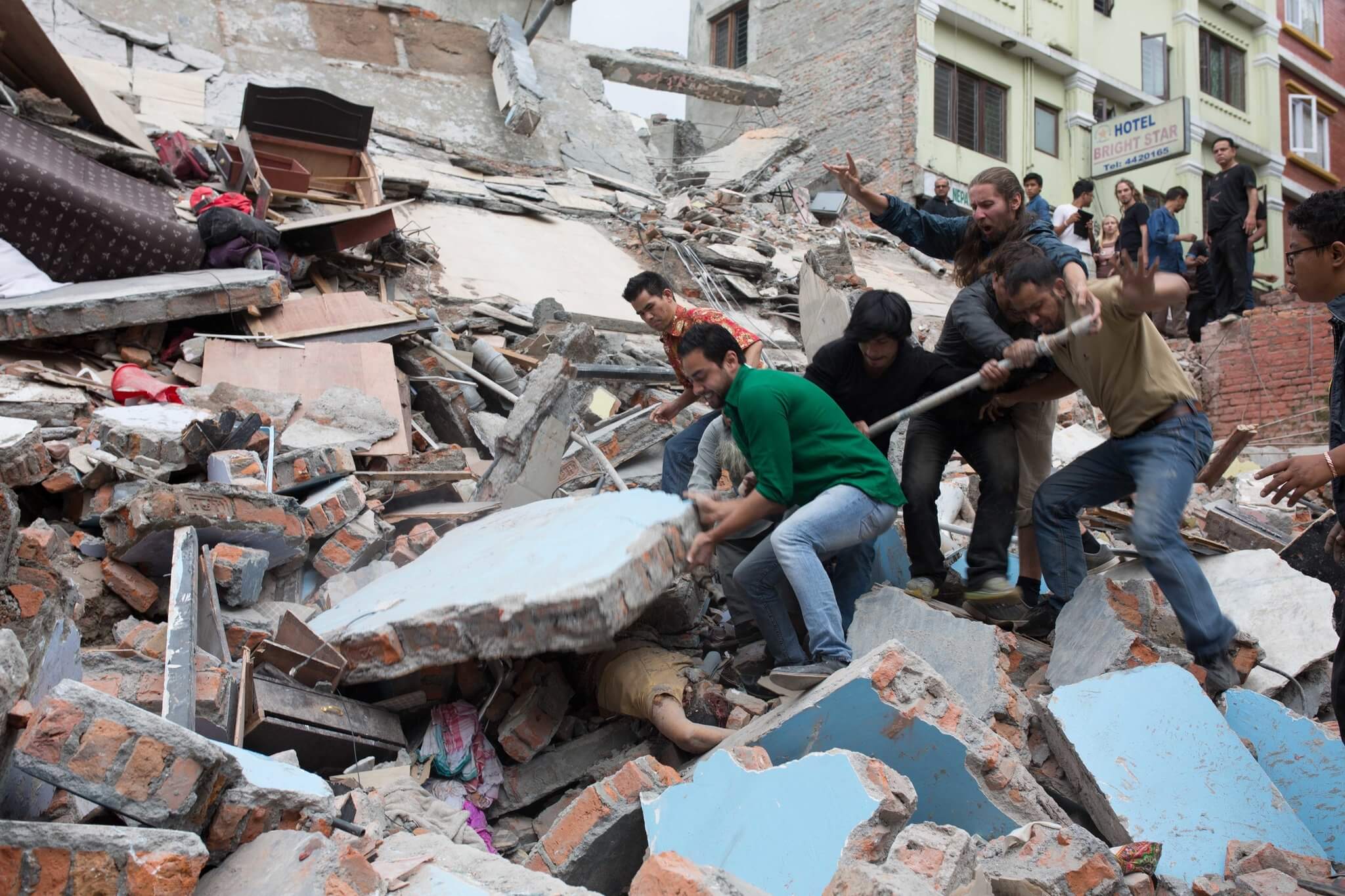
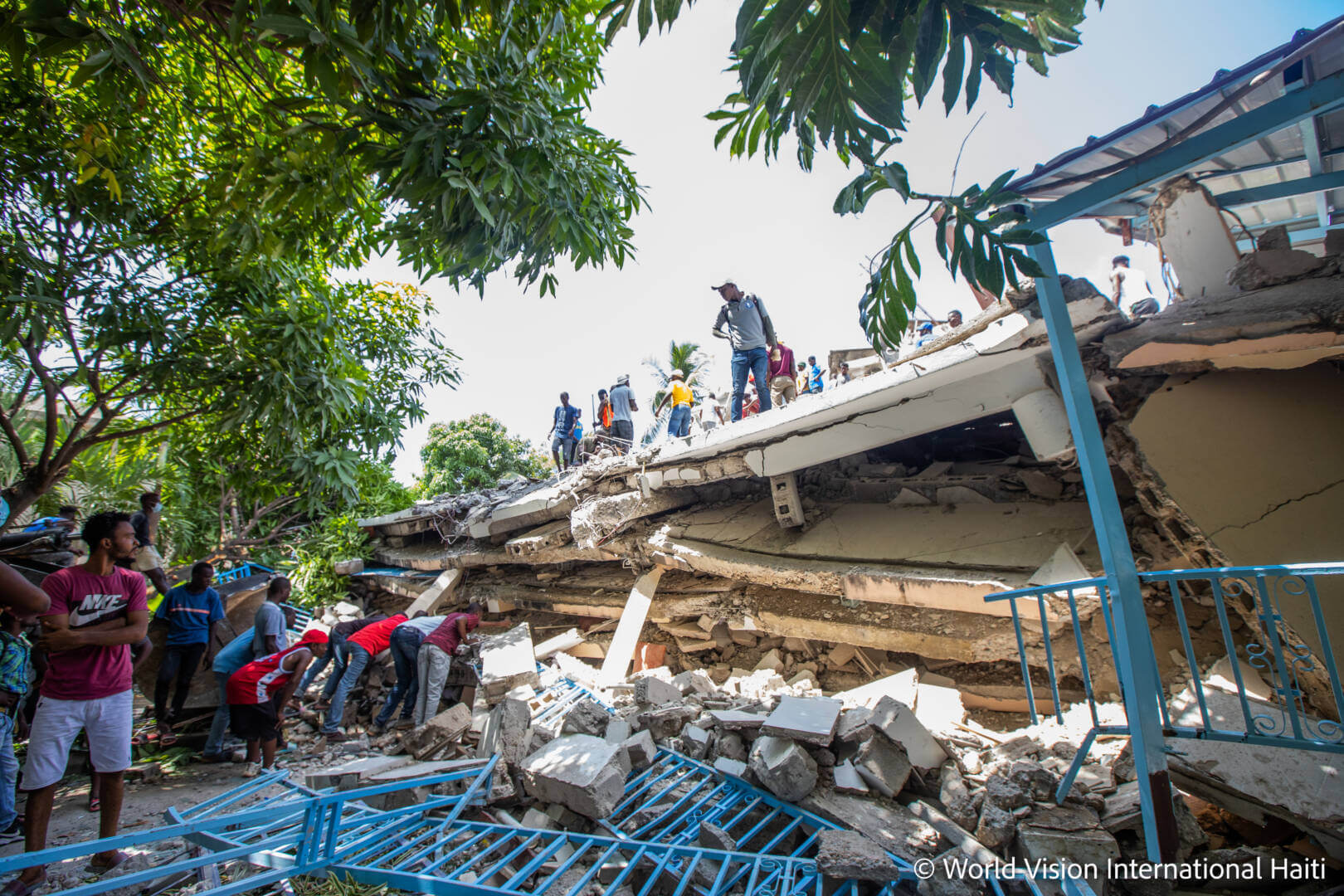
A magnitude 7.2 earthquake violently shook Haiti on Saturday morning. The earthquake reportedly occurred due to a fault in a transform plate boundary that separates the Caribbean Plate from the Gonave Microplate. As The New York Times reports, “The quake overwhelmed hospitals, flattened buildings and trapped people under rubble in at least two cities in the western part of the country’s southern peninsula.”
According to the Haitian Civil Protection Agency, at least 7,000 or more homes were destroyed, and 5,000 others were damaged. As of the time of writing this, a total of 1,419 people have lost their lives to the disaster. In addition to the deaths, at least 6,000 people have been injured, and many more people are missing. It is currently the deadliest earthquake and deadliest natural disaster of 2021.
Read more: Tristin Mays biography: MacGyver, boyfriend, net worth, instagram, social media.
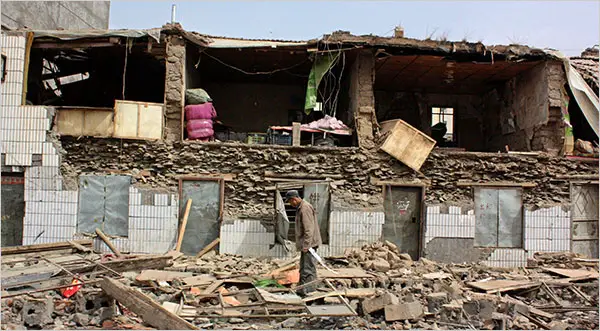
8. 2010 Yushu earthquake (2,698 deaths)
The 2010 Yushu earthquake struck on 14 April and had a magnitude of 6.9. According to reports, the quake, which originated in Yushu, Qinghai, China, killed 2,698 people, left 270 missing and 12,135 injured, 1,434 of them severely. Among the damaged community buildings was the 12th century Thrangu Monastery and surrounding villages. This led to the deaths of many monks and villagers. Also, At least 11 schools were destroyed in the earthquake.
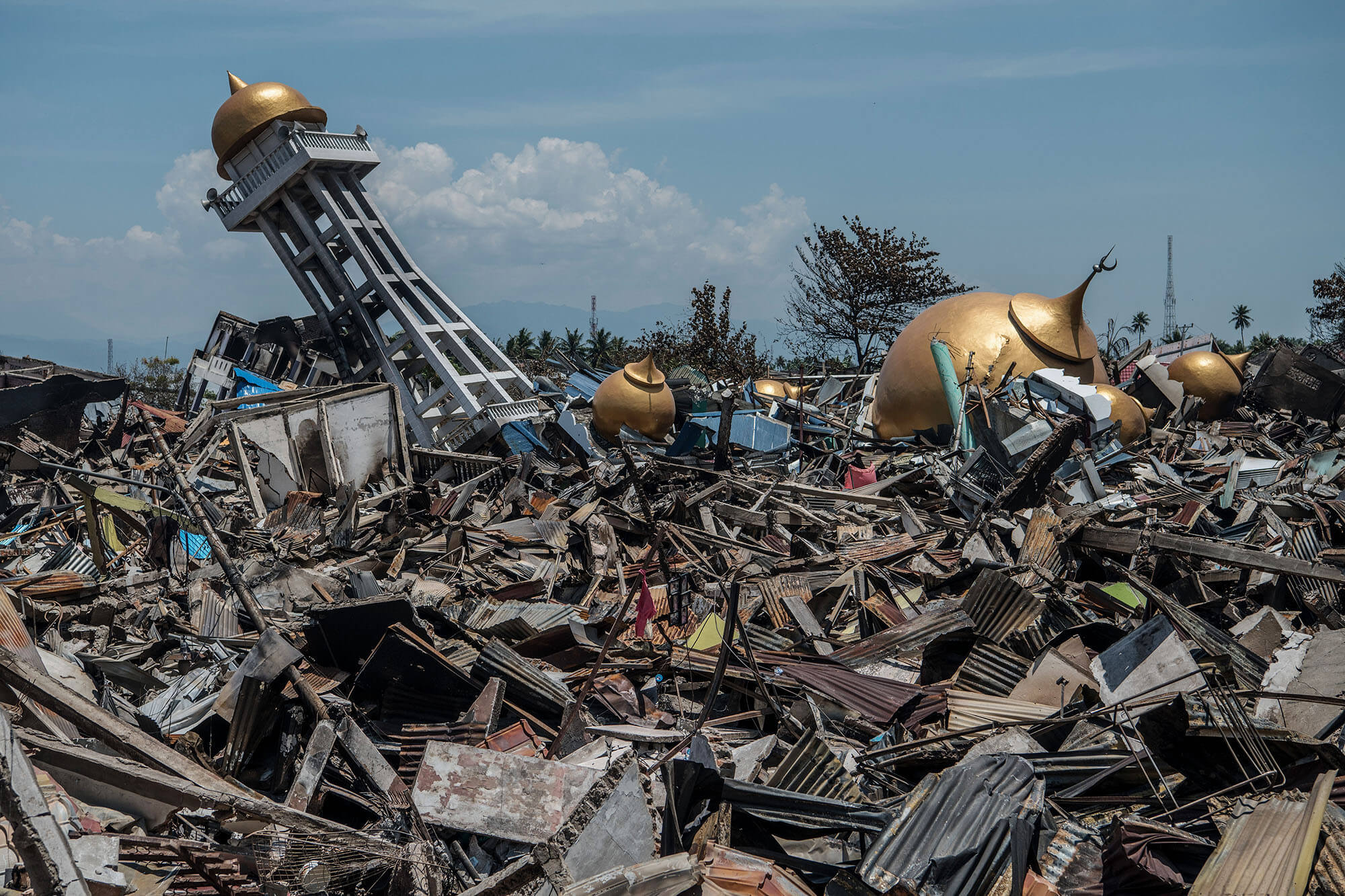
7. 2018 Sulawesi earthquake and tsunami (4,340 deaths)
On 28 September 2018, a shallow, large magnitude 7.5 earthquake struck in the neck of the Minahasa Peninsula, Indonesia, with its epicentre located in the mountainous Donggala Regency, Central Sulawesi. A sequence of foreshocks preceded this event. The combined effects of the earthquake and tsunami led to an estimated 4,340 death, and a 6.1-magnitude tremor occurred earlier that day. More than 70,000 houses were reported to be damaged, forcing tens of thousands of people to live in shelters and tents. It was the deadliest earthquake worldwide in 2018.
Following the quakes, a tsunami warning was issued in Palu and Donggala. The residents of both places were told to expect tsunamis with heights of less than 0.5 metres and 0.5 to 3 metres, respectively. The tsunami, however, struck higher than expected. Residents of Palu reported waves with heights of more than 2 metres, while several others stated that the waves managed to reach the second floor.