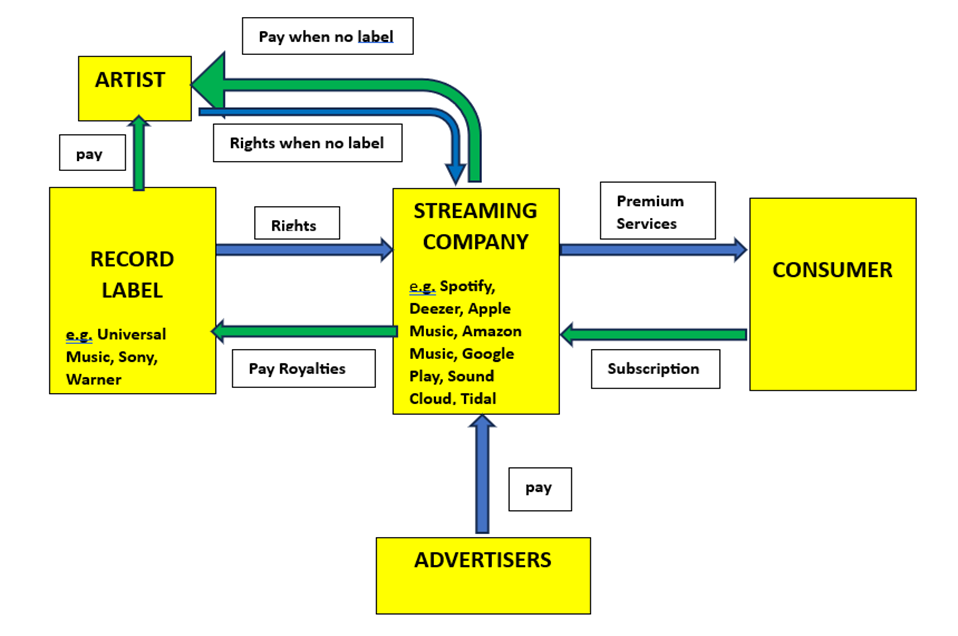
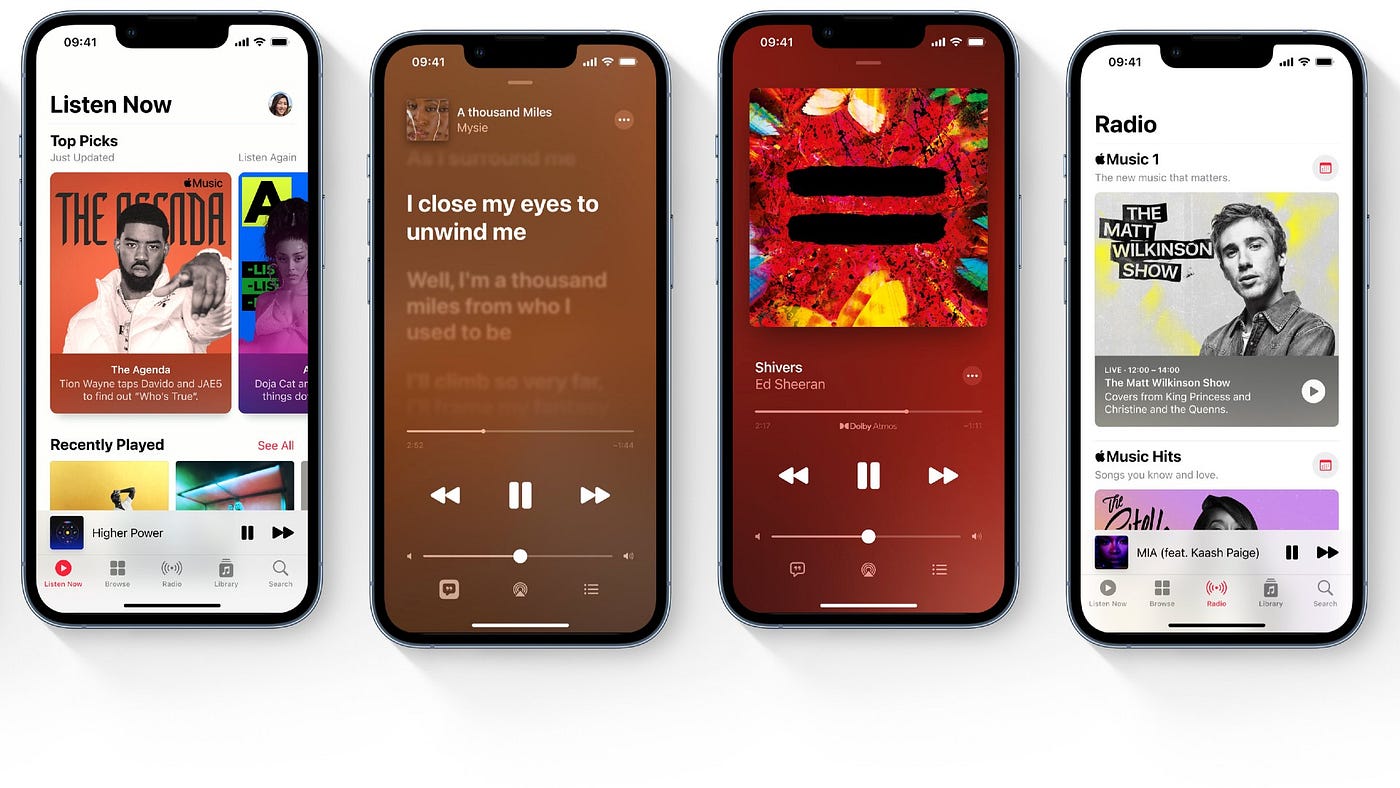
The music industry has always been competitive, but today’s landscape presents challenges that would have seemed impossible just a decade ago. Every single day, more than 100,000 new songs flood streaming platforms like Spotify, Apple Music, and YouTube Music, creating an unprecedented saturation that’s fundamentally changing how artists, labels, and listeners navigate the musical ecosystem. This staggering figure, reported by industry data firm Luminate, represents more than just numbers - it’s a seismic shift that’s forcing everyone from bedroom producers to major record labels to completely rethink their strategies for success in the digital age.
The Numbers Game: Understanding Today’s Upload Reality
To put the scale of today’s music uploads into perspective, consider that 100,000 songs per day translates to over 36 million new tracks annually hitting streaming platforms. This means that in just one year, the music world sees more releases than existed in the entire recorded music catalog for most of human history. The democratization of music production and distribution tools has removed traditional gatekeepers, allowing anyone with a laptop and internet connection to release music globally. While this represents an incredible creative revolution, it also creates what industry experts are calling a “discoverability crisis” that affects everyone from emerging artists to established stars.
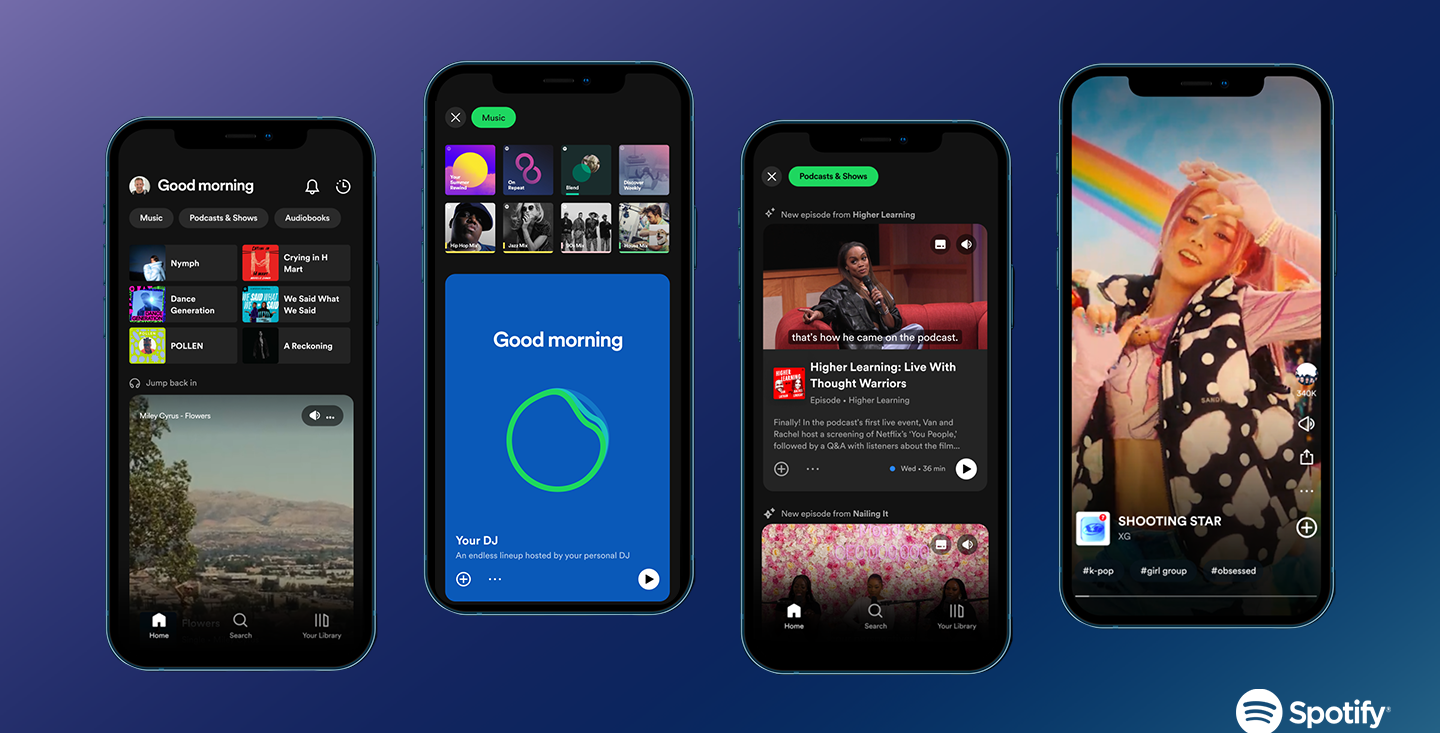
Image: Spotify Newsroom
The mathematics of attention become stark when you consider that even if every person on Earth listened to music for 24 hours straight, they couldn’t consume all the new releases from a single day. This reality has transformed the music industry from a scarcity-based economy, where limited radio slots and record store shelf space determined success, to an attention-based economy where cutting through the noise has become the primary challenge. Streaming platforms have responded by investing billions in algorithmic recommendation systems, but even the most sophisticated AI struggles to meaningfully surface content from such an enormous pool of options.
The Artist’s Dilemma: Fighting for Attention in a Crowded Space
For today’s artists, the promise of unlimited distribution has come with unexpected complications that extend far beyond simply making great music. Independent musicians who once celebrated the removal of traditional industry gatekeepers now find themselves competing not just with major label releases, but with an endless stream of content from millions of other creators worldwide. The result is a paradox where it’s easier than ever to release music but harder than ever to build a sustainable career from it. Many artists report feeling pressure to constantly release new content just to maintain visibility, leading to concerns about artistic quality and creative burnout.
Image: Berklee College of Music
The oversaturation phenomenon has also fundamentally altered the economics of music streaming. With millions of tracks competing for streams, the average payout per song has decreased dramatically, forcing artists to think beyond traditional revenue models. Successful musicians today often function as multimedia entrepreneurs, combining music releases with merchandise, live performances, brand partnerships, and direct fan engagement through platforms like Patreon or Bandcamp. This shift requires skills that go far beyond songwriting and performance, creating additional barriers for artists who simply want to focus on their craft.
Ad SpaceIn-Article - 300x250
Advertisement
Global Sounds, Local Struggles: How Oversaturation Affects Emerging Markets
The oversaturation challenge takes on unique dimensions when viewed through the lens of emerging music markets, particularly in Africa where genres like Afrobeats, Amapiano, and Afro-fusion have gained global recognition in recent years. While artists like Burna Boy, Wizkid, and Tems have successfully broken through to international audiences, countless talented musicians from across the continent struggle to gain visibility in an increasingly crowded digital landscape. The algorithm-driven nature of streaming platforms often favors content that already has momentum, creating a challenging environment for artists from regions with developing digital infrastructure.
Image: CNN
African artists face the additional challenge of competing in a global marketplace while often lacking access to the same promotional resources and industry connections available to artists in major music markets like the United States and United Kingdom. The oversaturation problem is compounded by language barriers and cultural specificity that can limit the algorithmic reach of non-English content. However, the success stories that do emerge often demonstrate the power of authentic cultural expression to cut through digital noise, suggesting that uniqueness and cultural authenticity may become increasingly valuable assets in an oversaturated market.
Industry Response: How Platforms and Labels Are Adapting
Streaming platforms have recognized the oversaturation challenge and are investing heavily in solutions that go beyond traditional algorithmic recommendations. Spotify has introduced features like Spotify Wrapped and personalized playlists that help users navigate the vast catalog, while also creating programs specifically designed to support emerging artists through initiatives like Fresh Finds and RADAR. Apple Music has focused on human curation, employing music experts worldwide to create culturally relevant playlists and highlight regional talent that might otherwise get lost in the algorithmic shuffle.
Image: Medium
Record labels, both major and independent, are also adapting their strategies to address the new reality of music oversaturation. Rather than simply focusing on traditional promotion methods, labels are increasingly investing in data analytics, social media marketing, and direct-to-fan engagement strategies. Many have also shifted toward more selective signing practices, recognizing that in an oversaturated market, their role as curators and amplifiers becomes even more valuable. The most successful labels are those that can effectively combine the artist development expertise of the traditional music industry with the digital marketing savvy required to succeed in today’s landscape.
The Road Ahead: What This Means for Music’s Future
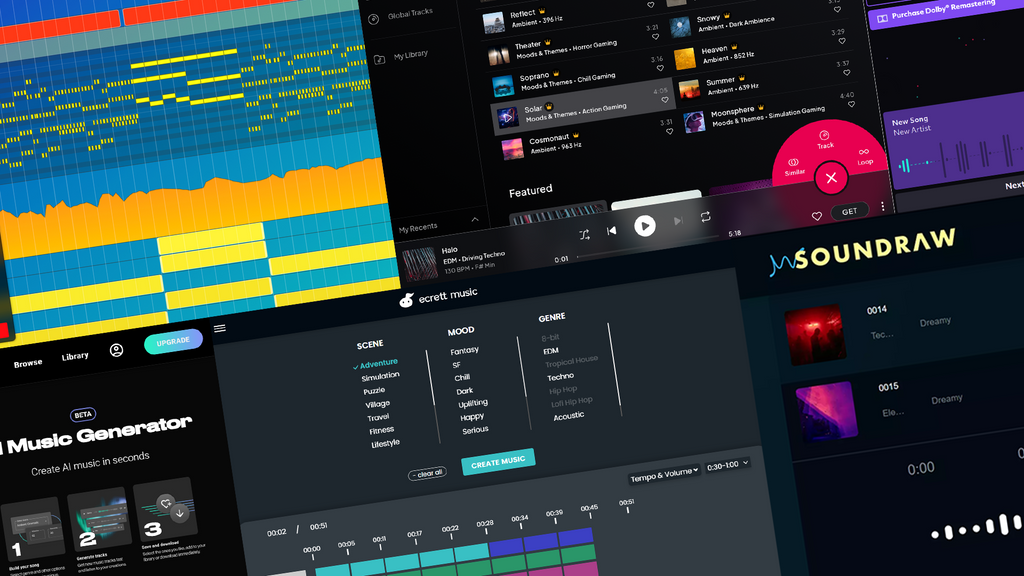
Looking toward the future, industry experts predict that music oversaturation will continue to accelerate, potentially reaching 200,000 daily uploads within the next few years as AI-powered music creation tools become more sophisticated and accessible. This trajectory suggests that the current challenges around discoverability and artist sustainability will only intensify, forcing the industry to develop new models for connecting creators with audiences. Some predict a return to more curated, human-driven discovery methods, while others believe that advancing AI technology will eventually solve the recommendation problem more effectively.
Image: Production Music Live
The oversaturation phenomenon may ultimately lead to a more stratified music industry, where a small percentage of artists achieve massive global success while the majority operate in smaller, more niche communities built around direct fan relationships. This model could actually benefit many musicians by allowing them to build sustainable careers serving specific audiences rather than competing for mass market attention. Regardless of how the industry evolves, one thing remains certain: the era of music scarcity is over, and success in tomorrow’s music industry will depend on adaptability, authenticity, and the ability to build genuine connections with listeners in an increasingly noisy digital world.
Ad SpaceIn-Article - 300x250
Advertisement
Share
Get the recap
Loved this story? Get more like it.
Join readers who get our weekly entertainment recap - the stories worth your time, delivered every Friday.
No spam. Unsubscribe anytime. By signing up you agree to our Privacy Policy.